U.S. Navy Commissions Nuclear-Powered Attack Submarine USS Massachusetts in Boston
The Navy's 25th Virginia-class boat, USS Massachusetts, commissioned in Boston with a reactor designed for 33 years without refueling - eliminating a costly mid-life overhaul from its lifecycle.
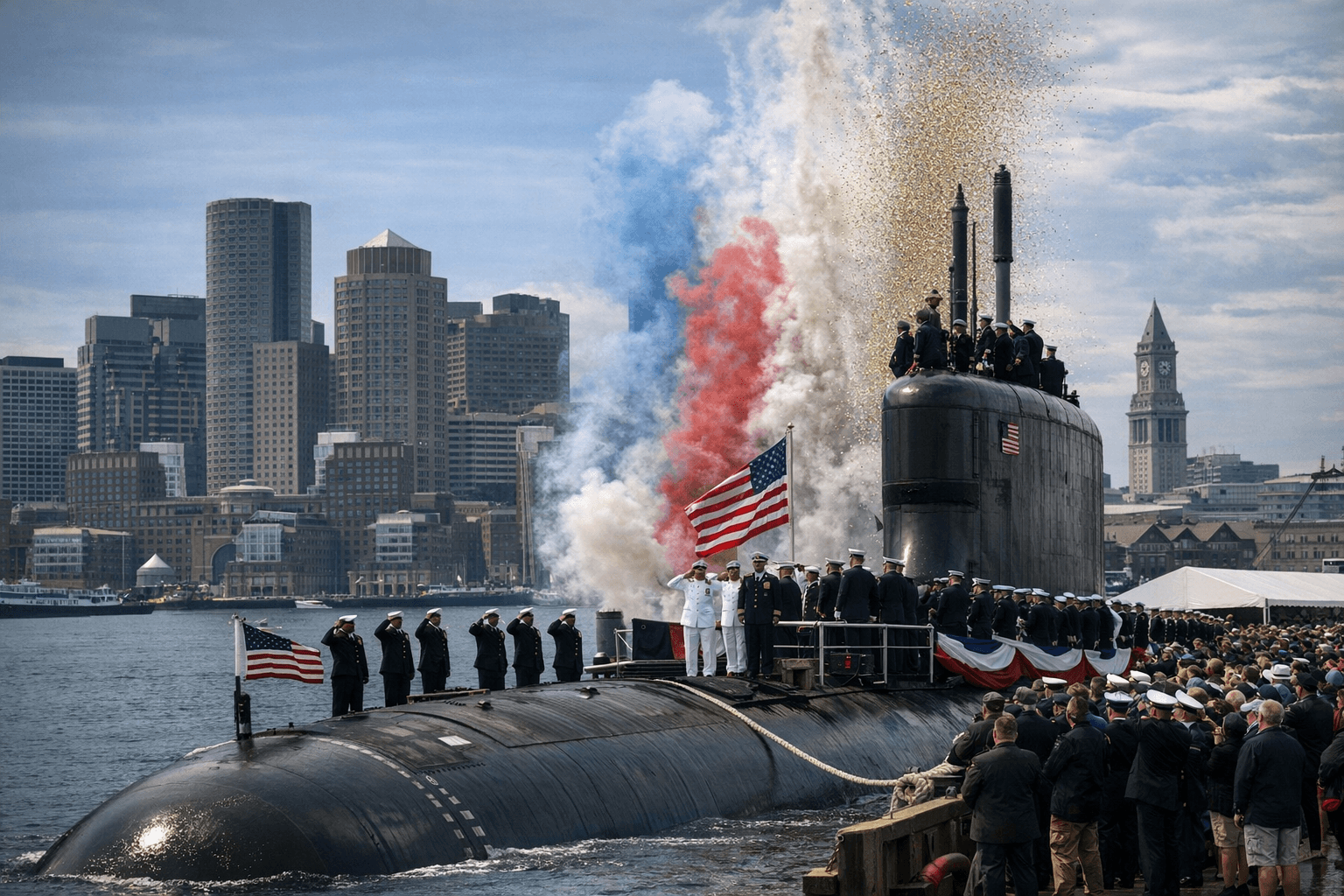
General Dynamics Electric Boat and HII's Newport News Shipbuilding have now delivered the seventh of ten Block IV attack submarines covered under a $17.6 billion contract, the most expensive single shipbuilding award in U.S. history. USS Massachusetts (SSN-798), a Virginia-class nuclear-powered fast-attack submarine, was commissioned March 28 at the Conley Terminal in South Boston, putting the Navy's 25th Virginia-class boat into active service as the program marches toward its delivery goals under sustained workforce and supply chain pressure.
The industrial architecture behind SSN-798 reflects a deliberate two-yard strategy. Newport News built the hull, torpedo room, sail, and bow while Electric Boat handled the engine room and control room, with Newport News conducting final assembly, testing, and delivery. The same split kept both yards employed through the entirety of Block IV procurement and is the structural reason the U.S. can sustain anything approaching two Virginia-class boats per year.
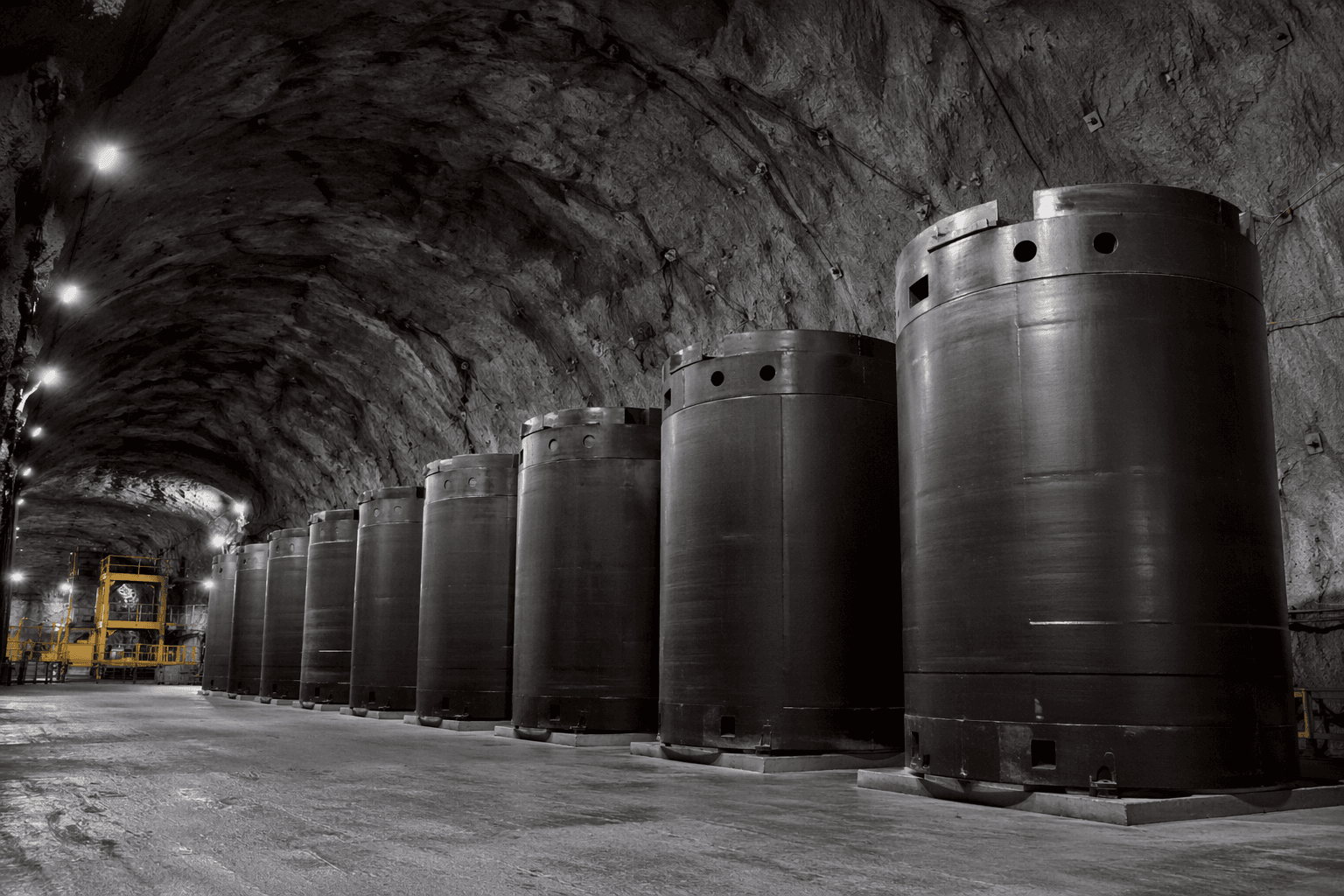
At the center of the budget argument is a reactor that rewrites the maintenance calculus for the Navy's entire undersea fleet. The S9G pressurized water reactor powering SSN-798 generates 40,000 shaft horsepower through a core engineered to last 33 years without refueling, with nuclear fuel manufactured by BWX Technologies. Earlier generations of attack submarines required a mid-life refueling overhaul: years in a specialized drydock, a shipyard crew handling radioactive fuel transfers, and a boat sidelined from operational service. The S9G eliminates that event entirely, which means Massachusetts goes from commissioning to decommissioning without ever returning to a shipyard for reactor work.
Block IV layers additional readiness math on top of that. The variant was specifically designed to reduce major maintenance periods from four to three over its 33-year service life, translating to 15 operational deployments per hull instead of 14. One extra deployment looks modest in isolation; across all ten Block IV boats, it represents meaningful aggregate availability for a fleet that is perpetually stretched.
Adm. William Houston, director of Naval Reactors, addressed the crew after the colors were hoisted: "Massachusetts is playing an incredible role in our security. Your crew represents the best that our Navy and our nation has. You train relentlessly to bring this warship to life and earned the trust placed on you."
The ceremony drew an extraordinary visual backdrop: USS Constitution was underway in the harbor behind SSN-798 during the commissioning, a juxtaposition that tied the event to the Navy's 250th anniversary. Three Medal of Honor recipients attended: Thomas G. Kelley, Thomas Payne, and Ryan M. Pitts. Ship sponsor Sheryl Sandberg gave the traditional order to bring the submarine into service. Other speakers included David Denton, general counsel of the Navy, who delivered the principal address, alongside Massachusetts Gov. Maura Healey, Rep. Seth Moulton, and Kari Wilkinson, president of Newport News Shipbuilding.
Commanding officer Cmdr. Michael Siedsma addressed his crew directly: "To the crew, the plankowners, the Iron Patriots of the USS Massachusetts, we did it."
SSN-798 is equipped with 12 vertical launch system tubes for Tomahawk cruise missiles and four 533mm torpedo tubes for Mk 48 ADCAP torpedoes, giving its approximately 147 sailors a precision strike and anti-submarine warfare platform suited for the contested maritime environments the Navy now prioritizes. The keel was laid December 11, 2020, and the boat was christened May 6, 2023, at Newport News Shipbuilding before completing sea trials.
The Navy is already moving to the next iteration. In Fiscal Year 2025, the service announced procurement of three Block VI submarines as part of a planned nine to ten units, with Electric Boat receiving a $1.3 billion contract for long lead materials. Massachusetts enters service as the program is compounding design generations, each calculated to extract more operational time from every dollar invested in nuclear propulsion.
This article was produced by Prism’s automated news system from verified source data, official records, and press releases, then run through automated quality and moderation checks before publishing. The system is built and supervised by the people who set the standards it runs under. Read our full AI policy.
Did this article answer your question?