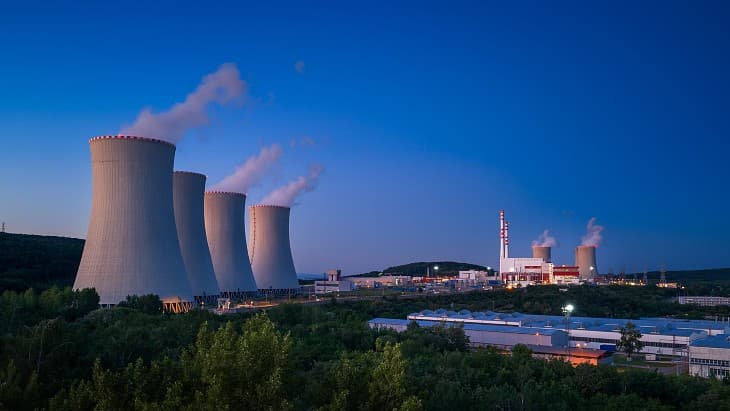
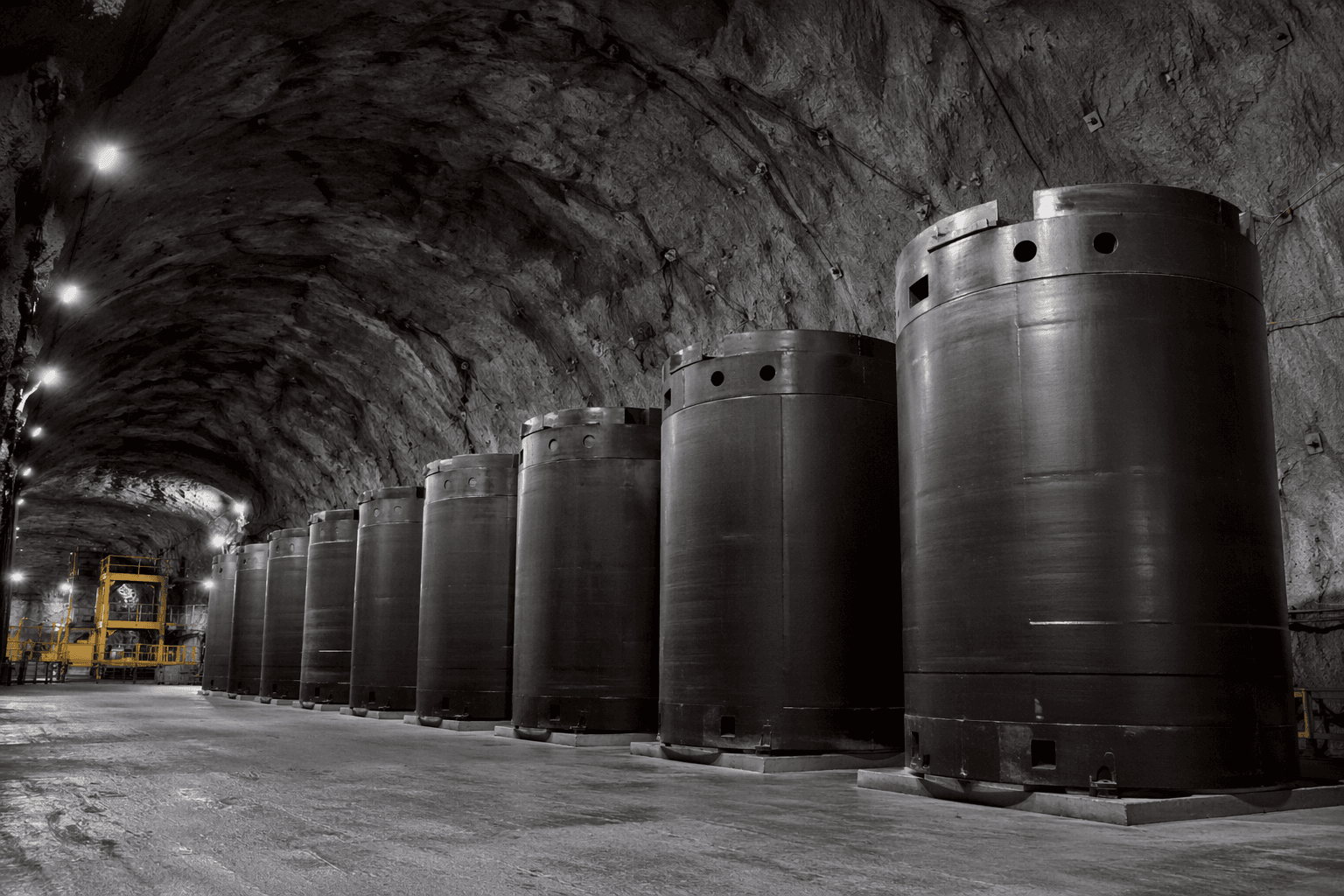
Zeeland Eyes Nuclear Hotspot Role in New Reactor Build
Roughly 15% of a new plant’s cost could stay in Zeeland, but only if local firms clear nuclear-grade hurdles and turn Borssele into a real supply hub.
_89551.jpg&w=1920&q=75)
The first money lands in concrete, not reactor hardware
Roughly 15% of the total plant cost could stay local if Zeeland gets this build right, and that is the number that changes the story. The Province of Zeeland-backed study puts direct economic value at €3.1 billion to €4.6 billion over a 12-year construction period, with another €1 billion in indirect economic potential for the regional business base. That is not a theoretical windfall. It is a map of where actual work, invoices and long-running industrial spillovers could concentrate around a new two-unit nuclear build.
The important part is that the upside is not spread evenly across the full project. The study says local involvement could range from about 2% during commissioning to as much as 48% in earthworks and site clearance. In plain terms, the first big wins are not in the reactor island. They are in the messy, expensive opening phase where roads, ground works, logistics and site preparation chew through money fast.
Who in the Dutch economy can actually capture it
The study identifies 130 Zeeland businesses that could potentially supply nuclear projects, and most of them sit in tiers 3-4 of the supply chain. That matters because it tells you where the realistic entry points are: not in the headline-grabbing reactor systems, but in the layers beneath them where subcontracting, materials, transport and specialist site work do the heavy lifting.
The strongest opportunities are in construction, infrastructure, and transport and logistics. That lines up with the phases where local content is highest, especially early construction, site clearance and landscaping. If you want the short version, the money follows earthmoving equipment, civil works crews, heavy haulage, road access, fencing, drainage and the kind of industrial services that can be mobilized quickly and held to tight schedules.
This is also why the 15% figure is so useful. It is big enough to matter to Zeeland’s economy, but small enough to be believable. The study does not pretend the province will suddenly build reactor vessels or replace international vendors. What it does say is that a serious slice of the build can be captured by firms that are already close to infrastructure, logistics and regulated industrial work, provided they can clear the nuclear bar.
What stays on paper unless suppliers level up
The study is careful about one major caveat: the actual order size will depend heavily on the technology vendor chosen. It also compares the Zeeland estimate with regional contract values seen at Hinkley Point C, which is a sensible reminder that a nuclear build is not a generic construction site with a fancier fence. Vendor selection shapes procurement, contracting structure and which capabilities get pulled into the project.
That is why nuclear-grade quality standards and certification requirements are the real bottleneck. Zeeland may have 130 potential suppliers on paper, but the winners will be the firms that can prove traceability, consistency and compliance under nuclear rules, not just firms that can quote a good price. The study’s economic range is a first estimate based on the best available data and assumptions, so it should be treated as a ceiling for opportunity, not a guarantee of contracts.
The practical translation is simple: local firms that already operate in tightly controlled industrial environments have a shot. Companies that only know general construction or one-off subcontracting will need help moving up the standard. Without that, the value leaks to outside suppliers, and Zeeland becomes the host location rather than the regional beneficiary.
Why Zeeland keeps coming back to the center of the map
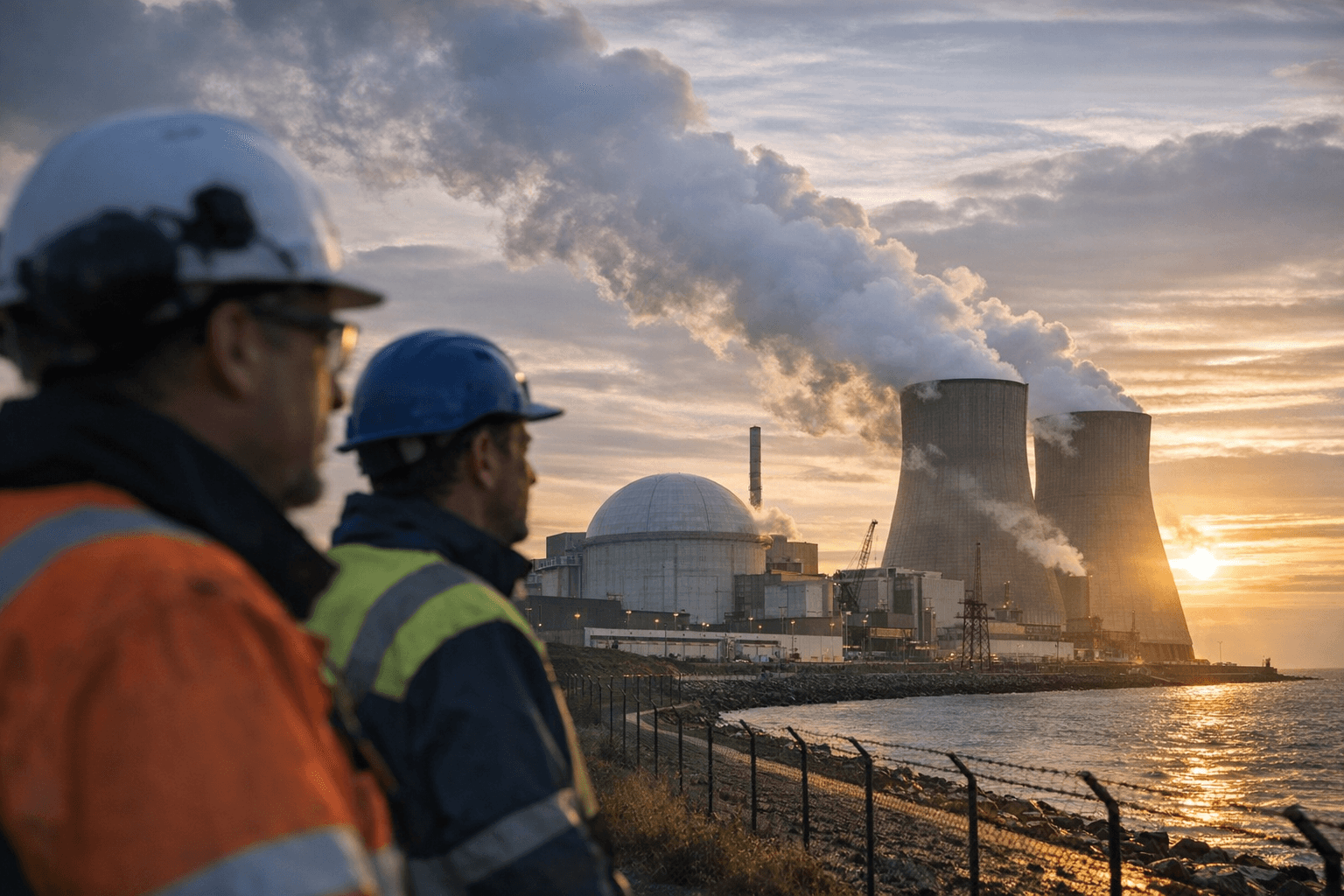
The Dutch nuclear picture is changing in a way that makes Zeeland hard to ignore. The Netherlands has one operating reactor, Borssele, which first connected to the grid in July 1973. After reversing its phase-out position in 2021, the Dutch government is now planning up to four new large nuclear units. That policy shift is what turned a local industrial wish list into a national siting question.
Borssele in Zeeland has been the preferred location for two new Generation III+ reactors since a ministerial letter dated 9 December 2022. The project procedure formally moved forward when a Notification of Intention and Participation was published on 22 February 2024. The original target was operation from 2035, but later reporting said that timeline had slipped and a site decision was no longer expected by the second quarter of 2025. For Zeeland, those shifts matter because supply chains do not assemble themselves. Every delay changes who hires, who trains and who invests.
The education play is just as important as the industrial one
Zeeland is not just trying to host a plant. It is trying to build the skills base that makes a nuclear cluster stick. The Nuclear Academy was launched in 2023 to build an ecosystem for nuclear education and training, and that effort was reinforced on 9 September 2025 when a letter of intent was signed for an ambitious Education and Knowledge Centre for applied nuclear energy technology in Zeeland.
The lineup behind that center is telling: HZ University of Applied Sciences, Stichting Scalda, Delft University of Technology, NRG Pallas, the Nuclear Academy, COVRA, EPZ, Urenco Nederland, Nucleair Nederland, the Province of Zeeland and Impuls Zeeland. That is a serious mix of education, fuel-cycle know-how, waste management, plant operations and regional development muscle. It signals that the province understands the real constraint is not just capital, but people who can work to nuclear standards.
This is also where the political upside becomes economic reality. If Zeeland can connect education pipelines to industrial demand, the supply chain is more likely to hold onto local contracts instead of importing expertise from elsewhere in the Netherlands or abroad. That is how a one-off mega-project turns into a long-term labor and training engine.
The local deal still depends on local conditions
Zeeland has already drawn a line around what it will and will not accept. The province has demanded strict conditions for any new nuclear build at Borssele, including preserving the Sloerand green zone and avoiding new high-voltage pylons. Regional stakeholders have also stressed that agreements with the state on living-environment preconditions will be crucial.
That is the real test for Sophie Hermans and the Dutch government’s broader nuclear push. If hosting conditions are settled in a way that protects the local landscape while giving suppliers, schools and industrial partners room to commit, Zeeland can plausibly become the country’s nuclear hotspot. If those conditions are left vague, the province may still host the reactors, but the value creation will be thinner, the local capture weaker and the promised industrial lift much harder to prove.
This article was produced by Prism’s automated news system from verified source data, official records, and press releases, then run through automated quality and moderation checks before publishing. The system is built and supervised by the people who set the standards it runs under. Read our full AI policy.
Did this article answer your question?