Cockatoo Objects Loudly as Rescued Eclectus Joins the Family
Sweet Pea’s protest was pure cockatoo theater. The real lesson is that Ruby’s arrival needed quarantine, distance, and patience.
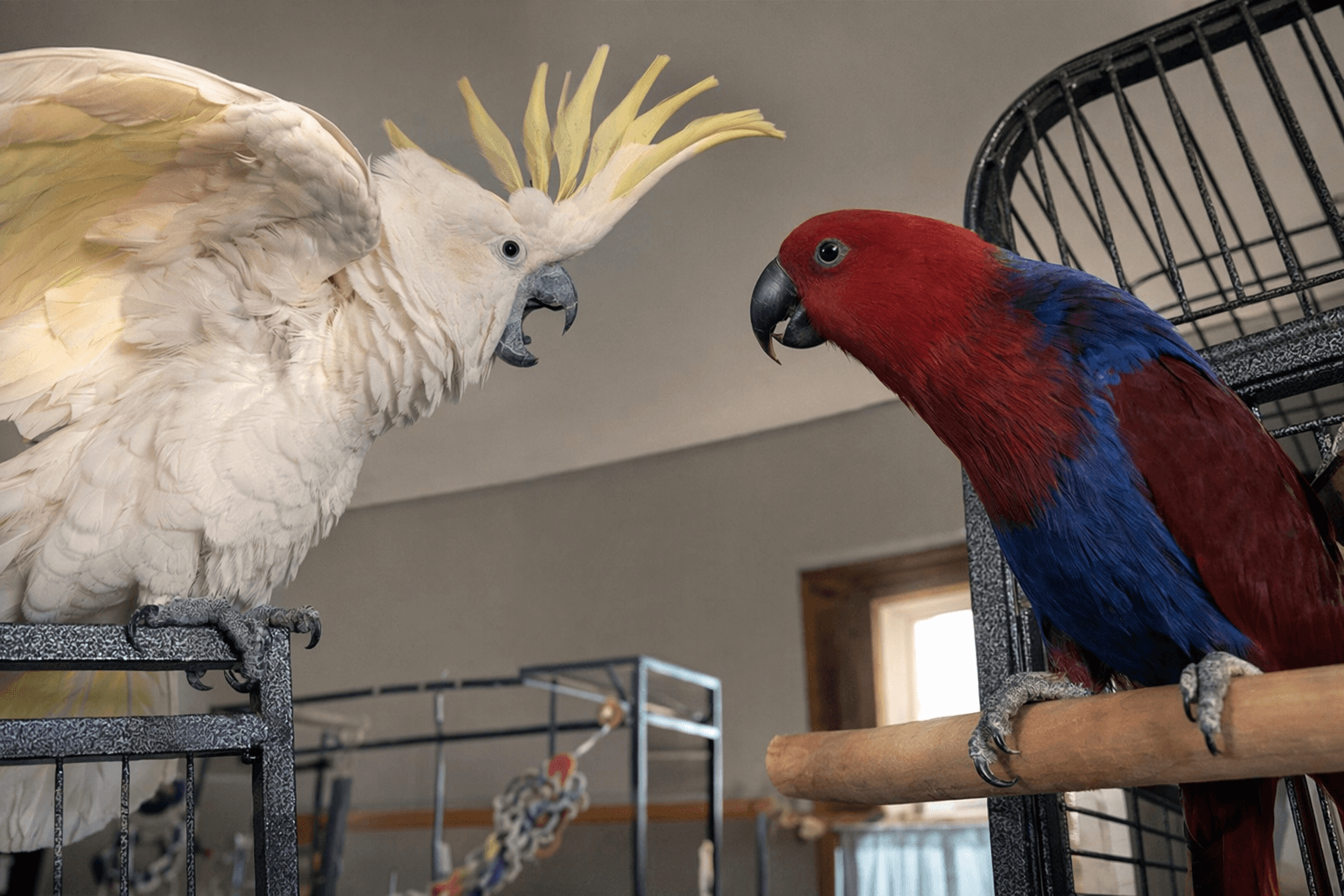
Sweet Pea did not welcome Ruby with grace. The cockatoo’s noisy objection to a new household bird was the kind of full-volume protest parrot people know well, especially in a home where Wendy was making room for a rescued Eclectus after losing one of her other birds.
That detail is what makes the scene land. Sweet Pea already has several siblings and is especially attached to Copper, a Labrador Retriever, so Ruby was never walking into a quiet, neutral space. She was entering an established flock with loyalties, territory, and a bird who clearly had opinions about the new arrangement. Cockatoos are flock-oriented and social, but that does not mean every individual bird is ready to share space on day one. Sweet Pea’s attitude was funny, but it was also believable.
The smarter takeaway is that bird introductions should never be rushed. VCA Animal Hospitals advises that every new bird get checked by an avian veterinarian before any contact with existing birds. The same guidance calls for a separate, isolated room for quarantine for 30 to 45 days, because new arrivals can carry diseases such as chlamydia, salmonella, polyomavirus, and psittacine beak and feather disease. The Association of Avian Veterinarians also recommends a prompt medical exam for newly acquired birds and quarantine before they join an existing flock.
After quarantine, the next step is not to throw the cages together and hope for the best. VCA recommends placing the cages in the same room, but apart, then moving them closer over days to weeks before any supervised face-to-face introduction. That slow approach matters because the new bird is stepping into the resident bird’s territory. A loud response from Sweet Pea does not automatically mean failure. It often means the birds need more time, more structure, and less pressure.
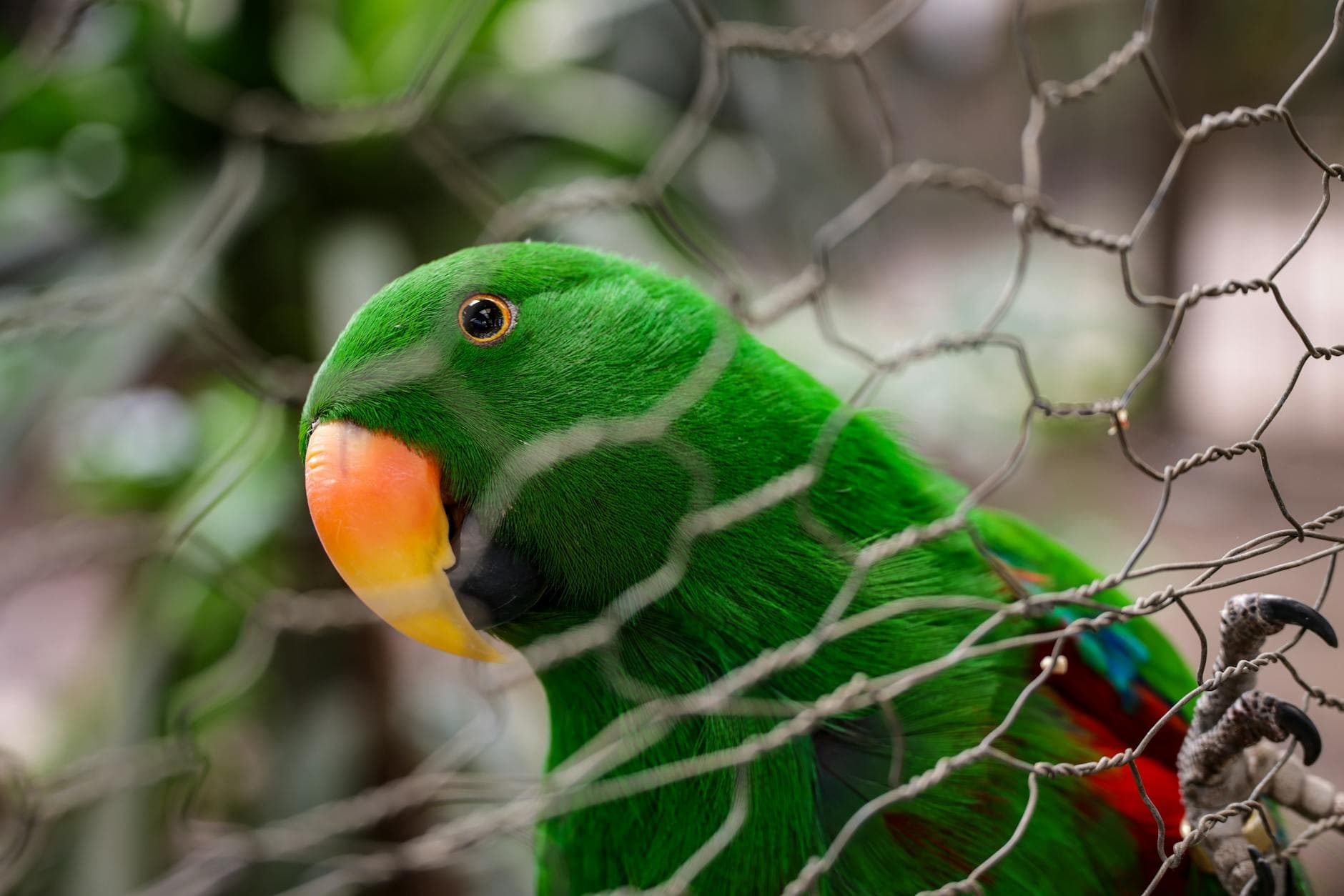
The other hard truth is that some birds never fully acclimate. VCA notes that some birds only tolerate each other, and that is still a workable outcome in many homes. Ruby’s arrival after Wendy lost another bird gives the story its sentimental weight, but the practical lesson is plain: rescue and companionship can coexist with jealousy, as long as the humans manage the transition with patience, health checks, and a strict eye on distance before closeness.
This article was produced by Prism’s automated news system from verified source data, official records, and press releases, then run through automated quality and moderation checks before publishing. The system is built and supervised by the people who set the standards it runs under. Read our full AI policy.
Did this article answer your question?