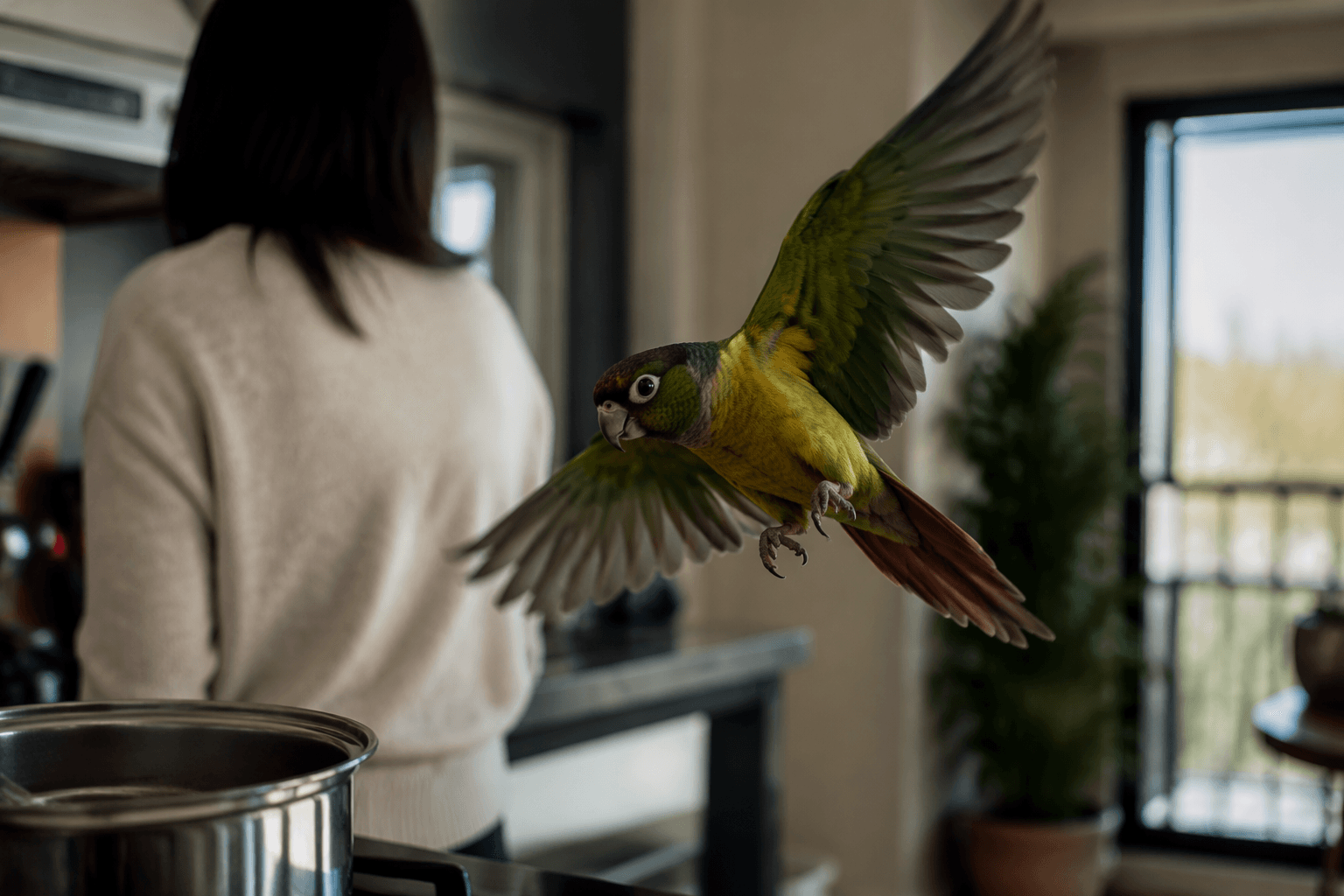
Mickaboo offers free bird care classes for adopters and beginners
Mickaboo makes bird care the first gate to adoption: a free Zoom class for adopters, fosters, and beginners, with make-up options and Spanish on request.
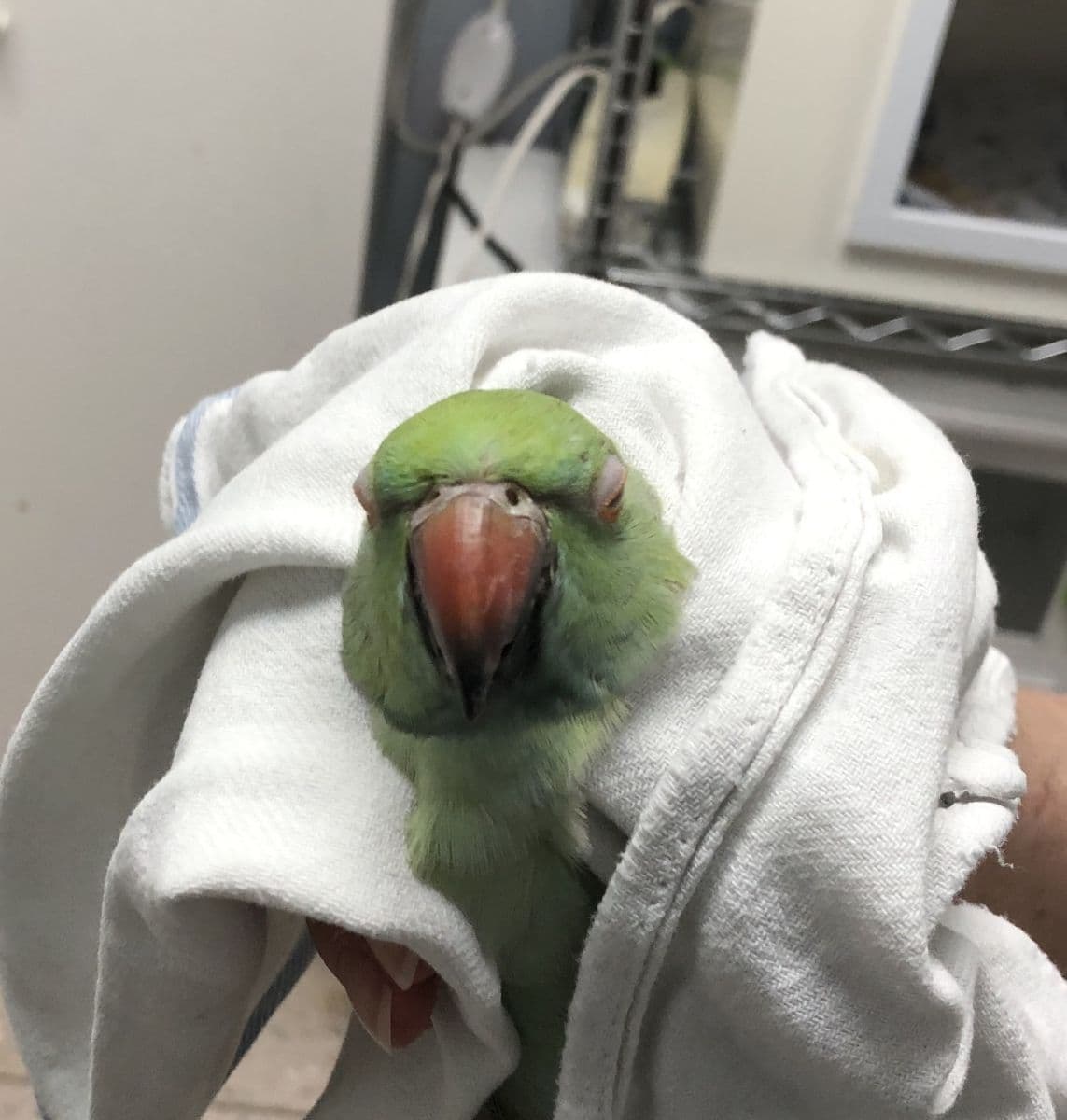
If you want a bird from Mickaboo Companion Bird Rescue, the first step is not paperwork. It is a free bird care class that the rescue requires before a bird ever leaves its care, and that alone tells you what the organization thinks matters most: readiness before romance.
The class is also open to anyone who wants to learn, which makes it more than an adoption hurdle. For beginners, it is a practical on-ramp. For experienced caregivers, it is a structured refresher that focuses on the kind of mistakes that turn into emergency vet visits, diet problems, or avoidable safety issues once a parrot is already in the home.
A class built around real-world bird care
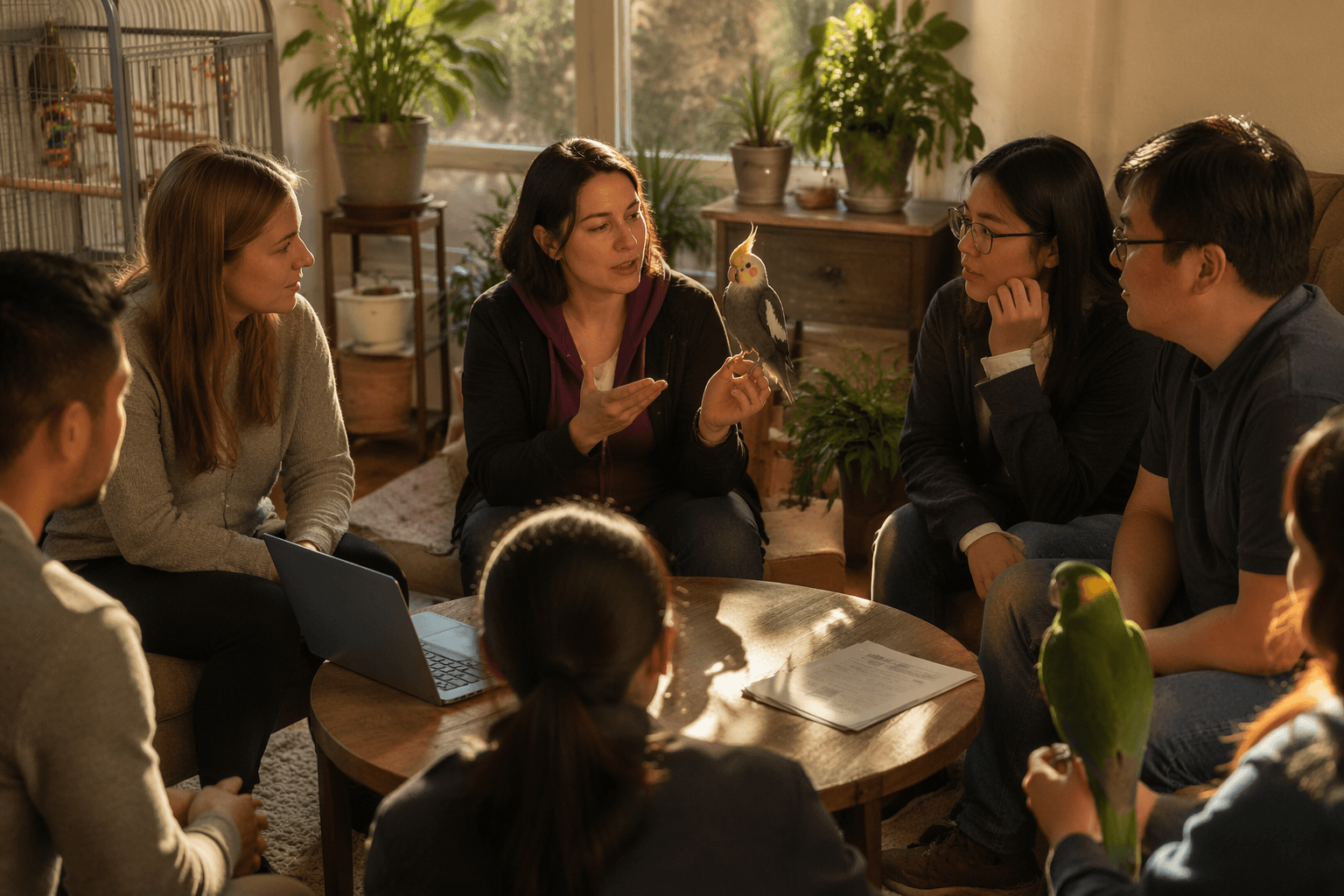
Mickaboo’s Basic Bird Care class is online through Zoom and runs every month on Saturdays or Sundays. The session lasts about three to three and a half hours, which is long enough to go beyond a casual intro without turning into an all-day seminar. That format matters for people who are serious about bringing a bird home, but still need something flexible enough to fit around work, family, and the rest of life.
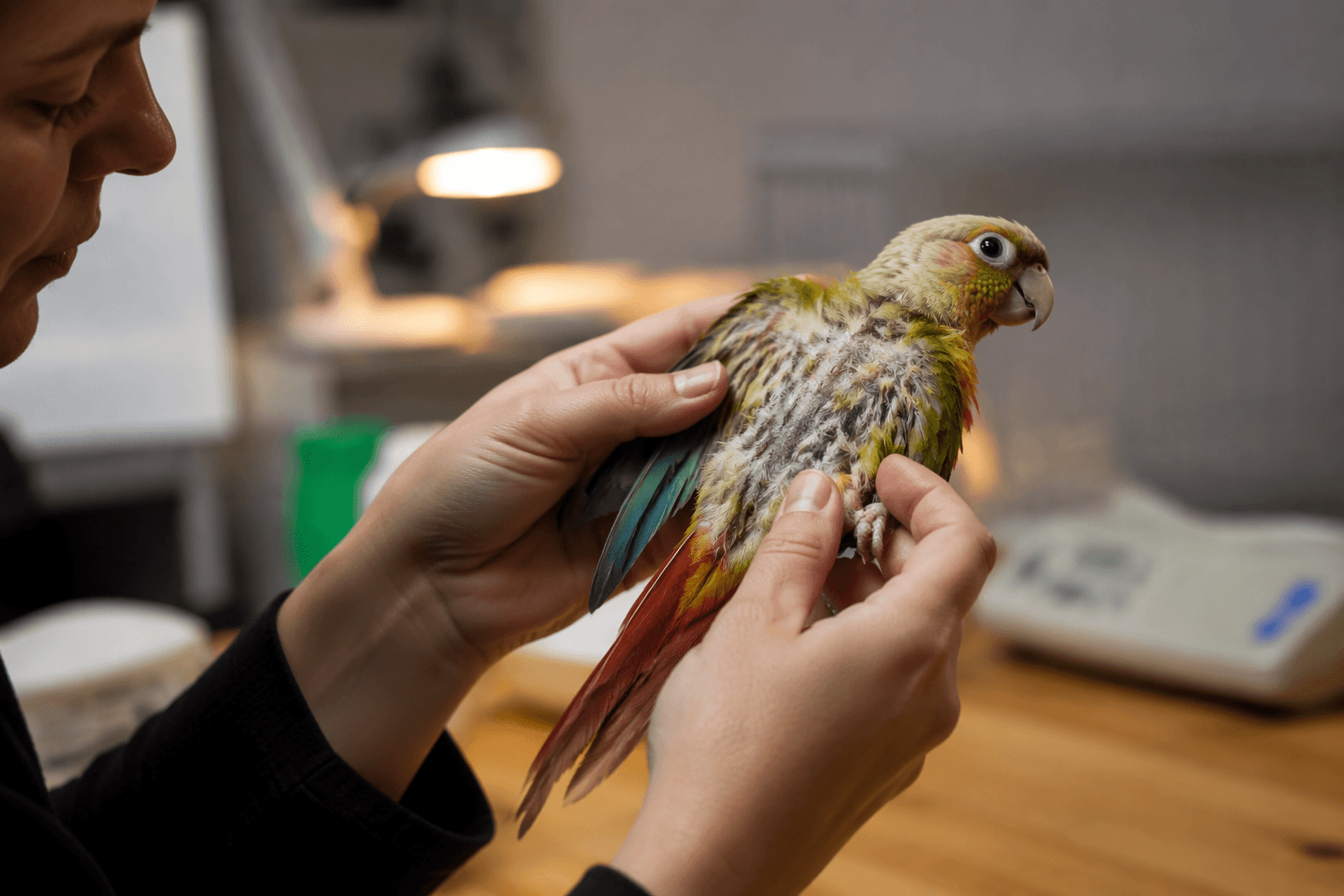
The curriculum is broad, but it is not vague. Mickaboo says the class covers proper avian care, proper avian diet, symptoms of illness and first aid, general husbandry, hazards, safety, and more. That is the right emphasis for a rescue audience, because the most common early errors with parrots are rarely dramatic in the moment. They are the quiet ones: an unbalanced diet, a dangerous household item left within reach, a warning sign missed because nobody knew what normal looked like.
The class also gives people a way to pace themselves. Participants can attend part of a session and return for future classes until they complete the full course. That is a smart move for bird people, because life with birds is rarely tidy, and a class that assumes perfect attendance misses the realities of actual caregivers.
Why Mickaboo treats education as part of adoption
Mickaboo does not treat the class as optional enrichment for would-be adopters. Prospective foster and adoptive parents must fill out an application, attend the bird care class, then move through the screening process that includes a phone screen and a home visit. The rescue says that structure helps ensure applicants understand avian nutrition, husbandry, safety, and the legal obligations tied to adoption.
There are also clear eligibility rules. Applicants must be at least 18 years old, and Mickaboo says no birds are adopted outside California. Foster applicants must live within a reasonable driving distance of the greater Bay Area or Sacramento area. Those limits are more than bureaucratic fine print. They tell you the rescue is working with birds that need local follow-up, practical oversight, and a placement network that can actually support the animal after the handoff.
The class sits at the center of that process because it screens for commitment and teaches baseline competence at the same time. A rescue that uses education this way is not just checking boxes. It is trying to keep birds out of homes that are unprepared for the reality of diet changes, enrichment needs, noise, time, and the special care birds demand.
How the class stays accessible
Mickaboo has also built flexibility into the class itself. If someone cannot make a scheduled session, they can email the class address to request an ad hoc phone class for smaller groups. The class is also available in Spanish on request, as long as timing can be worked out between the teacher and the attendee.
That accessibility makes the class useful beyond the adoption pipeline. It gives newer bird people a lower-stress way to get in the door, and it gives established caregivers a chance to revisit the fundamentals without waiting for a perfect calendar opening. For a community that often shares information informally, having a rescue-led class that is free, recurring, and reachable matters.
Mickaboo also draws a hard line on phone-only participation. If a participant joins by phone only, they cannot complete the quiz or receive confirmation of attendance. That detail is small, but it says a lot. The organization is not running a passive listen-in. It is offering a real educational requirement with a completion standard, which is exactly what you want when the subject is the care of a living animal with complex needs.
The scale behind the class
Mickaboo says it was founded in 1996 and is in its 30th operational year of rescuing companion birds. It says it rescues 300 to 400 birds every year, which helps explain why the rescue leans so hard on preparation before placement. Every preventable mistake in a new home becomes part of an already heavy workload.
Independent nonprofit records list Mickaboo as a San Jose, California 501(c)(3) with tax-exempt status since 1998. A GlobalGiving project update says the rescue usually cares for about 500 birds at a time and faces veterinary bills averaging about $50,000 a month. Those numbers put the class in context: this is not a decorative outreach program. It is part of a larger system meant to reduce failed placements, protect birds, and keep foster and adoptive homes informed enough to do the job.
Mickaboo’s mission and related education resources point in the same direction. The rescue frames the class as part of a wider public-education effort around current diet, health, and general care information for companion birds, which is exactly the kind of grounding a new adopter needs before the first bird ever lands on the perch at home.
This article was produced by Prism’s automated news system from verified source data, official records, and press releases, then run through automated quality and moderation checks before publishing. The system is built and supervised by the people who set the standards it runs under. Read our full AI policy.
Did this article answer your question?