Parrot Care Basics: Choosing Species, Housing, and Daily Enrichment
The basics that matter most are the ones owners miss: species fit, roomy housing, real food, daily flight, and enrichment that keeps a parrot busy.
Choose the bird before you buy the cage
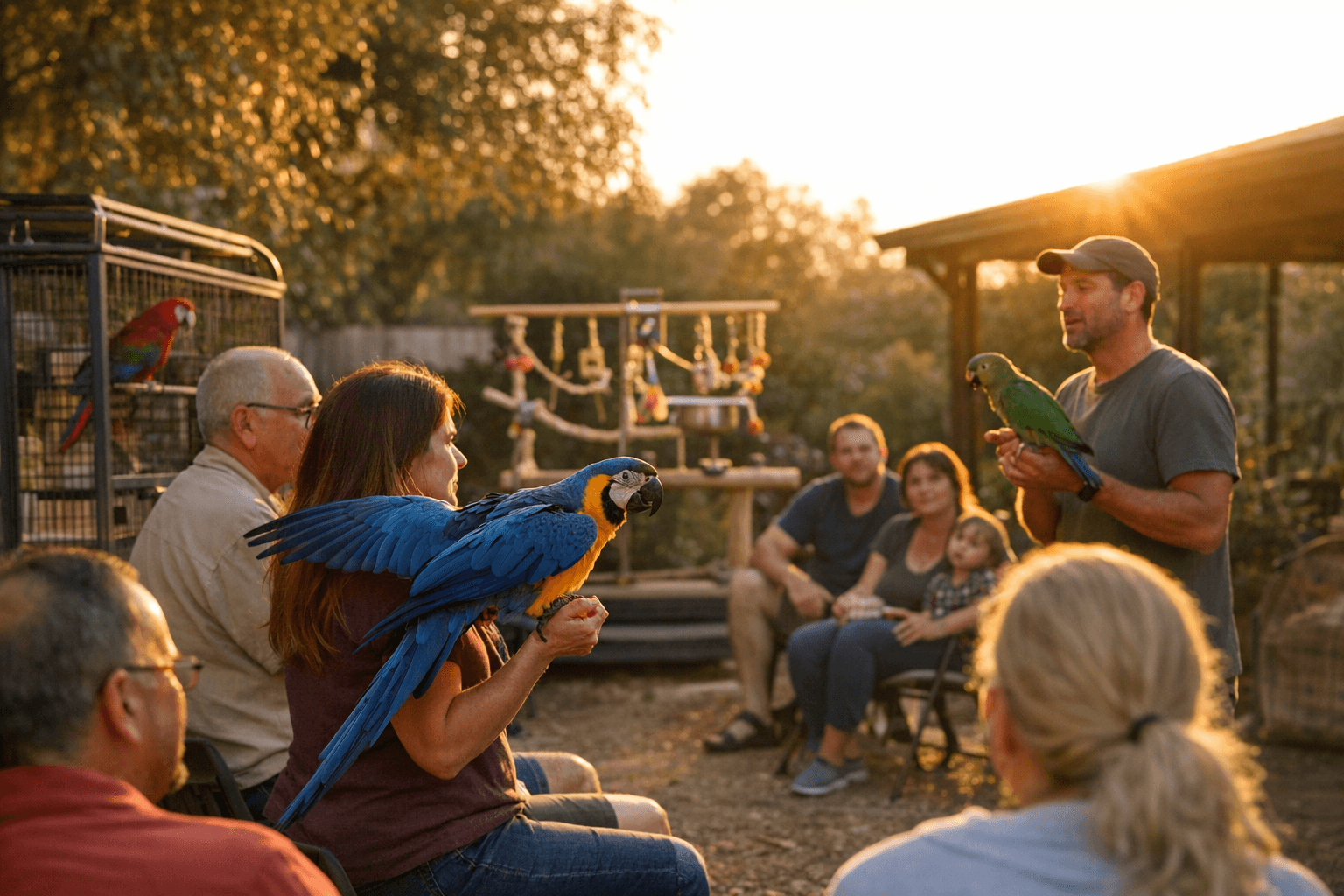
The fastest way to set a parrot up for trouble is to let impulse pick the species. More than 5 million U.S. households have pet birds, and parrots can live anywhere from 15 to more than 50 years depending on species and care, so this is not a short-term pet or a decorative purchase. If you want the bird to fit your life instead of the other way around, start with species, noise, space, and long-term commitment, not color or personality in a sales pen.
That species choice matters because a small parrot and a large one do not ask for the same life. Budgies, cockatiels, lovebirds, macaws, grey parrots, and lorikeets all come with different needs, and some, like lories and lorikeets, need a very specific nectar-based diet rather than the standard parrot menu. The right match is the one you can house, feed, and socialize properly for years, not the one that simply looks easiest on day one.
Build the home around natural behavior
A parrot cage should not feel like a storage box with perches. RSPCA guidance is blunt about what good housing needs to support: flying, climbing, perching, hiding, feeding, and roosting. Where possible, an aviary is the best way to give a bird space to behave like a bird, and if you use one, the enclosure should be large enough for every bird to fly comfortably, with height, width, and depth at least four times the largest bird’s wingspan, plus 20 percent more space for each additional bird.
If you keep the bird indoors, the same principle still applies: the bird needs real flight room, not just a doorway to stretch in. RSPCA also says pet birds should be able to fly freely every day, and its flying guidance says a large indoor flight area can give birds free flight for at least six hours a day. That is the difference between a bird that merely survives in a home and one that stays fit, coordinated, and mentally switched on.
Cleanliness belongs in the housing plan from the start. Keep the cage and accessories clean, avoid overcrowding, and do not let dirty bowls and droppings become part of the routine. CDC also warns that pet birds can carry germs that make people sick, so handwashing after handling birds, droppings, or cage items is not an overreaction, it is basic maintenance.
Feed for health, not convenience
Seed-heavy feeding is one of the classic slow-burn mistakes. RSPCA says the best diet for parrots is a combination of nutritionally complete pellets and a variety of fresh fruits and vegetables, with about three-quarters of the food coming from pellets and about one-quarter from washed produce such as carrots, broccoli, peas, de-seeded apples, grapes, pomegranates, blueberries, sprouts, and safe native berries. That balance matters because seed mixes are high in fat and energy and low in key nutrients, and they can lead to obesity, fatty liver syndrome, and vitamin and mineral deficiencies.
If your bird has been raised on a poor seed-based diet, do not rip the bowl away and hope for the best. RSPCA says the change may need to happen gradually over several weeks or even months, especially if the bird is tame and comfortable working with people. For some species, the rules are different: small parrots such as budgerigars, parrotlets, lovebirds, and cockatiels may still need some seeds each day, but no more than a tenth of the diet, while lories and lorikeets need a special nectar diet with fresh fruit and vegetables. Avocado is poisonous to parrots, so it stays off the menu completely.
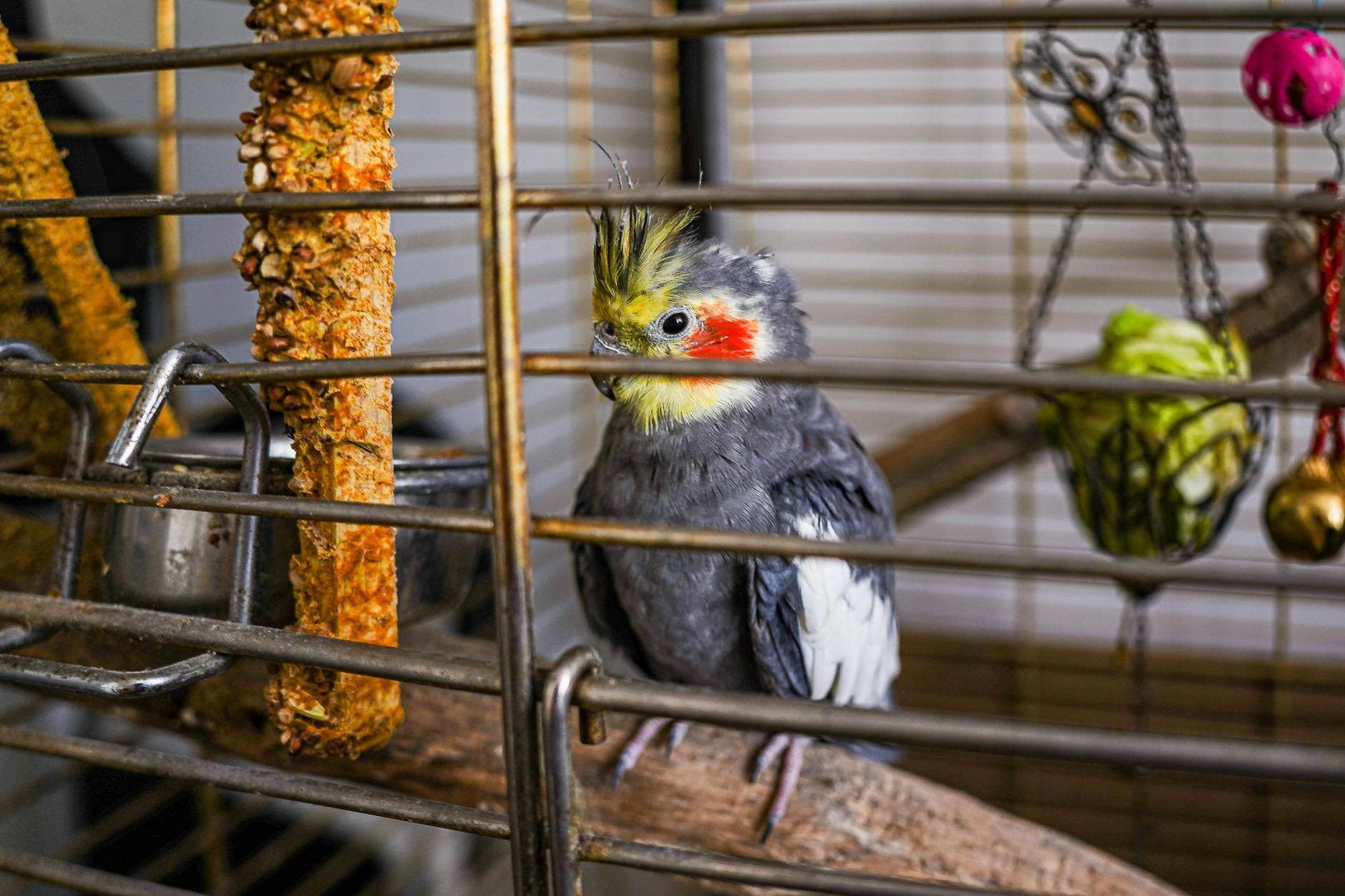
Treat enrichment like daily care, not a luxury
Boredom is not harmless in a parrot. The Association of Avian Veterinarians breaks enrichment into five useful buckets, sensory, nutritional, manipulative, environmental, and behavioral, which is a better way to think about the bird’s day than just tossing in one noisy toy. RSPCA says enrichment helps birds live better in captivity because even the best home cannot fully recreate the wild, so your job is to stack the odds in the bird’s favor with variety.
Practical enrichment does not have to be elaborate. Try scattering food, changing pellet sizes, offering different vegetables and fruits, freezing food in ice blocks so the bird has to work for it, and rotating toys so the cage never becomes visual wallpaper. AAV’s foraging basics also suggest simple starters like moving the food and water bowls, adding a second bowl in a different location, or covering part of the food with paper so the bird has to investigate. That kind of daily problem-solving keeps a parrot occupied in the same way a walk, puzzle feeder, or play session occupies a more familiar companion animal.
Watch for illness early and keep a vet in the loop
Birds are notorious for hiding illness until they are already in trouble. RSPCA says birds often hide signs of disease, which is why prompt veterinary advice matters the moment something looks off, and the Association of Avian Veterinarians points owners to resources on signs of illness, basic care, foraging, diet conversion, and senior bird care. The same organization also recommends regular checkups and provides a Find-a-Vet tool, because avian care works best when you already know where to go before an emergency hits.
The public-health side matters too. CDC says psittacosis is a respiratory illness caused by bacteria that more commonly infect birds, and it is often associated with pet birds such as parrots and cockatiels. The bacteria can spread even from birds that do not look sick, so a bird that seems fine is not a reason to skip hygiene or ignore a weird change in breathing, appetite, droppings, or posture.
Make the relationship part of the care plan
A healthy parrot is not just well fed and housed, it is handled in a way that keeps its body and brain working. RSPCA says understanding bird behavior helps you keep birds safe and happy, and its flying guidance recommends training simple commands, such as flying to or from you on request. That kind of training is not a party trick; it is how you build a bird that can move safely, cooperate, and stay mentally engaged inside a human home.
There is one last practical warning worth taking seriously: if your bird has outdoor access, avian influenza exposure can come from infected wild birds or virus-contaminated surfaces or materials. That means outdoor aviaries, patio time, and any contact with wild bird traffic need real caution, not wishful thinking. The basics are simple, but they are not optional: choose the right species, give it space to fly, feed it properly, enrich its day, and keep your vet and hygiene routine tight. That is how a parrot moves from merely getting by to living like a companion bird should.
This article was produced by Prism’s automated news system from verified source data, official records, and press releases, then run through automated quality and moderation checks before publishing. The system is built and supervised by the people who set the standards it runs under. Read our full AI policy.
Did this article answer your question?