Patient Care Helps Rescued Eclectus Parrot Thrive in New Home
Rosie’s comeback shows the real rescue formula: let the bird choose, feed for the species, and stop before stress turns trust into a setback.
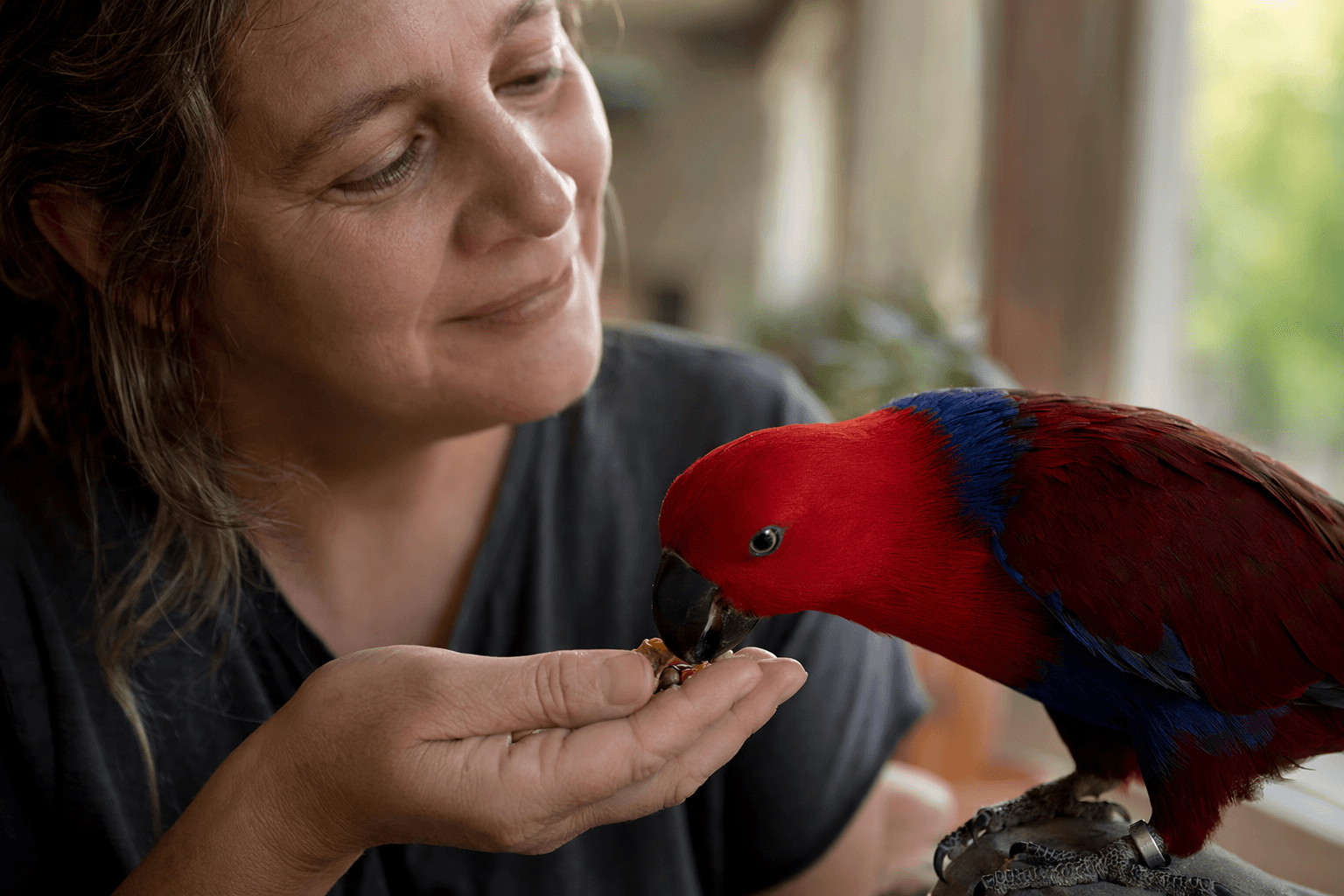
Rosie did not need a dramatic rescue moment. The five-year-old female Eclectus Parrot, surrendered because of behavioral issues, needed something harder and more useful: a calm first day, a bird-led move into her enclosure, and a caretaker willing to work at her pace. That is what makes her story worth paying attention to. The progress came fast only because the pressure stayed low.
Let the bird choose first
The most important detail in Rosie’s start is the one that looks the least exciting on video. Her caregiver let her move herself from the carrier into the new enclosure instead of forcing a handoff. That small pause mattered because a bird that feels cornered can go defensive in seconds, and once that happens, every next step gets harder.
Rosie’s first hours were built around observation, not performance. The routine was simple: settle the bird, offer a healthier diet, use small rewards like nuts, and keep the environment calm enough that she could decide to engage. By the end of the second day, she was eating from her new caretaker’s hand and accepting a water spray for hydration and comfort. That is what real progress looks like in rescue care. It is usually quiet, specific, and much faster than many owners expect once the bird feels safe.
Why eclectus parrots need a species-aware plan
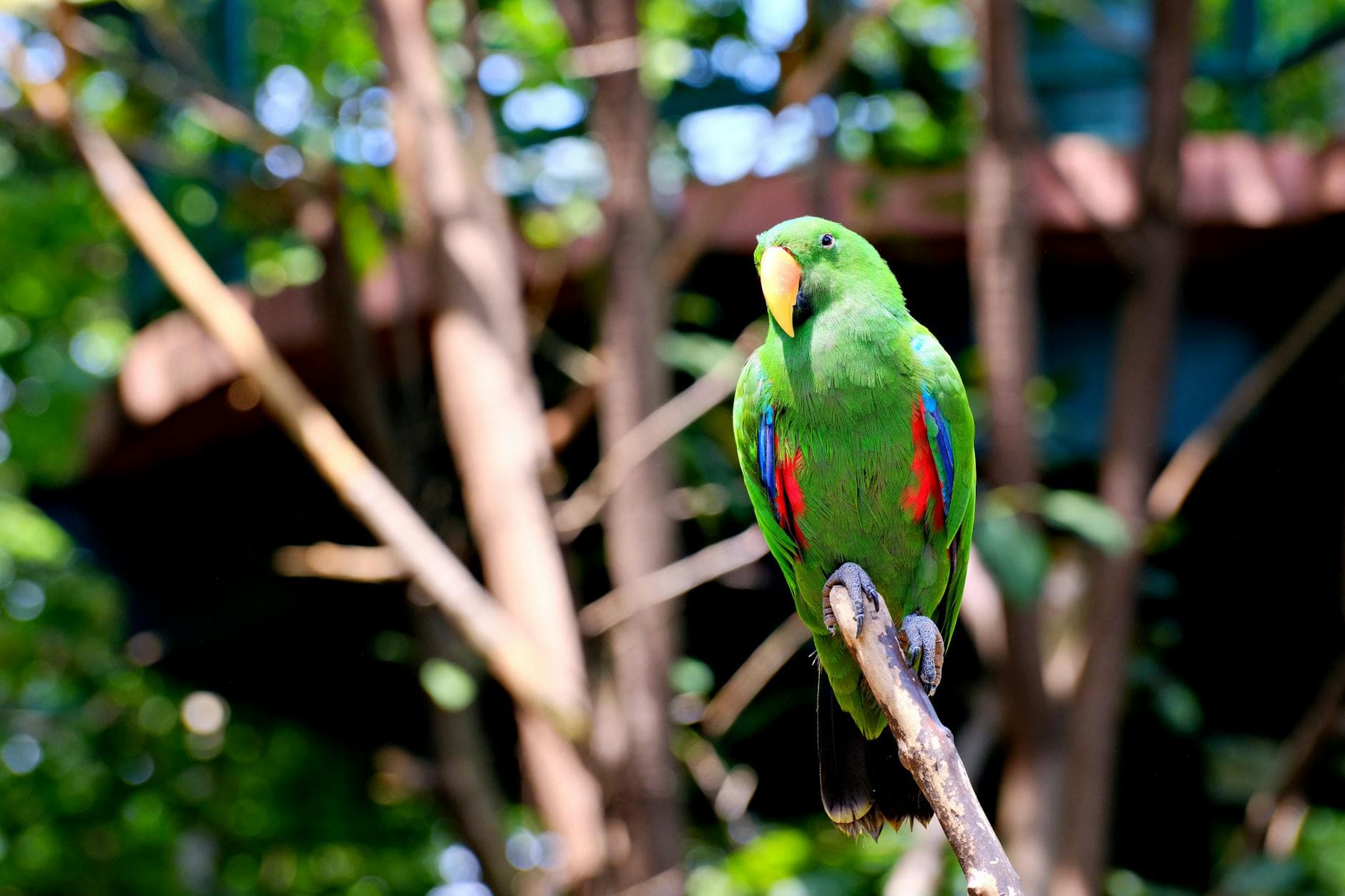
Rosie’s response makes sense when you remember what Eclectus parrots are and where they come from. The species is native to Australia, Indonesia, Papua New Guinea, and the Solomon Islands, and the IUCN lists it as least concern. Eclectus parrots are also one of the clearest examples of sexual dimorphism in the pet trade, with males mainly green and females bright ruby red.
That color difference is not the only thing that sets them apart. Lafeber notes that females may range from assertive to aggressive, which is one reason Eclectus parrots are often recommended for experienced companion parrot owners. They can be calm and gentle, but they are not generic seed-bowl birds, and they do not reward casual care. Rosie’s story works because the handling matched the bird in front of her, not some one-size-fits-all parrot script.
Food is part of the trust-building
The diet change in Rosie’s first days was not a side note. It was part of the recovery plan. In the wild, Eclectus parrots eat mostly fruits, figs, nuts, flower and leaf buds, plus some seeds. In captivity, Lafeber advises a varied menu that includes a formulated diet, whole grains, fruits, and vegetables. All-seed feeding is a bad fit here because it is deficient in protein, vitamins, and minerals, including calcium and vitamin A.
Merck Veterinary Manual guidance lines up with that approach. Birds should get nutritious food, fresh vegetables and fruit each day, clean water, and seeds only occasionally, not as the main diet. Fresh food also cannot sit around too long, because it spoils. For a bird like Rosie, that means the bowl should support health and predictability, not just fill space. A small nut as a treat can help build a positive association, but the everyday diet has to do the heavy lifting.
Slow progress is still progress
The point of the Rosie story is not that she trusted instantly. The point is that she trusted because the caretaker stopped trying to force a shortcut. In the first days, the goal was not taming in the flashy sense. It was making the enclosure, the hand, and the water spray feel safe enough that Rosie could keep showing up.
That sequence matters for surrendered or traumatized parrots. Start with routine the bird can predict. Use food to create a reason to approach. Watch the body language closely enough to know when the bird is comfortable, curious, or nearing a limit. And stop before the bird escalates. That last part is often what keeps a tough first week from becoming a long-term fear cycle.
Watch the small health clues
Eclectus parrots can also hide trouble in ways that are easy to miss. Their digestive systems can be sensitive, and subtle signs like toe tapping can point to problems before anything looks obviously wrong. That is why Merck emphasizes watching droppings, appetite, and behavior as part of everyday bird health, not just during a crisis.
Merck Veterinary Manual also notes that birds can mask illness until late in disease, which is why low-stress handling matters so much. The practical takeaway is straightforward: if the bird is quieter than usual, eating differently, or producing droppings that look off, do not wait for the problem to become dramatic. Annual veterinary care should already be part of the plan, because birds are experts at looking fine until they are not.
Routine, enrichment, and veterinary backup are the real rescue tools
Rosie’s recovery was not built on luck. It came from a predictable routine, species-aware feeding, and respect for her choices. Eclectus parrots also need hours of free-roaming time every day, so safe out-of-cage time is not a bonus for this species, it is part of the basic welfare picture.
That is also where the broader avian-veterinary guidance matters. The Association of Avian Veterinarians recommends regular checkups for companion birds and offers species-specific handouts, including Eclectus care material. That kind of support reflects the same lesson Rosie teaches: the best rescue outcomes are not about winning a bird over fast. They are about making the bird feel secure enough to begin again, then keeping the environment steady enough for trust to stick.
This article was produced by Prism’s automated news system from verified source data, official records, and press releases, then run through automated quality and moderation checks before publishing. The system is built and supervised by the people who set the standards it runs under. Read our full AI policy.
Did this article answer your question?