PETA probe finds injured parakeets denied care at Oklahoma bird factory
An undercover PETA probe says an Oklahoma barn held about 10,000 parakeets while sick birds went weeks without care. One bird, Nancy, died after being trapped and injured.
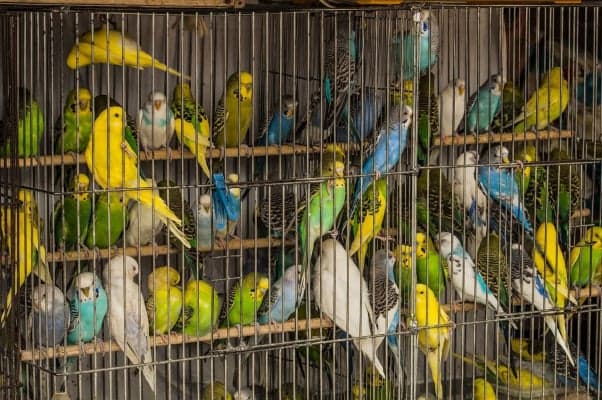
When an injured parakeet can sit for two weeks without a veterinarian while a barn full of birds keeps turning a profit, that is the warning sign every bird owner should take seriously. PETA says its undercover investigator found exactly that at Creekside Birds, a rural Oklahoma breeding factory where about 10,000 parakeets were kept in tiny cages stacked from floor to ceiling.
The group says the investigator spent three months inside the facility and found nearly 1,400 dead birds in less than a month. PETA says owners and staff denied veterinary care to sick and injured birds, leaving them to suffer or die. One bird named Nancy, PETA says, was caught in cage wire, attacked by another bird, lost an eye and then died after at least two weeks without treatment. Another bird, Thomas, could not stand and appeared to have a neurological problem.
The allegations go beyond neglect. PETA says workers described or carried out violent killings, including crushing birds’ necks, throwing them against the ground and ripping off their heads. The report also says one senior worker crammed 50 or more birds into a single cage. With birds packed so tightly, PETA says tail feathers were frayed or missing from rubbing against the bars, a small detail that points to the kind of constant crowding that turns minor injuries into fatal ones.
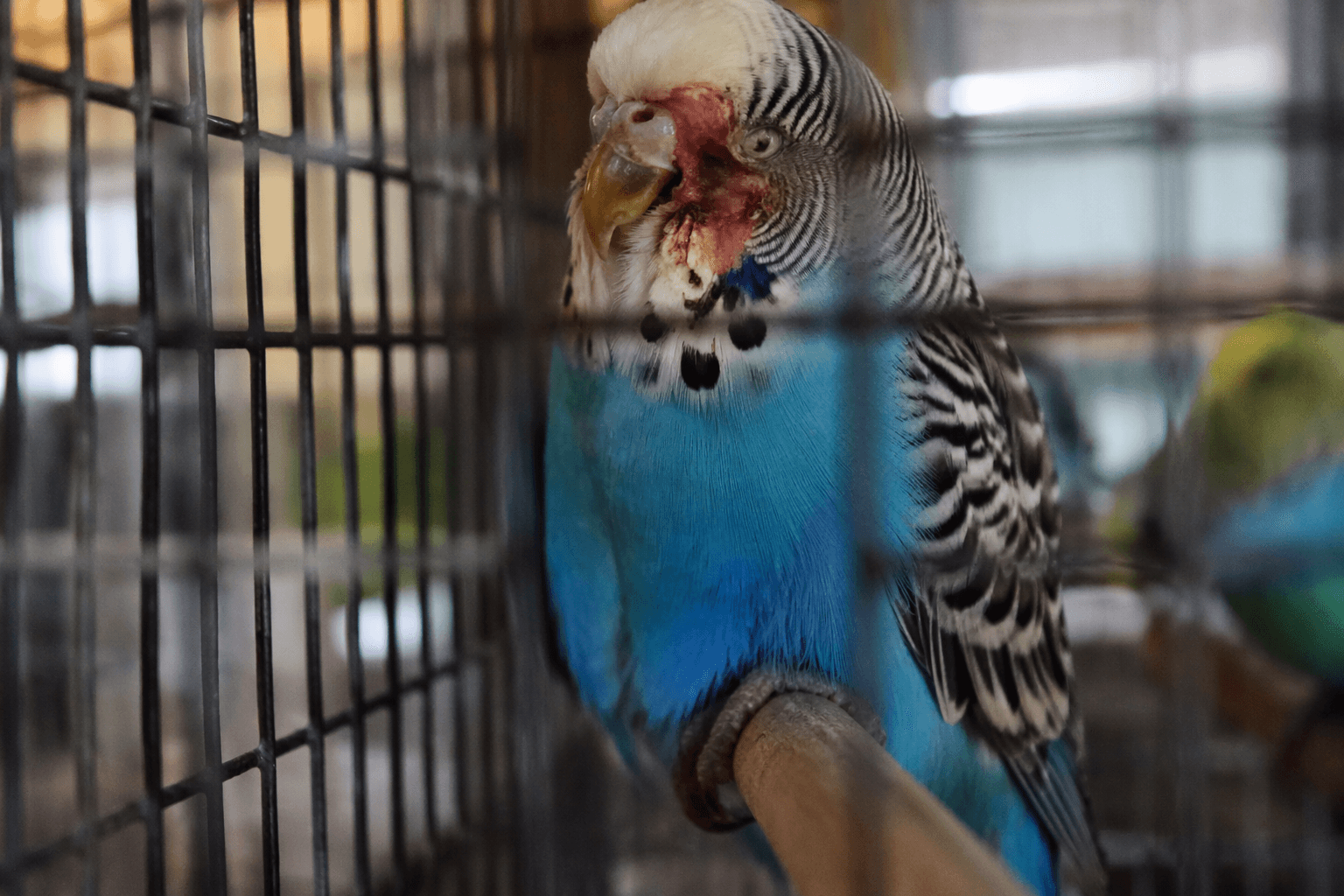
For parrot and parakeet owners, the real lesson is not limited to one Oklahoma barn. PETA links Creekside Birds to the supply chains of PetSmart, Petco and Petland, putting pressure on the broader pet trade that feeds on mass breeding. Petco publicly sells live parakeets and also publishes care guidance that says breeding can be stressful, requires specialized knowledge and carries health risks such as injuries and egg binding. World Animal Protection says budgies, commonly called parakeets, are the most commonly bred and traded parrots in the United States.
The practical test for any breeder, rescue, boarding site or seller is plain: can you see clean records for veterinary care, enough space per bird, and a plan that treats injury fast instead of as a cost of doing business? Creekside Birds shows what happens when the answer is no, and why that answer matters even if you never set foot in the barn.
This article was produced by Prism’s automated news system from verified source data, official records, and press releases, then run through automated quality and moderation checks before publishing. The system is built and supervised by the people who set the standards it runs under. Read our full AI policy.
Know something we missed? Have a correction or additional information?
Submit a Tip