Which parrot is best for your home? Beginner species guide
The cutest parrot is rarely the right one. Match noise, lifespan, mess, and handling to your real life before a bird outgrows your home.
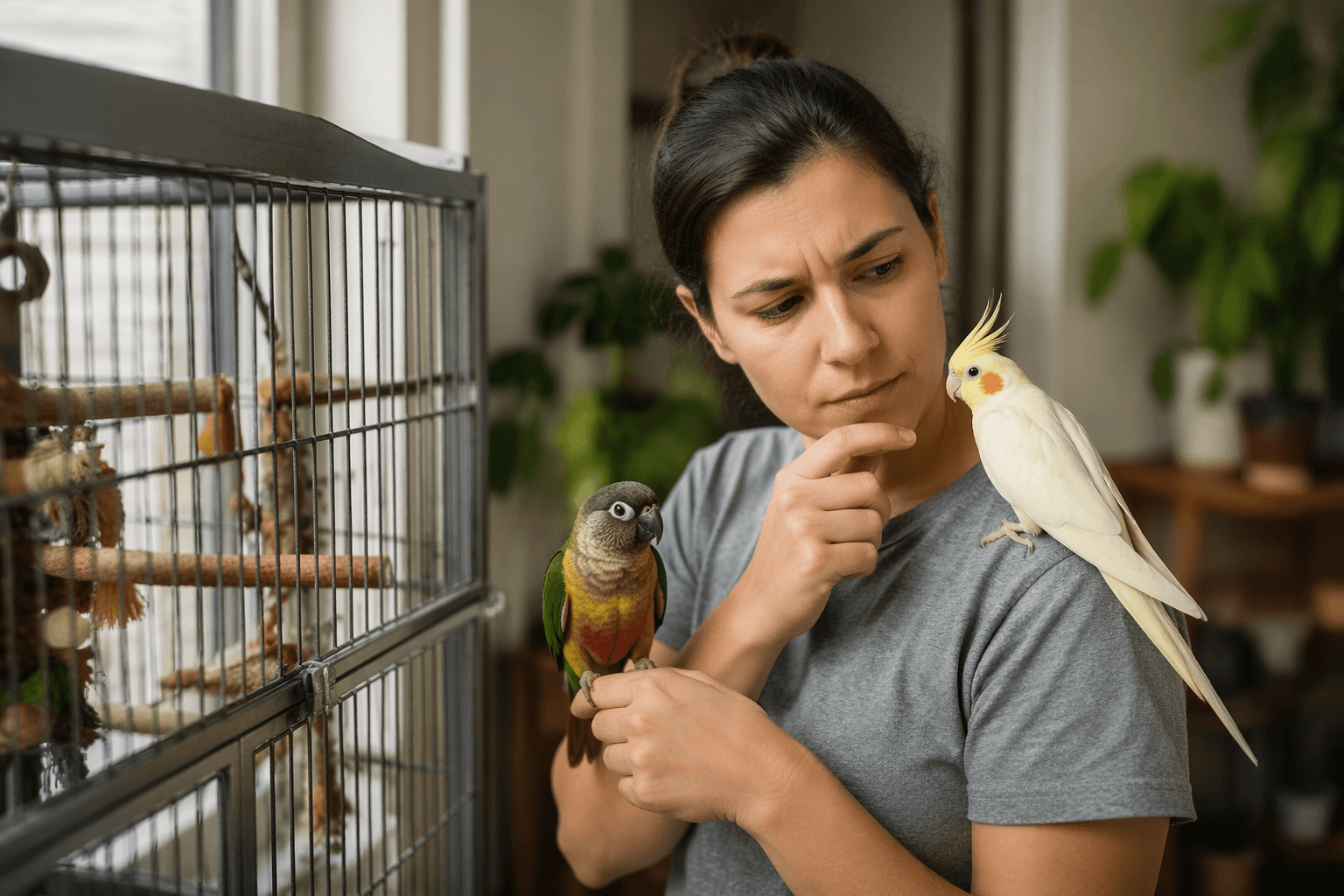
The wrong parrot choice usually does not fail in one dramatic afternoon. It fails slowly, when the noise is too much, the mess is constant, and the bird’s lifespan is longer than the plan you made at the pet store. Earth of Birds gets the core question right: the best first parrot is not the flashiest one, it is the one that actually fits your home, your schedule, and your tolerance for a very intelligent animal.
Start with the mismatch risks
If you are choosing your first parrot, do not start with color, size, or the bird that everyone on social media seems to love. Start with the things that break new owners first: noise, lifespan, mess, social needs, and handling tolerance. A bird can be beautiful and still be a terrible fit if you want quiet evenings, a low-maintenance routine, or a pet that is content to be decorative.
That is why the most useful beginner advice is not “Which parrot is best?” It is “Which parrot can you live with every day for years, maybe decades?” The Association of Avian Veterinarians says many pet birds have long lifespans and recommends regular checkups with an avian veterinarian. The RSPCA goes even further, calling bird care a big commitment and noting that some parrots can live for over 50 years. That is not a cute-pet timeline. That is a life decision.
The beginner sweet spot: birds that are easier to place in real homes
For most first-time owners, budgerigars, cockatiels, and lovebirds sit closest to the practical center of the map. PetMD describes budgies as a great choice for beginners because they are adaptable, not too demanding, and can be trained to be handled. That matters more than people think. A bird that tolerates routine handling and settles into a normal household is much easier to live with than one that needs constant negotiation.
Cockatiels are another common first-bird answer because they stay relatively manageable in size and fit many home setups better than larger parrots. Lovebirds are a little more demanding than budgies or cockatiels, but they still sit in the smaller-bird end of the scale and are often treated as a beginner option with a catch: they need more attention to social and environmental fit than their size suggests. The RSPCA notes that colony-breeding species such as cockatiels, lovebirds, and budgies can live together in social groups, which helps explain why these birds can be easier to place in ordinary homes when their needs are understood.
Even here, handling tolerance matters. A bird that can be gently trained to step up, accept routine care, and adapt to family movement is a much safer first step than a bird that panics at every new object or every hand entering the cage.
When more personality comes with more work
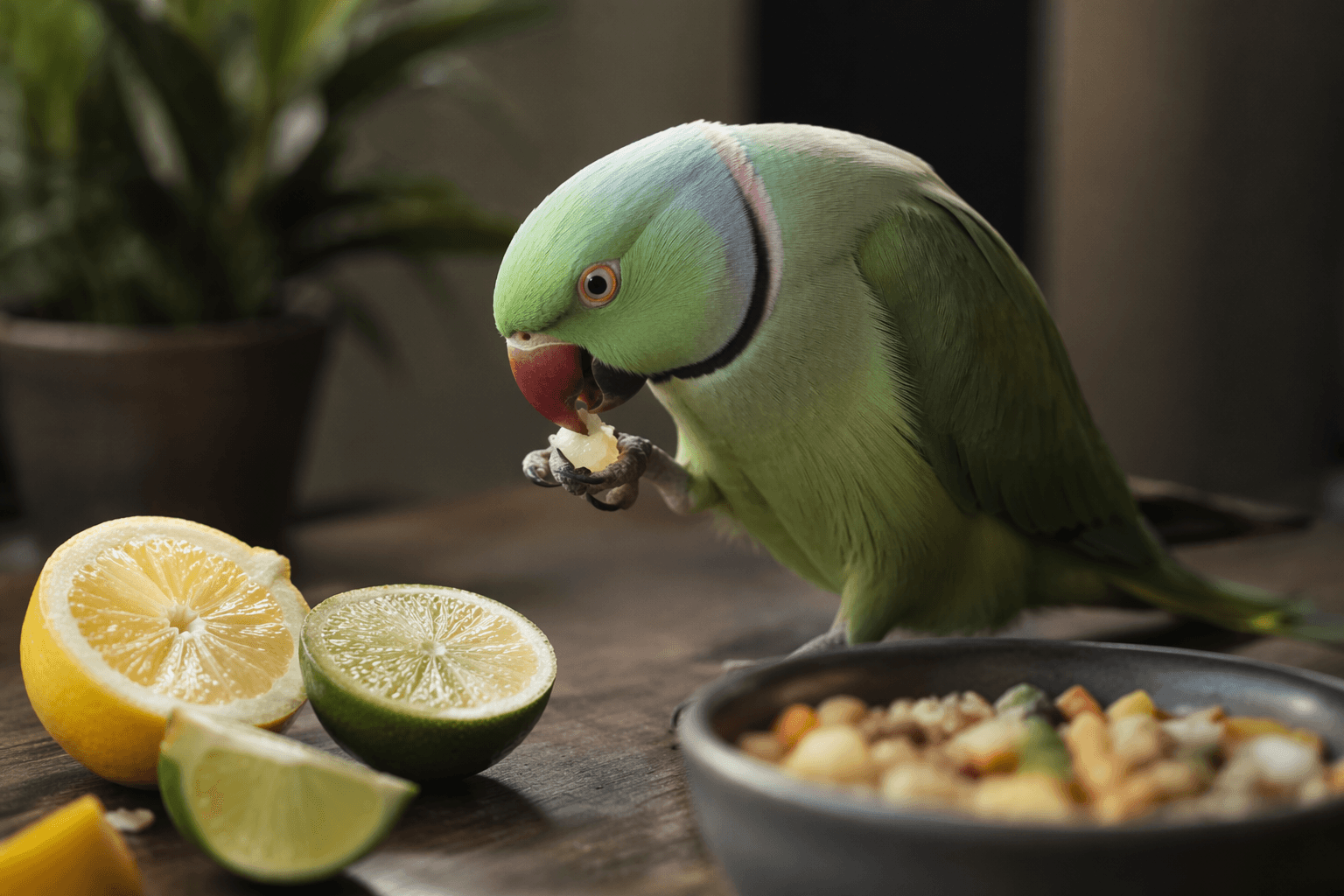
Conures and Quaker parrots sit in the middle, and that middle is where a lot of prospective owners get themselves into trouble. These are the birds that often look like a manageable upgrade, still colorful, still social, still small enough to feel feasible. But the practical difference is that they can ask more of you in noise, interaction, and daily management than the true beginner species do.
This is the category where people often underestimate the social side of parrots. A bird can be compact and still be emotionally demanding. If you want a pet that can stay in the background most of the day, the middle ground may already be more bird than you want. If you want a bird with more energy and presence, but not the full-scale commitment of the biggest parrots, this is the zone to study carefully before you buy.
The birds that fit experienced homes better than beginner homes
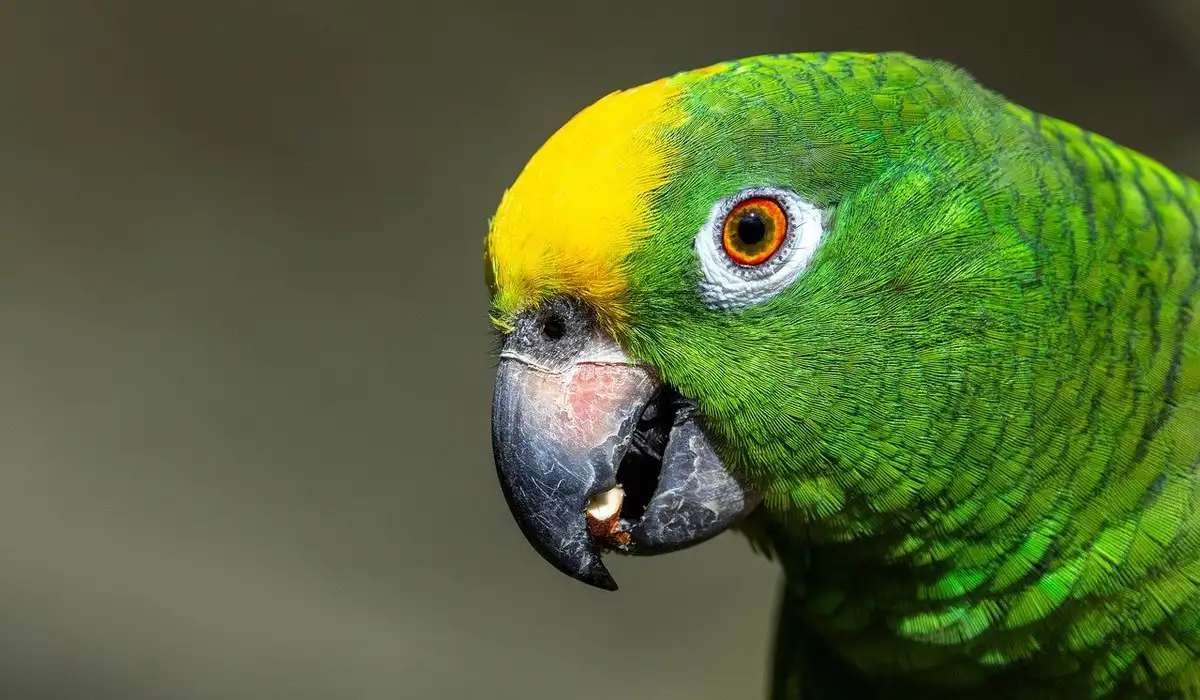
Once you move into cockatoos, Amazons, African greys, and macaws, the equation changes fast. The ASPCA describes these medium and large parrots as highly intelligent, social animals with complex care requirements. Those requirements include the chance to fly and climb, social and mental stimulation, a proper varied diet, and a fume- and toxin-free environment. That is not casual pet care. That is a daily management style.
The same pattern shows up in lifespan. PetMD notes that smaller birds like budgies, parakeets, and cockatiels generally live about 8 to 15 years, while larger birds such as macaws and grey parrots can live 25 to 50 years. That gap changes everything. A bird that lives 40 years is not just a bigger commitment, it is a different kind of commitment, one that can outlast jobs, homes, and family routines. If you are still figuring out your life, these are usually the wrong species to start with.
Noise and mess also climb with the size and complexity of the bird. Even when a parrot is brilliant and affectionate, that does not mean it will fit an apartment, a sensitive neighbor setup, or a low-stimulation home. If you cannot give a bird daily interaction, space to move, and a serious enrichment plan, the large species will make that mismatch obvious quickly.
Build the home before you bring the bird home
The RSPCA’s housing guidance is one of the clearest reality checks in parrot care: give the bird a place where it can safely do the things it would naturally do in the wild, including flying, climbing, perching, hiding, feeding, and roosting. Its enrichment guidance says birds kept as pets cannot really behave as they would naturally in the wild, so you have to build that life in on purpose. Let them fly, where that is safely possible. That is the difference between housing a parrot and merely containing one.
- Make room for movement, not just a cage.
- Plan for daily social contact, not occasional attention.
- Keep the air clean, because fumes and toxins are part of the care equation.
- Budget for vet visits, because long-lived birds need long-term health management.
That is also where conservation comes in. The IUCN Wild Parrot Specialist Group says close to one in three parrot species are threatened on the IUCN Red List. CITES, the international wildlife trade agreement, gives Appendix I species the greatest protection, with international trade allowed only in exceptional circumstances. In other words, species choice is not just about your living room. It is tied to welfare, sourcing, and the bigger pressure these birds face in the wild.
The hard truth most rescues already know
Rescue groups see the same pattern over and over. Feathered Friends Forever says many parrots in rescue have had multiple homes before arriving at the sanctuary. That is what happens when someone falls for the look of the bird and not the life of the bird. The first home was wrong, then the second, then the bird ends up needing a third person to fix a decision made too fast.
The best first parrot is the one that matches the home you actually live in, not the one you wish you lived in. Budgies, cockatiels, and some lovebirds usually give beginners the cleanest path into parrot care. Conures and Quakers need a more careful look. Cockatoos, Amazons, African greys, and macaws belong with owners who already know what decades of noise, mess, intelligence, and social demand really feel like. That is the real test, long before the cage door ever opens.
This article was produced by Prism’s automated news system from verified source data, official records, and press releases, then run through automated quality and moderation checks before publishing. The system is built and supervised by the people who set the standards it runs under. Read our full AI policy.
Know something we missed? Have a correction or additional information?
Submit a Tip