La Cucina Italiana spotlights Italian pasta classics, seafood, vegetables, and homemade dough
La Cucina Italiana's pasta archive moves from pasta fagioli to seafood spaghetti to homemade dough. It's a browseable map of classic Italian pasta with room for surprise.
A pasta archive that behaves like a pantry
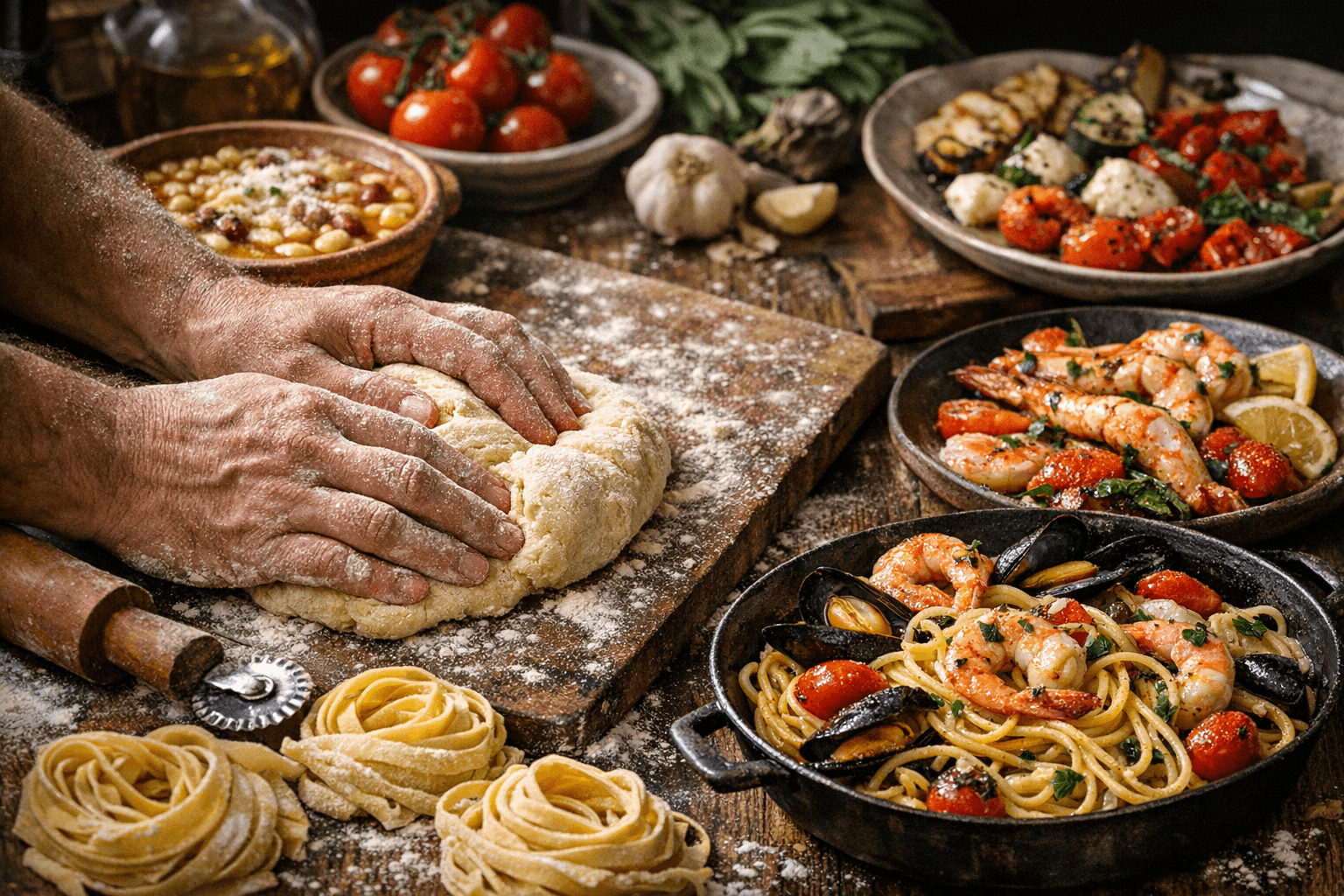
La Cucina Italiana’s pasta page does not read like a one-off recipe feature. It feels more like a living index, the kind of archive you open when you want dinner ideas, regional context, and a quick reminder that pasta in Italy is never just one thing. The page invites readers to explore the best Italian pasta recipes and immediately signals its range with pasta fagioli, zucchini pasta, and pasta salad, a trio that tells you this is a place where rustic tradition and everyday flexibility sit side by side.
That mix is the page’s real strength. It is built as a library rather than a single story, which means you can move from the familiar to the slightly unexpected without ever leaving the same editorial universe. One scroll might take you to a deeply canonical dish, the next to a lighter vegetable-driven plate, then to something that leans seafood, nuts, or a more handmade approach.
Where the classics still lead the way
The clearest thing about the archive is how seriously it treats Italian pasta identity. Tagliatelle alla bolognese stands there as an anchor, the kind of dish that reminds you the page is not chasing novelty for its own sake. Nearby, tortiglioni with anchovies and cavatelli with vedovo sauce keep the focus on sauces and regional character, showing that the site is interested in the traditional backbone of pasta cooking, not just the shape on the plate.
That matters because the page does not flatten Italian pasta into a generic category. Instead, it presents pasta as a family of specific expressions, each tied to a flavor logic that feels recognizably Italian. If you want the classics, this archive gives you enough of them to feel grounded. If you want to move past the obvious, it has room for that too.
Vegetables, seafood, and the flexible middle ground
What keeps the page from becoming a museum piece is its range of ingredients. Casarecce with broccoli and tuna sits comfortably beside ravioli with rocket, artichokes and almonds, while penne with mozzarella, red peppers and capers pushes the idea of a pasta dish into a brighter, more modern lane. Farfalle with almonds and olive tapenade adds another layer, showing that the archive is comfortable pairing pasta with pantry ingredients and Mediterranean flavors that keep the dishes lively.
Seafood also has a clear place here, especially in spaghetti with seafood sauce and crispy thyme breadcrumbs. That recipe says a lot about the page’s tone: it is not simply seafood for seafood’s sake, but seafood in a pasta context that still cares about texture, contrast, and a finish that feels deliberate. The result is an archive that covers the full spectrum, from vegetables to shellfish-friendly sauces, without losing its Italian core.
Why the homemade pasta entries stand out
The prominence of homemade pasta in the recipe list is one of the page’s most telling details. Homemade pasta with Ligurian pesto does more than add another recipe to the mix. It signals that the archive values the craft side of pasta making, the part where dough itself becomes part of the appeal, not just the sauce or topping.
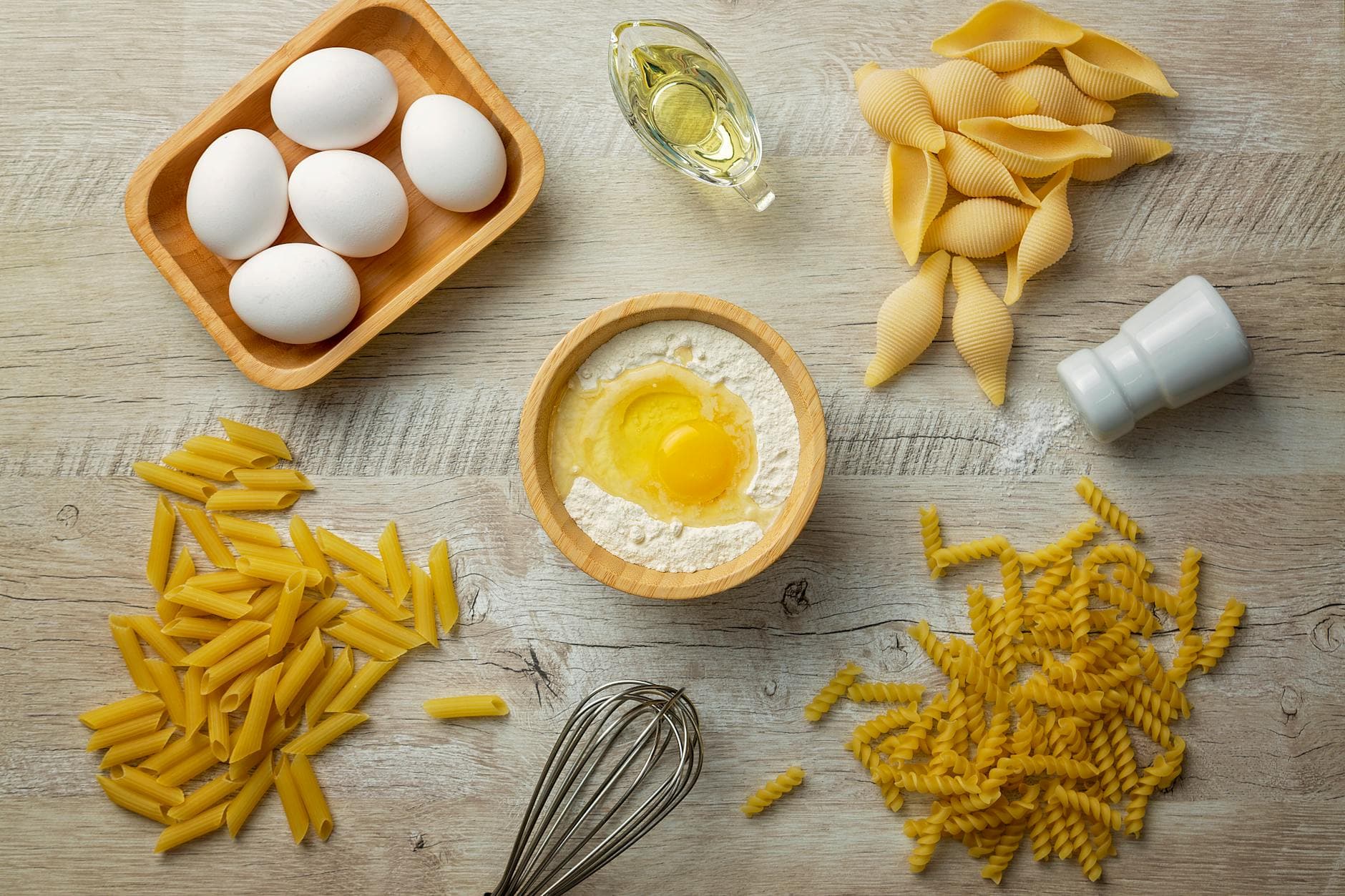
That handcrafted thread gives the page an edge over convenience-first recipe hubs. It reminds you that pasta can be built from scratch, shaped with intention, and treated as something worth the extra effort when the mood is right. For readers who care about texture, technique, and the difference between a supermarket shortcut and a proper dough-based dish, this is where the archive feels especially rewarding.
How the archive helps when you need a specific kind of pasta night
The page is useful because it can solve different kinds of pasta problems without changing its identity. If you need something weeknight-friendly, zucchini pasta and pasta salad point toward lighter, more relaxed cooking. If you want a more traditional red-sauce or meat-sauce lane, tagliatelle alla bolognese is right there. If you are looking for a dish that feels a little more composed and ingredient-driven, the casarecce, ravioli, and penne entries offer that balance.
It is also a good place to browse when you have one box of spaghetti and no plan. The archive’s breadth means that one staple shape can lead you toward very different outcomes, from seafood sauce with crispy thyme breadcrumbs to a more familiar Italian classic. That is the practical value here: not a prescriptive answer, but a set of credible directions that let the pasta decide the mood.
The page’s broader signal about Italian cooking
Taken as a whole, the archive treats pasta as a culinary language with many dialects. There is regional Italian identity in the background, but there is also enough variety to move through vegetables, seafood, nuts, cheeses, and classic meat sauces without ever feeling repetitive. That balance is what makes the page feel useful rather than merely decorative.
It also explains why the archive rewards browsing. Every scroll can surface a different shape, sauce, or flavor combination, and the range is broad enough to keep the page from settling into a single formula. The newsletter invitation reinforces that larger rhythm, placing pasta inside a wider stream of daily food news and recipes rather than isolating it as a standalone niche.
The bottom line
La Cucina Italiana’s pasta page works because it knows what pasta readers actually want: a trusted canon, a few surprises, and enough range to answer real-life cravings without losing the thread of Italian tradition. It is the kind of archive that can take you from pasta fagioli to homemade Ligurian pesto dough in the same sitting, and still feel coherent when you land there.
This article was produced by Prism’s automated news system from verified source data, official records, and press releases, then run through automated quality and moderation checks before publishing. The system is built and supervised by the people who set the standards it runs under. Read our full AI policy.
Did this article answer your question?