National Geographic National Parks Cookbook Features Wild Mushroom Pasta Recipe
National Geographic's 2026 National Parks Cookbook draws wild mushroom pasta inspiration from the fungi growing beneath Redwood National and State Parks' record-tall trees.

The forests of Northern California's Redwood National and State Parks are known for the world's tallest trees, but it's what grows beneath them that caught the attention of cookbook authors Nina Elder and Melissa Knific. Their Wild Mushroom Pasta with shallots and walnuts, published in the 2026 "National Geographic National Parks Cookbook: Dishes Inspired by America's Great Outdoors," spotlights the oyster, chanterelle, and other mushrooms that push up through the forest floor after wet weather in those protected redwood groves.
The recipe, priced at $32.50 and published by National Geographic, is one of 100 dishes across the cookbook drawing inspiration from America's 63 national parks. The book ranges from Acadia National Park's historic popovers, first served in the 1890s, to Grand Teton's chili to Shenandoah's Mile-High Blackberry Ice Cream Pie. Each recipe, per the book's promotional description, pays homage to the parks' specific flora, fauna, and culinary history.
Before you start mentally planning a foraging trip into the redwoods, stop right there. "Foraging for mushrooms is best left to the experts, lest someone get poisoned; also, it's illegal to harvest them in many public parks. But there are other sources of 'shrooms, explain Nina Elder and Melissa Knific," as the republished recipe copy put it. The short version: buy your mushrooms at the store.
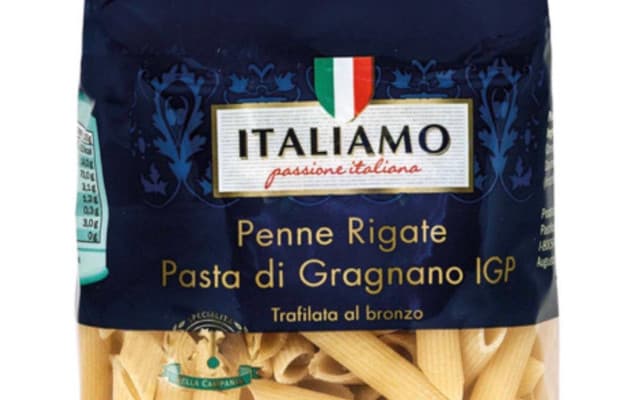
The recipe itself serves four and calls for one pound of mixed wild mushrooms, with hen of the woods, oyster, and chanterelle suggested as good options. You'll build the sauce with a large shallot, four cloves of garlic, half a cup of dry white wine or mushroom stock, and half a cup of heavy cream, all finished with a third cup of grated Parmesan and a squeeze of lemon. Toasted walnuts and fresh chives are listed as optional but add texture and brightness worth including. The pasta base is one pound of campanelle, penne, or any other short noodle that'll hold onto the sauce.
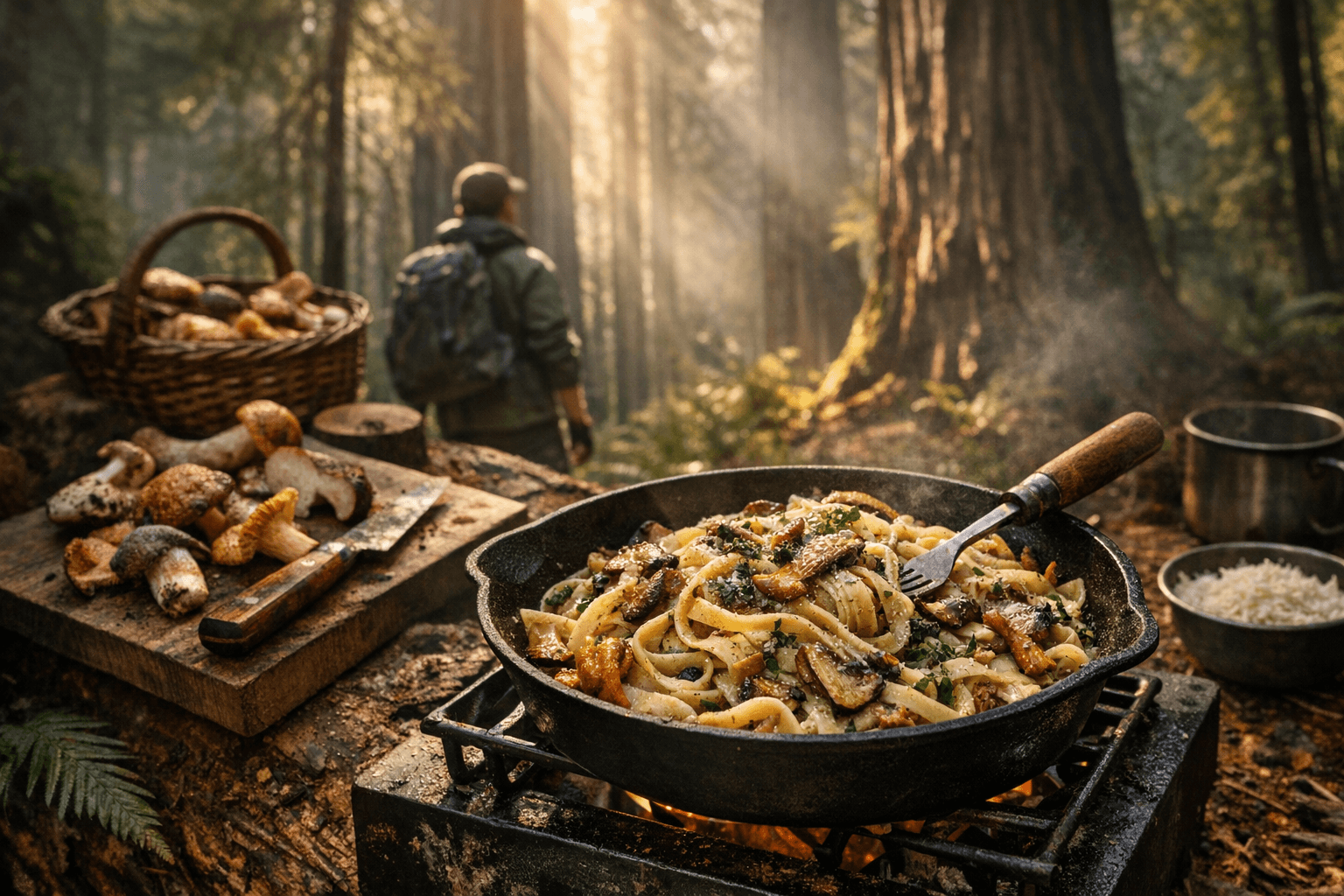
The finishing technique is where it comes together. Pull the pan off heat, then stir in the Parmesan, the remaining tablespoon of butter, and the lemon juice, loosening with reserved pasta water a couple tablespoons at a time until the sauce turns glossy and coats the pasta. Serve immediately, with more Parmesan at the table.
The recipe photograph was shot by Scott Suchman for National Geographic, and the dish circulated through Bay Area News Group papers including the Santa Cruz Sentinel, the Monterey Herald, and the Mercury News on March 11, 2026.
Know something we missed? Have a correction or additional information?
Submit a Tip