Viral TikTok Video Questions Aldi Mac and Cheese Serving Size Claims
A TikToker cooked a box of Aldi mac and cheese labeled "three one-cup servings" and measured just over two cups, sparking 1.5 million views and outrage over shrinkflation.
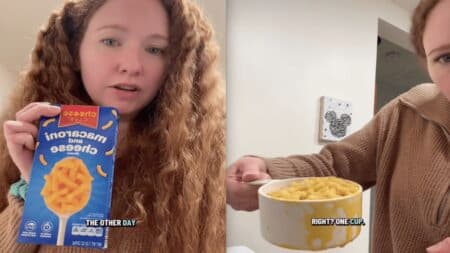
A TikTok video claiming that a box of Aldi-brand mac and cheese delivers a full cup less than its packaging promises has racked up 1.5 million views and more than 200,000 likes, igniting one of the louder consumer-frustration moments the pasta aisle has seen in recent memory.
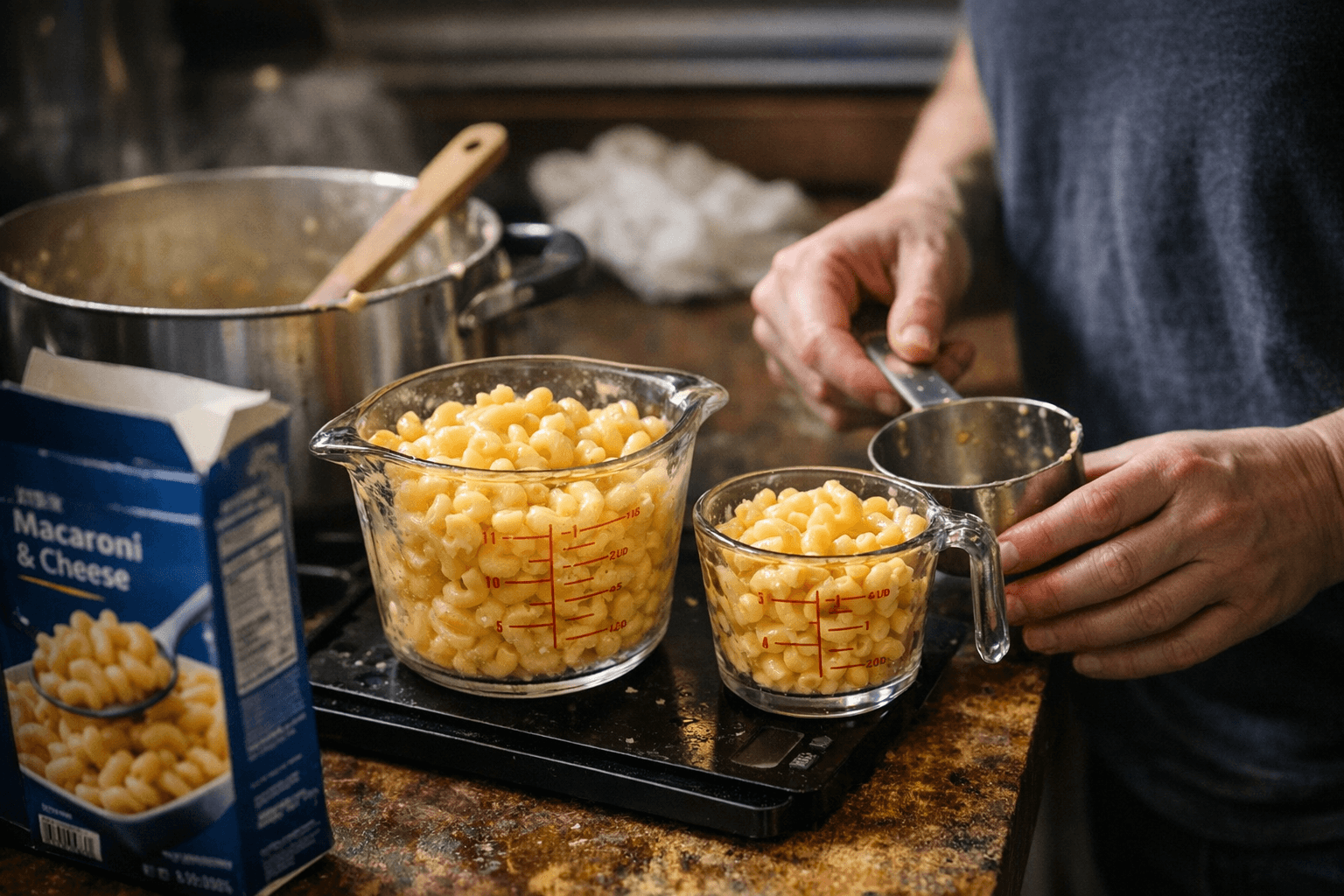
The setup is simple and damning: the creator prepared a box of Aldi mac and cheese, which the packaging identifies as containing three one-cup servings, then measured the cooked result. The yield came out to just over two cups. That missing cup has thousands of commenters convinced they've been shortchanged, with the vast majority expressing outrage at the finding.
Some of that outrage has a legal edge to it. "I'm surprised people aren't taking this [more] seriously. It's actually illegal. It's not just like annoying," one commenter wrote. Others in the thread called for viewers to notify states' Weights and Measures offices and the FDA. Not everyone treated it as a scandal, though. At least one commenter pushed back, noting that their spouse regularly weighs out portions and "frequently finds it doesn't have as much food as the packaging says," framing the gap as an unremarkable industry norm rather than an actionable offense.
The video lands in a broader climate where shoppers are already primed to be suspicious. Soda cans have been quietly downsizing for years, and enough Texas Roadhouse regulars have noticed their rolls looking smaller that the chain has become a go-to shrinkflation talking point online. Aldi built its entire brand appeal on being the honest budget option, so allegations of misleading portions hit the retailer's identity particularly hard. As one piece of context framing the story put it, shoppers dealing with shrinkflation "naturally flock to places like Aldi for its famously cheap groceries" in search of an actual deal.
This isn't the first time TikTok has functioned as an informal consumer watchdog for grocery practices. A separate video exposing Walmart's meat department, where employees were allegedly marking product as heavier than it actually was and then pricing it at the inflated weight, generated nearly 34,000 comments. The backlash was significant enough that many viewers said they would stop buying meat at Walmart entirely.
What remains unresolved in the Aldi case is the methodology question that any pasta cook would immediately flag: whether the packaging's three-cup claim refers to dry or cooked volume. A cup of dry elbow macaroni and a cup of cooked mac and cheese are not remotely the same thing, and the video's source material doesn't clarify which standard the box is using or exactly how the creator measured. Aldi has not issued a public statement, and no regulatory agency has confirmed receiving or acting on a complaint. Until someone measures multiple boxes against a confirmed dry-versus-cooked baseline, the shortfall is real enough to go viral but not yet settled enough to call a verdict.
This article was produced by Prism’s automated news system from verified source data, official records, and press releases, then run through automated quality and moderation checks before publishing. The system is built and supervised by the people who set the standards it runs under. Read our full AI policy.
Did this article answer your question?