Your Guide to 40 Plus Pasta Shapes and Their Perfect Sauce Pairings
Matching pasta to sauce isn't guesswork: rigatoni's ridges trap ragù, trofie's twists grip pesto, and getting it right transforms even a simple tomato sauce.
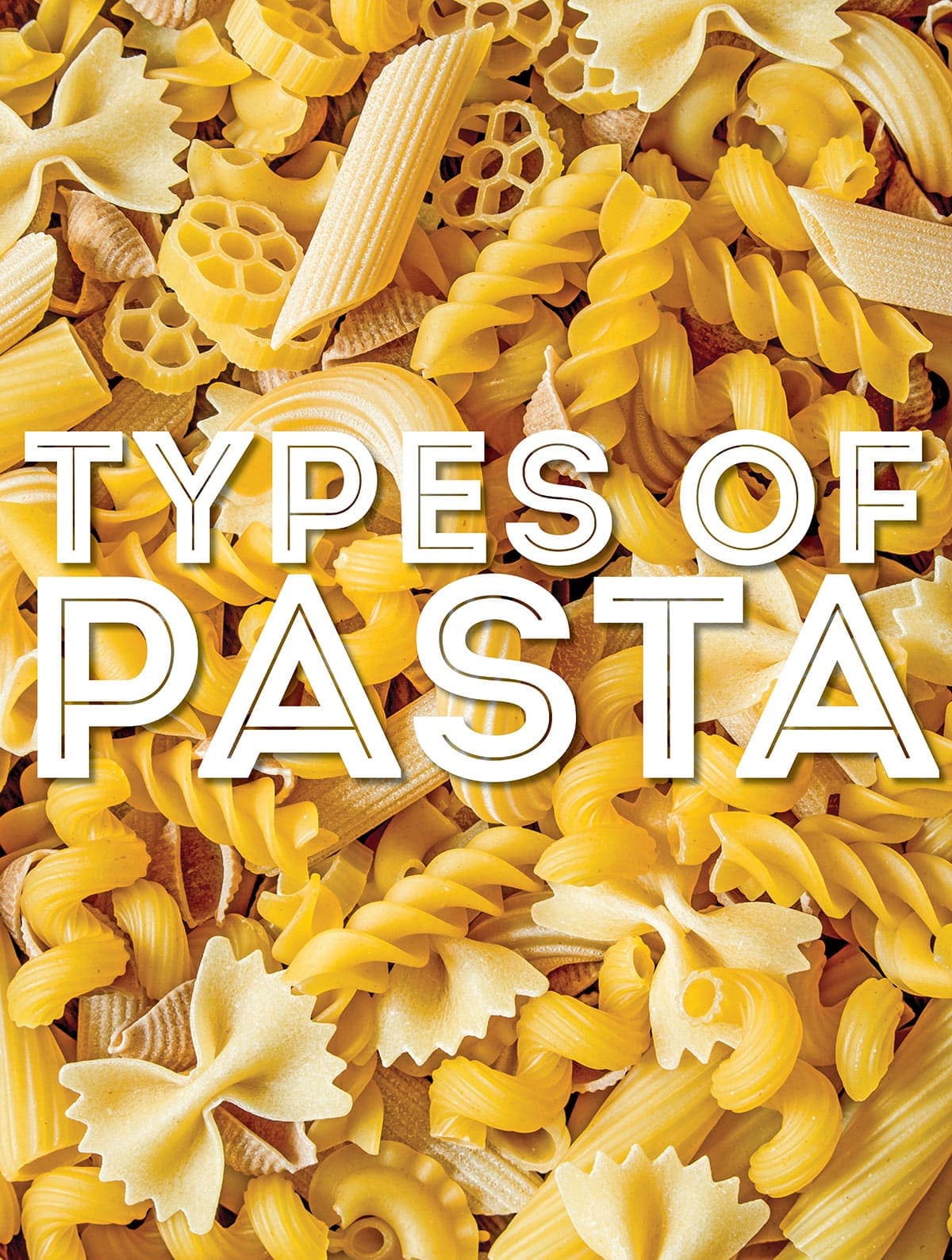
Italy produces more than 300 distinct pasta shapes, and that number alone is enough to make anyone freeze in the grocery aisle. But there is a simple organising principle hiding inside all that variety: the shape determines the best sauce. Get the pairing right and even a basic tomato sauce tastes richer, fuller, and more authentically Italian. Get it wrong and you end up with chunky Bolognese sliding off a tangle of spaghetti onto the plate.
The rule of thumb that unlocks most decisions is this: long pasta loves light sauces, and short pasta loves chunky sauces. That holds true for the majority of what you'll cook, but it needs one important refinement before you apply it. "Long pasta" actually covers two very different shapes, and conflating them leads to real mistakes.
The long pasta distinction that matters most
Thin, round, long pasta, including spaghetti, linguine, bucatini, capellini, spaghettini, and pici, behaves differently from wide, flat, ribboned pasta like tagliatelle, pappardelle, and fettuccine. Long, smooth noodles like spaghetti suit light sauces because they allow the sauce to coat every strand evenly without clumping. Pile a heavy Bolognese onto angel hair and the sauce falls straight to the bottom of the bowl.
Ribboned pasta is a different animal entirely. As America's Test Kitchen explains, "long, flat noodles such as tagliatelle and pappardelle go well with dairy-thickened sauces such as vodka sauce or traditional Bolognese, which cling to and get trapped in the folds." The width and texture of these noodles provide more surface area and a sturdier base, so every bite stays balanced and flavorful, even with the heaviest ragù.
Long, thin pasta: spaghetti, linguine, bucatini, pici, capellini
Spaghetti is the most versatile of the thin long pastas, pairing well with tomato sauces like pomodoro or amatriciana, garlic and chilli, carbonara, and cacio e pepe. Its one firm limitation: very chunky sauces slide off the smooth strands, so keep the components fine. Linguine, being slightly flatter than spaghetti, has a natural affinity for seafood: pasta alle vongole is the textbook example, but pesto and lemon sauces also work beautifully with its shape.
Bucatini is spaghetti with a hollow centre running through the entire length, which makes it exceptional for amatriciana. The tube absorbs sauce from both inside and outside the strand. Traditional carbonara recipes also frequently call for bucatini or spaghetti, reflecting Italy's deep regional habits around pairing. The thinnest long pastas, capellini (angel hair) and spaghettini, need the lightest treatment of all: oil-based sauces, lemon butter, and similar delicate preparations that won't overwhelm their fragile texture.
Pici is a Tuscan specialty worth knowing. Thicker and hand-rolled, it carries more weight than standard spaghetti and is traditionally served with aglione, a Tuscan large-garlic sauce, with pomodoro, or with cacio e pepe.
Ribboned pasta: tagliatelle, fettuccine, pappardelle
These are the shapes built for big, bold sauces. Tagliatelle's wide surface clings to meat sauces and mushrooms; pappardelle's even greater width supports braised meats and wild boar ragù (cinghiale). Both tagliatelle and pappardelle work with rich ragùs like Bolognese and porcini mushroom sauces, but, as America's Test Kitchen also notes, they handle lighter preparations, such as pesto or oil with herbs and lemon, surprisingly well. Fettuccine sits between the two in width and follows the same logic.
Short tubes: penne, rigatoni, tortiglioni, ziti, maccheroni, cavatappi, paccheri, calamarata
This is where engineering genuinely matters. Ridged pasta like rigatoni or penne holds onto chunky sauces because the ridges catch bits of meat or vegetables. Rigatoni's hollow centre traps sauce inside every piece, making it ideal for ragù, sausage, and heavy sauces. The classic dish rigatoni alla Norma, with its chunky eggplant-tomato sauce, is a textbook demonstration of why the pairing works. Pasta alla gricia is always made with rigatoni in traditional Roman kitchens, not because of arbitrary convention but because the ridged, hollow tube holds the guanciale-fat emulsion better than anything else.
Short, tube-shaped pastas, including penne, rigatoni, cavatappi, and ziti, also hold up to thicker sauces like carbonara, Bolognese, and vodka sauce, coating the tubes inside and out. Ziti and maccheroni are the go-to choices for pasta bakes, where the hollow structure keeps moisture inside during oven time. Paccheri and calamarata are oversized tubes with a specific calling: seafood. Their wide opening captures whole clams, mussels, or prawns in a way smaller tubes cannot.
A practical shorthand from Pasta Evangelists sums it up well: tubes are "truly a jack-of-all-trades" for chunky vegetable sauces, cheesy and meaty preparations, and baked dishes alike.
Twisted and spiral pasta: fusilli, trofie, casarecce, vesuvio
The little nooks and crannies of twisted shapes make them perfect for sauces with small, finely chopped ingredients. Fusilli's spirals grab sauce mechanically: pesto and creamy sauces cling to the coils in a way they simply cannot cling to a smooth surface. Trofie and casarecce share this quality and are the canonical pairings for pesto in Italian cooking. Match the width of the twist to the chunkiness of your sauce. Narrower, tighter twists suit smoother preparations; wider, more open spirals can handle coarser ingredients. Vesuvio, a ruffled spiral shape from southern Italy, is traditionally paired with ragù.
Shell pasta: orecchiette, conchiglie, cavatelli
Shell shapes operate on a different principle than ridged or spiral pasta. They don't grip sauce from the outside; they encase it within the cup. As Pasta Evangelists puts it, the shape induces "an explosion of flavour with every bite" because sauce collects inside the hollow. America's Test Kitchen notes that orecchiette, shaped like small cups or "little ears," does well with most sauces, salads, and soups, and pairs perfectly with small pieces of vegetables or peas. The key guideline for all shell shapes: use sauce components small enough to be enfolded inside the shape. Orecchiette with pistachio pesto is one vivid example of the principle in action.
Specialty and regional shapes: gnocchi, trofie (revisited)
Gnocchi occupies a unique position as a potato-based dumpling that is cooked and served like pasta. It sits in the specialty category alongside trofie, and while specific sauce pairings for gnocchi are not elaborated in the primary sources, its soft, pillowy texture traditionally calls for sauces substantial enough to coat without weighing it down.
Stuffed pasta: ravioli, tortellini, agnolotti, tortelloni, mezzelune, girasoli, caramelle
The rule for stuffed pasta is the most straightforward of all: get out of the way of the filling. Ravioli, agnolotti, tortellini, the half-moon mezzelune, and the candy-shaped caramelle are made to be the stars of the dish. A thick sauce overwhelms the delicate texture and balanced flavors inside. Light butter sauces, sage, a touch of cream, or a simple marinara are the correct choices. As America's Test Kitchen states directly, "it's best to let the fillings shine."
Small pasta (pastine): ditalini, orzo, fregola, tagliolini
Tiny pasta shapes exist for an entirely different context: soups and broths. Ditalini, orzo, and fregola hold their shape in hot liquid and are the right size to fit on a spoon, making them ideal for minestrone, pasta e fagioli, and Italian wedding soup. Fregola, the Sardinian toasted semolina pellet, has a slightly nuttier character and pairs especially well with seafood or works as the base of a pasta salad.
Baked pasta: lasagne, cannelloni, conchiglioni
Baked shapes follow tube-pasta logic taken to its extreme. Lasagne relies on layering rather than sauce adhesion, and can accommodate butter, cream, meat sauces, and tomato-vegetable preparations. Cannelloni and the oversized conchiglioni are stuffed before baking and share the stuffed-pasta rule: the filling carries the dish, and the sauce should complement rather than compete.
The shape affects how you eat it, too
Pasta and sauce pairing is steeped in Italy's deep regional traditions, and experimentation is often actively discouraged in Italian kitchens. Beyond tradition, the physical eating experience is part of the design. Long noodles are twirled, short shapes are scooped. Italians engineer their pasta dishes to be practical and satisfying. As one framing puts it: "It's not just about looks, it's about function."
Fresh pasta deserves one final note. Quality fresh pasta carries enough flavor and texture to stand on its own, and pairing decisions become even more consequential when the pasta itself is the star ingredient. The pairing rules above apply just as firmly, perhaps more so, when the pasta is freshly made rather than dried.
This article was produced by Prism’s automated news system from verified source data, official records, and press releases, then run through automated quality and moderation checks before publishing. The system is built and supervised by the people who set the standards it runs under. Read our full AI policy.
Did this article answer your question?