Pathfinder Feybound Brings First World Lore, Fey Options, and Unicorn Riding
Feybound looks like Paizo's next big First World toolbox, mixing fey lore, character toys, and collector editions into one remaster-era hardcover.

A First World book that reads like a play prompt
Pathfinder Feybound is not being pitched like a dry rules add-on. The store page frames it as an invitation to step through the veil into the Yestereve Revels, “the grandest party of two worlds,” which is exactly the kind of hook Pathfinder tables can build around. That matters because this is the sort of book that can reshape a campaign from the first scene: you are not just getting more fey lore, you are getting a setting concept built for intrigue, enchantment, and strange social pressure.
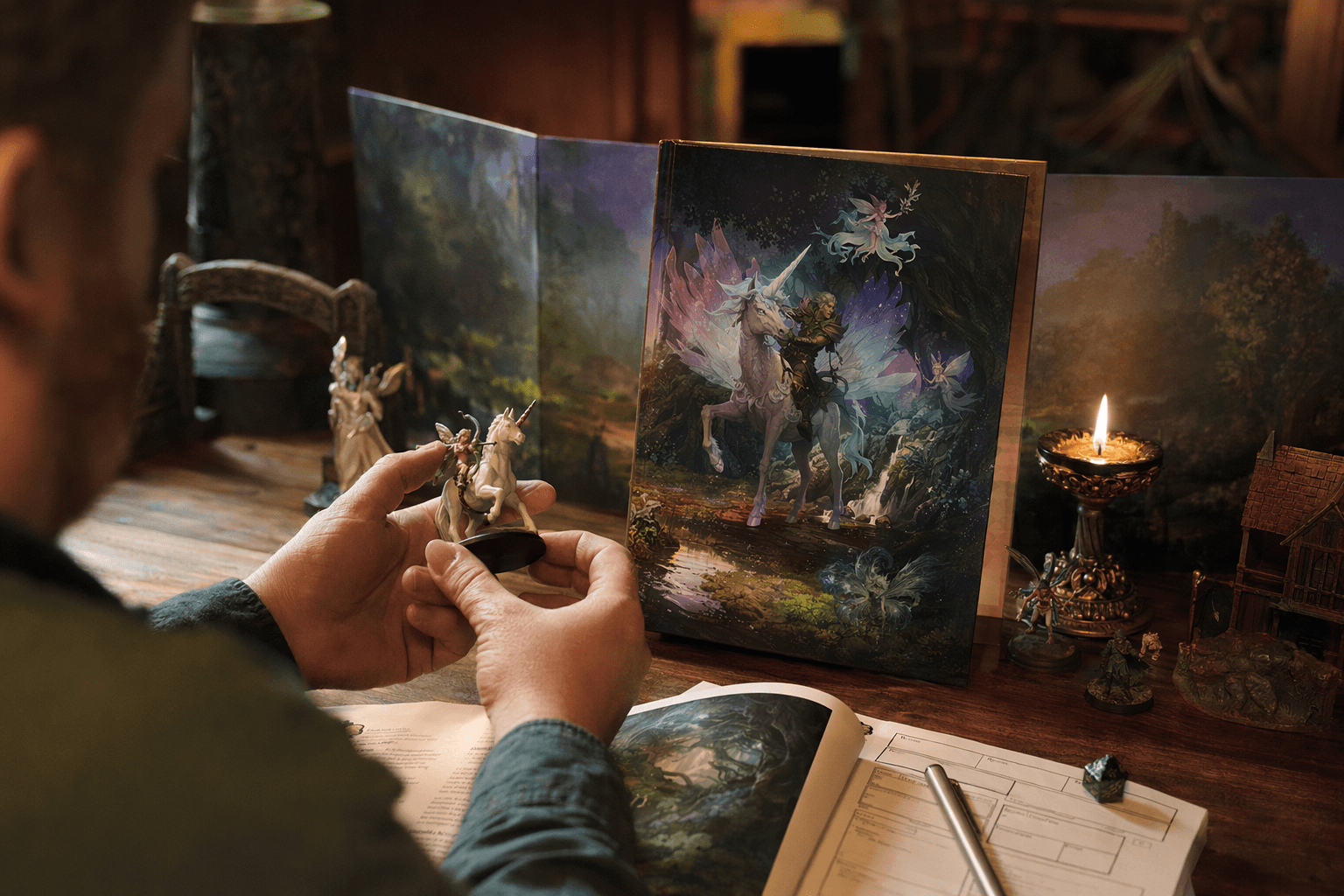
The page also makes the scale of the book clear. Feybound is centered on the First World and its inhabitants, with a gazetteer of the plane, expanded details on the Eldest, and player-facing material rooted in fairy tales and fey magic. In other words, this is Paizo doing what it does best when it is firing on all cylinders: giving GMs a place to stage stories and giving players reasons to make new characters that feel like they belong in that place.
What the First World framing really signals
The First World has always been one of Pathfinder’s richest sandbox settings, and Feybound appears to lean hard into that strength. A gazetteer gives GMs the map-level texture they need, while the Eldest material points toward the kind of high-myth, high-personality power centers that make fey stories sing. If you have ever wanted to run a campaign where the politics are as dangerous as the monsters, that is the lane this book seems built for.
The Yestereve Revels reinforce that direction. Paizo’s own language says the gathering includes “every kind of fey from lowly gremlin to towering warrior of the Wild Hunt,” which tells you the book is not interested in a single narrow take on fey culture. It is aiming for a crowded, messy, layered society where courtly elegance, trickster chaos, and outright menace can all share the same dance floor. That is useful table fuel because it gives you a social spectrum, not just a creature type.
The page also teases interaction with a fey queen and with “the grimiest muckdwellers,” which adds another layer of contrast. You can already see the adventure shape: one scene in glittering, rule-bound revelry, the next in something darker, filthier, and more desperate. That mix is exactly what makes fey stories memorable at the table, because the tone can turn on a coin and still feel coherent.
Player options that look built for actual characters, not just lore readers
The player side of Feybound is just as important as the setting side. The store text calls out inspiration for bard play, the ability to ride a unicorn, and options built around curses, transformations, and memory magic. That combination is a strong sign that Paizo is thinking in terms of character fantasies, not just mechanics on a page. A bard in this book is not a generic support caster with a lute, but someone who belongs in a tale where names matter, promises sting, and music can twist a scene.
The mention of fey ancestries and the fadrim versatile heritage is even more telling. Paizo is clearly giving players ways to build characters who are thematically tied to the First World without forcing every concept into the same mold. That matters for remaster-era play, where tables are looking for cleaner entry points into the setting without losing the odd, folkloric flavor that makes fey stories feel different from standard fantasy.
And yes, unicorn riding is exactly the kind of hook that will sell character concepts before a single stat block gets read. It is whimsical, but it is also practical at the table because it gives a player an immediate image: a knightly bard, a fairy-touched emissary, a dreamlike scout, someone who feels at home in a mythic chase across impossible terrain. Those are the kinds of character ideas that get remembered long after the session ends.
How GMs can use Feybound at the table
For GMs, the real value here is not just “more lore.” It is a ready-made campaign engine. A book built around the First World, the Eldest, and the Yestereve Revels can support everything from one-off courtly negotiations to full campaigns about bargains, curses, and the consequences of meddling with fey power. If your group likes political pressure and strange etiquette, this is the kind of sourcebook that can turn a side trip into a whole arc.
The memory magic and transformation themes are especially useful because they create problems that linger. A fight is temporary. A stolen memory, a swapped identity, or a curse that changes how someone is perceived can drive sessions. That is where Feybound feels most promising: not as a place to add another monster to the bestiary, but as a book that can change the rules of social and narrative conflict at the table.
The crowd at the Revels also offers a clean way to populate an adventure without hand-waving. When a book tells you that gremlins, Wild Hunt warriors, queens, and muckdwellers all have a place in the same event, it is handing you factions, allies, rivals, and threats in one package. That is the kind of material GMs can actually build on fast.
The editions, the price, and the release timing
Paizo’s Coming Soon page lists Feybound at $64.99 and gives it an expected release date of November 4, 2026. The product page also shows multiple editions, which is a strong hint that Paizo expects both table demand and collector interest. The Pocket Edition is a smaller 6.7” x 8.4” softcover meant to be cheaper and more portable, while the Sketch Edition is exclusive to hobby retailers and paizo.com. The Special Edition goes deluxe with faux leather, metallic deboss cover elements, and a bound-in ribbon bookmark.
That spread tells you exactly how Paizo is positioning the book. This is not just for buyers who want the rules text. It is for people who want to own the thing, carry it, display it, and keep it on the shelf next to the rest of the remaster line. For Pathfinder fans, that often matters because the books are part rules reference, part setting artifact.
The preorder policy adds one more practical piece of context. Paizo says preorders open once an item reaches its warehouse, roughly six weeks before street date, and shipping does not begin until the street date itself. So if you are planning around table purchases, retailer orders, or collector grabs, the important date is still November 4, 2026, with preorder windows likely opening shortly before that.
Why the early reveal already has people talking
The book’s first appearance was not a polished marketing beat, which is part of why it landed so hard. EN World reported that Paizo briefly posted the page and removed it overnight before a planned reveal, turning the listing into an early glimpse rather than a full rollout. That kind of slip tends to create exactly the sort of conversation Paizo books thrive on, because Pathfinder fans immediately start connecting the dots between lore, mechanics, and character ideas.
The reaction also makes sense in the context of the 2026 publishing slate. Paizo’s 2026 Product Catalog previews everything coming for Pathfinder, Starfinder, and Paizo Games, and Feybound sits alongside other major Pathfinder releases on the Coming Soon page, including Pathfinder Lost Omens Cheliax, Infernal Inheritance and Pathfinder Lost Omens High Seas. That placement matters because it shows Feybound as part of a bigger year of setting-forward books, not a one-off novelty.
Taken together, Feybound looks like one of the clearest signals yet about where Paizo wants the remaster line to go next. It is lore-rich, player-friendly, and built around a very specific fantasy: walk into the First World, survive the party, and come out with a new identity, a new curse, or maybe a unicorn under saddle.
This article was produced by Prism’s automated news system from verified source data, official records, and press releases, then run through automated quality and moderation checks before publishing. The system is built and supervised by the people who set the standards it runs under. Read our full AI policy.
Did this article answer your question?