Canon adds American football to Action Priority in major firmware update
Canon’s newest firmware turns the EOS R1 and R5 Mark II into smarter sideline cameras, adding American football to Action Priority and tightening tracking in messy frames.
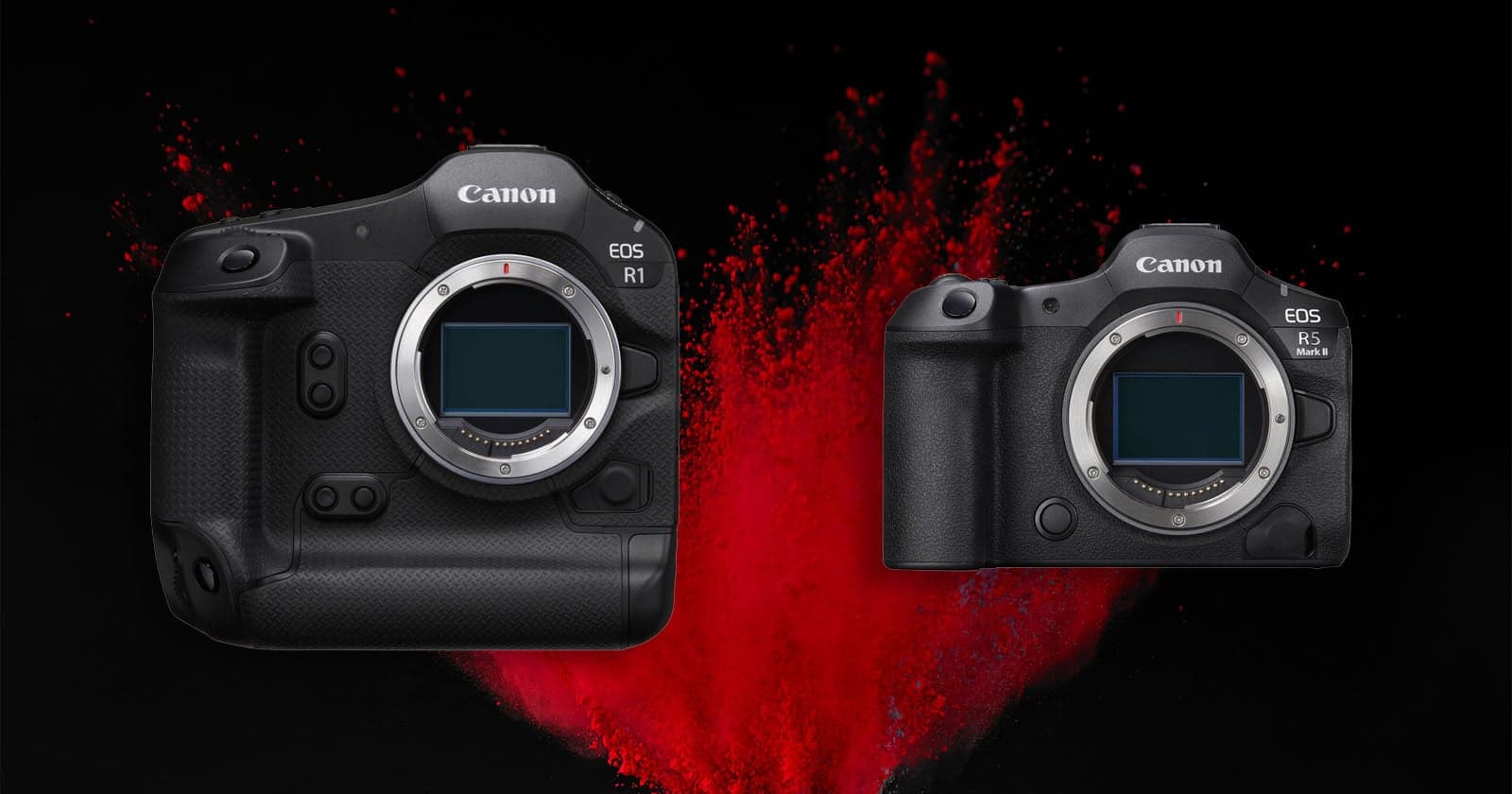
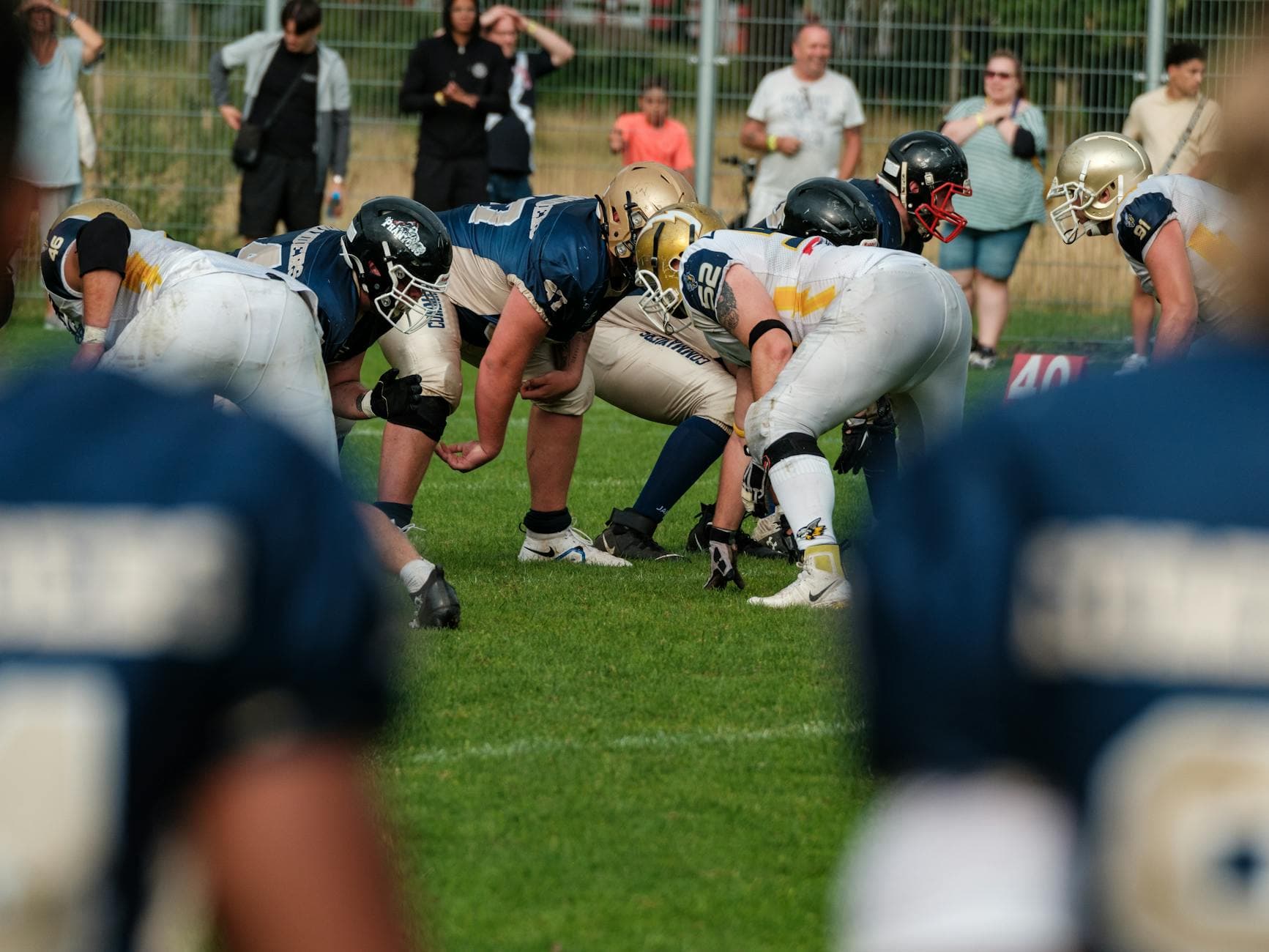
Canon just pushed a reminder that in 2026, the real camera upgrade may arrive over firmware, not in a new body. The headline change in version 1.3.0 for the EOS R1 and EOS R5 Mark II is American football in Action Priority, a subject-tuning mode that now recognizes athletes in helmets and shoulder pads instead of forcing a generic autofocus system to guess at the action.
That matters because Action Priority was never meant as a broad, one-size-fits-all trick. Canon’s AF Setting Guide says it was built around actions unique to soccer, basketball, and volleyball, where the camera can bias focus toward the player most likely to matter in the frame. Adding football makes the feature feel less like a launch-day novelty and more like a living tool that Canon can keep tuning as sports photographers move from one assignment to the next.
The football update is only part of the point. Canon’s firmware notes say the R1 and R5 Mark II also improved tracking and detection for Register people priority in difficult real-world conditions, including profile views, partially obscured faces, small subjects in the frame, and children, even when the feature is set to Off. That widens the value well beyond stadium work. Portrait shooters, event photographers, and documentary shooters all know how often a subject turns sideways, ducks behind someone else, or shrinks to a tiny figure in a chaotic frame.

Canon packed the same 1.3.0 release with a long list of workflow fixes and features: AF for close-up demos in movie modes, Wi-Fi frequency-band selection for 2.4 GHz or 5 GHz transfer, more FTP transfer threads, false color support in HDR/C.Log View Assist, pre-continuous shooting customization, AF-setting transfer between same-model cameras, electronic-level and grid display during movie recording, DPRAW support, and EDSDK/CCAPI support. The company also addressed repeated Err49 messages, interval-timer power-off problems, shutter-button restart issues while deleting images, and smartphone USB recognition problems.
There is one catch. Canon says updating firmware can delete registered data stored in the camera, so face data needs to be saved first with Save/load registered data on card. That kind of fine print is exactly why these updates are more than release notes: they change how the camera behaves, but they also change how carefully you need to manage your setup.
Canon’s rollout covered nine cameras in all, including the EOS R1, R5 Mark II, R3, R100, R10, R50 V, R8, R6 II, and PowerShot V1. The R1 and R5 Mark II got the most attention because they show where the system is heading. Since Canon launched both bodies on July 17, 2024, the company has kept adding software-driven performance to hardware that was already expensive and already fast. For sideline shooters, that is the story: the camera you bought last year is still learning the game.
Know something we missed? Have a correction or additional information?
Submit a Tip