Photographer calls out soccer player for reposting watermarked image without credit
Miguel Leyva reposted David Loché’s watermarked soccer photo without credit, and Loché’s public callout quickly topped 1.8 million views.
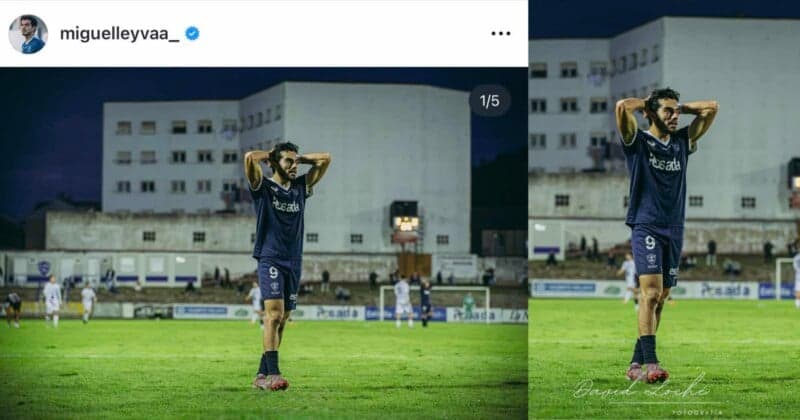
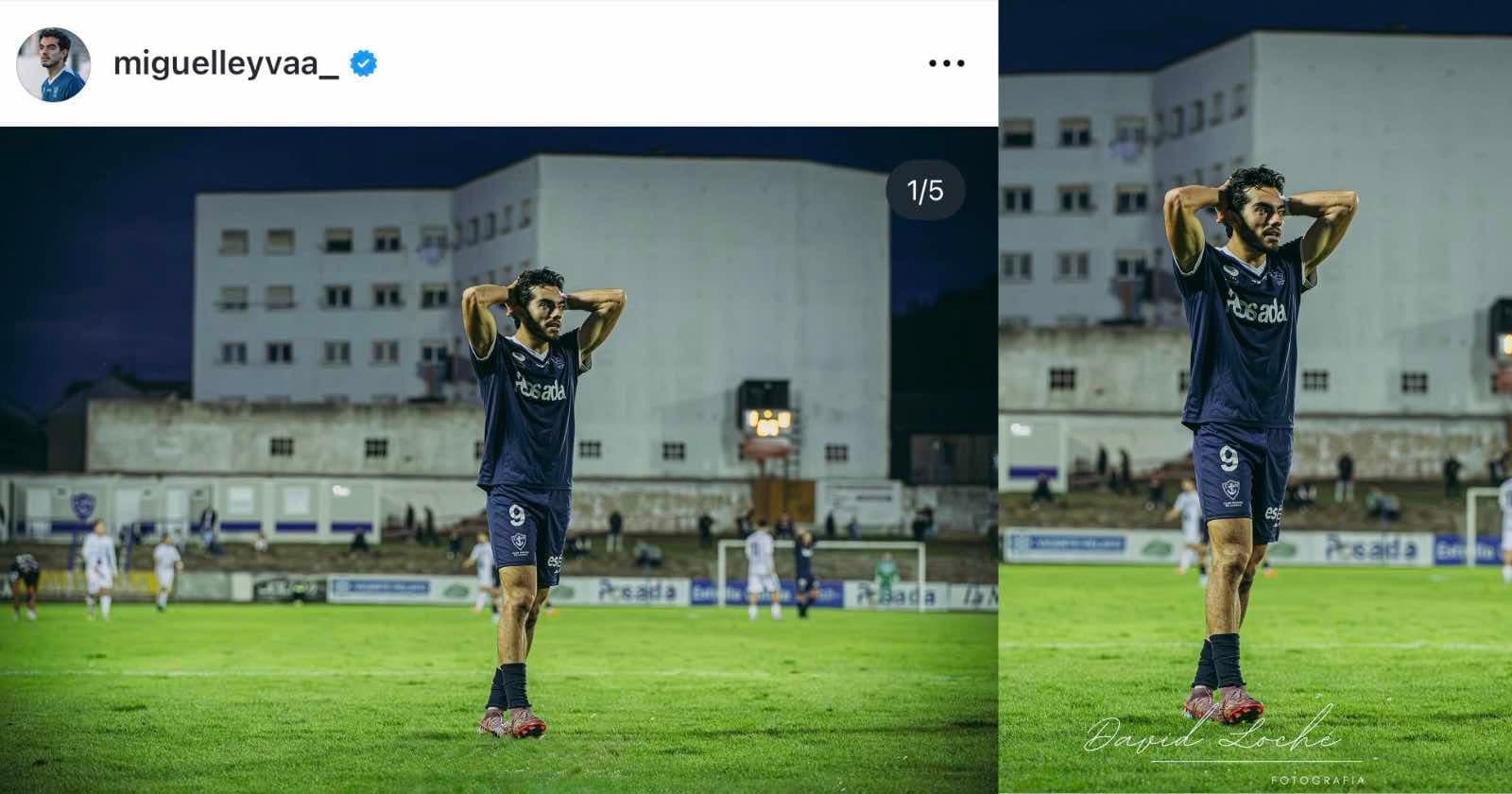
Miguel Leyva, a Mexican professional soccer player for Marino de Luanco, reposted David Loché’s match photo to Instagram without tagging the photographer, and the image appeared to have had its watermark stripped out, apparently with AI. Loché pushed back publicly, and his X post took off fast, passing 1.8 million views within days as photographers and other social-media users rallied around him.
The image itself came from a Marino de Luanco-SD Sarriana match in November 2025, which is part of why the repost landed so hard with working shooters. Leyva had roughly 100,000 Instagram followers when he shared it, enough reach to turn one uncredited frame into a much larger piece of circulating content. Loché said he was especially surprised because the two had exchanged messages before, and Leyva had previously reposted some of his work.
That mix of access, reach, and credit loss is what makes the case sting for photographers. A watermark is not bulletproof protection, but it still clearly marks authorship and makes a casual repost harder to pass off as an original share. Once the mark is removed and the image is published to a big audience without attribution, the photographer is left fighting not just for credit but for control over how the work is presented and monetized.
There is real legal weight behind that fight. Under 17 U.S.C. § 1202, no one can intentionally remove or alter copyright management information without authority from the copyright owner or the law. The U.S. Copyright Office says its Copyright Claims Board can resolve copyright disputes of up to $30,000 as a faster, less expensive alternative to federal court. Internationally, the Berne Convention, adopted in 1886, recognizes authors’ rights over their works, and the U.S. Copyright Office has said U.S. law offers limited protection for attribution and integrity rights after the United States joined the treaty in 1989.
For photographers, the practical response starts with proof. Keep the original file, the version that carried the watermark, screenshots of the repost, timestamps, and any direct messages showing prior contact or permission history. If a client, celebrity, or team account reposts without credit, send a clear takedown or payment request, preserve everything before the post changes, and be ready to escalate if the platform share keeps moving. Loché’s case shows how quickly a single repost can strip away context, and how fast photographers now have to move to put it back.
Know something we missed? Have a correction or additional information?
Submit a Tip