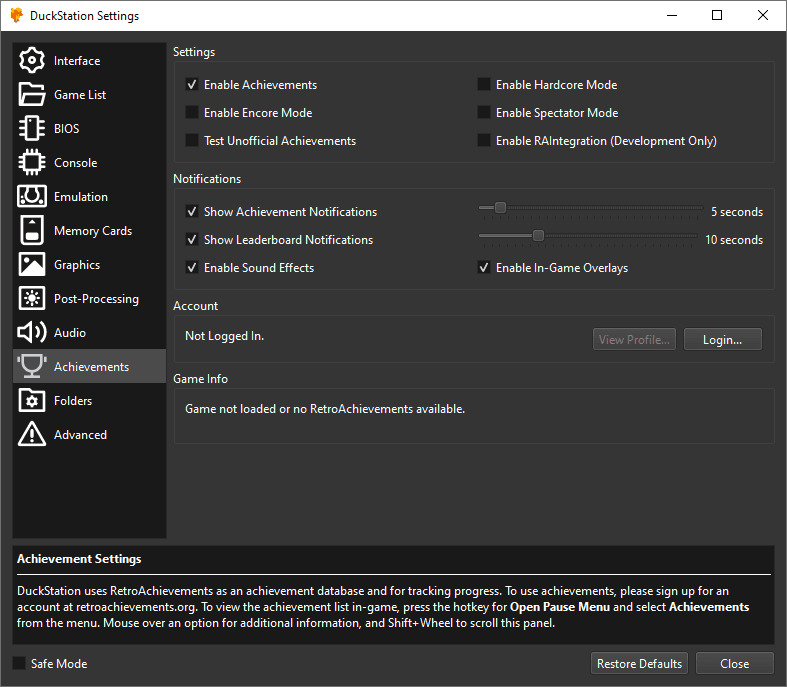
RPCS3 now auto-applies optimal per-game settings on launch
RPCS3 now loads wiki-backed game settings at boot, cutting out the per-game tweaking that used to slow PS3 emulation to a crawl.
RPCS3 just took one of PS3 emulation’s most annoying chores off the user’s plate. When a game boots, the emulator now pulls in wiki-recommended per-game settings automatically, then blends them with the player’s global configuration instead of forcing a full manual setup pass.
That matters because this is the part that used to send people digging through the RPCS3 Wiki title by title, trying to stop freezes, fix missing graphics, or restore broken effects before a game would behave. The new config database, delivered through a downloadable config_database.dat file that stays updated with the emulator, turns that process into something much closer to click and play. It does not fix emulation bugs by itself, but it removes the setup burden that made PS3 emulation feel more like maintenance than gaming.
The change lands at exactly the right time for the kinds of users who want RPCS3 to behave like a normal launcher, not a lab experiment. RPCS3 is an open-source PlayStation 3 emulator and debugger written in C++ for Windows, Linux, macOS, and FreeBSD, and its quickstart has long told users to bring serious hardware to the table: at least 6 cores and 12 threads, 16 GB of dual-channel RAM, and a modern Vulkan-capable GPU for best results. The new auto-apply system does not lower those hardware demands, but it does remove one of the biggest sources of friction before a game even gets to the title screen.
That friction has been baked into RPCS3’s history. Development started in 2011, the project was publicly released in June 2012, and macOS support arrived in April 2022. Through all of that, the emulator leaned on a community-maintained Wiki for game info and compatibility guidance, which is why this automation is such a big deal. RPCS3 has spent years improving convenience with tools like its compatibility database and auto-updater, but this change is different because it targets the most tedious part of use: per-game configuration.
The official announcement on April 16, 2026 credited AniLeo, Megamouse, HerrHulaHoop, and FlexBy for the work behind the feature. The reaction across emulation and gaming circles was immediate and unusually enthusiastic, with users framing it as a major quality-of-life win and another step toward the kind of true plug-and-play PS3 emulation that fans have been chasing for years.
This article was produced by Prism’s automated news system from verified source data, official records, and press releases, then run through automated quality and moderation checks before publishing. The system is built and supervised by the people who set the standards it runs under. Read our full AI policy.
Did this article answer your question?