Aluminium bluewater cruisers gain style, comfort, and mainstream appeal
Aluminium cruisers are shedding their workboat image. The real win for DIY owners is a tougher hull with smarter deck layouts, easier repair thinking, and more livable offshore comfort.
Aluminium goes from niche to normal
Get the wrong material choice wrong on a bluewater refit and you pay for it twice: once in the yard, and again every time you live with the compromise offshore. That is why the new wave of aluminium explorers matters to ordinary cruisers, not just buyers chasing a headline boat. The appeal is no longer just toughness. The pitch now includes comfort, style, and a layout that makes long-term cruising feel less like camping on a machine and more like living aboard a proper boat.
What is changing is simple enough to spot in the newest designs. Builders are leaning into aluminium for adventure yachts that are meant to be robust and capable, but also refined enough to stand next to more conventional luxury cruisers. That shift matters because it gives DIY owners a more realistic template: if a boat can handle offshore work without looking stripped-out, then the same design logic can inform your own refit decisions on insulation, interior finish, deck protection, and corrosion management.
Why the new aluminium boats are easier to live with
The clearest signal is that these boats are no longer being treated like rough workboats with bunks. They are being finished with enough care to appeal to owners who want autonomy without giving up style. For a cruiser making decisions in the yard, that translates into a useful lesson: durability does not have to mean bare metal, noisy cabins, or a compromised deck plan.
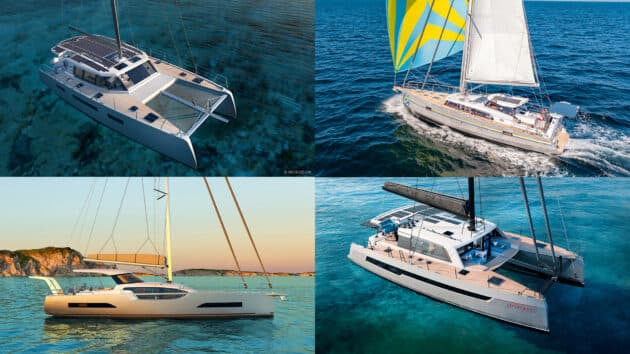
The best example is the Allures Horizon 47, a Normandy-built aluminium centreboarder from a yard that has spent more than 20 years in the bluewater-cruising niche. That experience shows in the formula: aluminium hulls paired with composite decks. The practical point for anyone thinking about a refit is that the boat keeps toughness where it matters most, while trimming weight and improving comfort above deck. In plain terms, it is a reminder that smart material mixing can solve real problems instead of creating a single-material dogma.
Allures is also treating this model as an evolution, not a one-off. The Horizon 47 builds on the lessons of the 51.9 and pushes toward a more open, more livable interior. That matters because a cruising boat is judged in daily use, not in a dockside photo. If your own project is in the planning stage, this is the kind of thinking worth copying: every heavy or hard-to-clean surface you remove, every space you open up, and every piece of gear you place where it can actually be used at sea improves life aboard.
The deck plan is the real sales pitch
The most persuasive part of the Horizon 47 is not the hull material, it is the way the deck layout makes offshore practicality feel luxurious. The side deck sits level with the cockpit and is protected by a high bulwark. That sounds like a styling choice until you picture a wet night watch, a tired crew, or a bad landing in a seaway. A level, protected route from cockpit to foredeck reduces the little anxieties that wear people down on passage.
There is also a deck saloon with cutaways that preserve visibility, plus a covered cockpit that creates a fully protected watchkeeping position. That combination is exactly the kind of feature DIY cruisers should pay attention to when they are planning a refit or choosing a base boat. If you spend long periods aboard, visibility and shelter are not luxury add-ons. They are the difference between a cockpit that looks good at anchor and a cockpit that actually works underway.
The transom and swim platform take that same idea one step further. The article describes the beamy stern as creating a terrace-on-the-sea effect, and that is not just marketing language for an expensive toy. For liveaboard cruisers, a stern platform changes daily routines: boarding becomes easier, water access gets simpler, and the boat gains an outdoor living space that earns its keep at anchor. If you are drawing up your own refit list, think about the stern as a useable zone, not just the place where the dinghy hangs.
What DIY cruisers can borrow from the aluminium trend
The biggest takeaway is not that every cruiser should rush out and buy aluminium. It is that aluminium is forcing a more serious conversation about how a bluewater boat should be built and finished. If a builder can combine an aluminium hull with composite decks and still make the boat feel elegant, the old assumption that expedition toughness must look crude is starting to collapse.
For a DIY owner, that opens up practical decisions that pay off fast:
- Use material choice to separate jobs. Put toughness where impacts, abrasion, and offshore loads are worst, then use lighter, easier-finished materials where comfort and weight matter most.
- Treat visibility as a safety feature. Cutaways in the deck saloon and open sightlines from the helm are not cosmetic details when you are tired, shorthanded, or working a passage in bad weather.
- Build shelter into the everyday layout. A covered cockpit is not just for foul weather. It makes watchkeeping, meal prep, and long anchor days more manageable.
- Design the stern for actual use. A swim platform or broad transom can turn the aft end of the boat into a practical terrace, boarding point, and water access zone.
Those lessons are especially relevant because the market is already responding. The first five hulls of the Horizon 47 had been sold, with hull construction underway in Condé-en-Normandie and fit-out in Cherbourg. That is not a speculative concept drawing. It is proof that this blend of ruggedness and polish is already finding buyers, which tells the rest of us something important: the mainstream cruising market is no longer punishing boats that look expedition-ready, so long as they also feel comfortable and well thought out.
The new standard for bluewater credibility
This is where the aluminium trend gets interesting for the ordinary refit crowd. The best boats in this space are not asking owners to choose between capability and comfort. They are showing that a bluewater cruiser can be beachable, autonomous, and tough without being austere. That is a useful benchmark when you are spending real money on a refit and every decision has to justify itself in miles, maintenance, and daily livability.
The old split between handsome cruiser and serious voyaging tool is narrowing. Aluminium bluewater boats are making the case that you can have both, as long as the structure is honest, the deck layout is practical, and the interior is refined enough to reward the long haul. For DIY sailors, that is the real trend worth watching: not a luxury fantasy, but a better blueprint for boats that are meant to go far and still feel good to live with when they get there.
This article was produced by Prism’s automated news system from verified source data, official records, and press releases, then run through automated quality and moderation checks before publishing. The system is built and supervised by the people who set the standards it runs under. Read our full AI policy.
Did this article answer your question?