Contessa 26 turns 60, why this DIY cruiser-racer still matters
The Contessa 26 still earns refit money because its hull, class knowledge, and offshore record keep paying back the work you put into it.
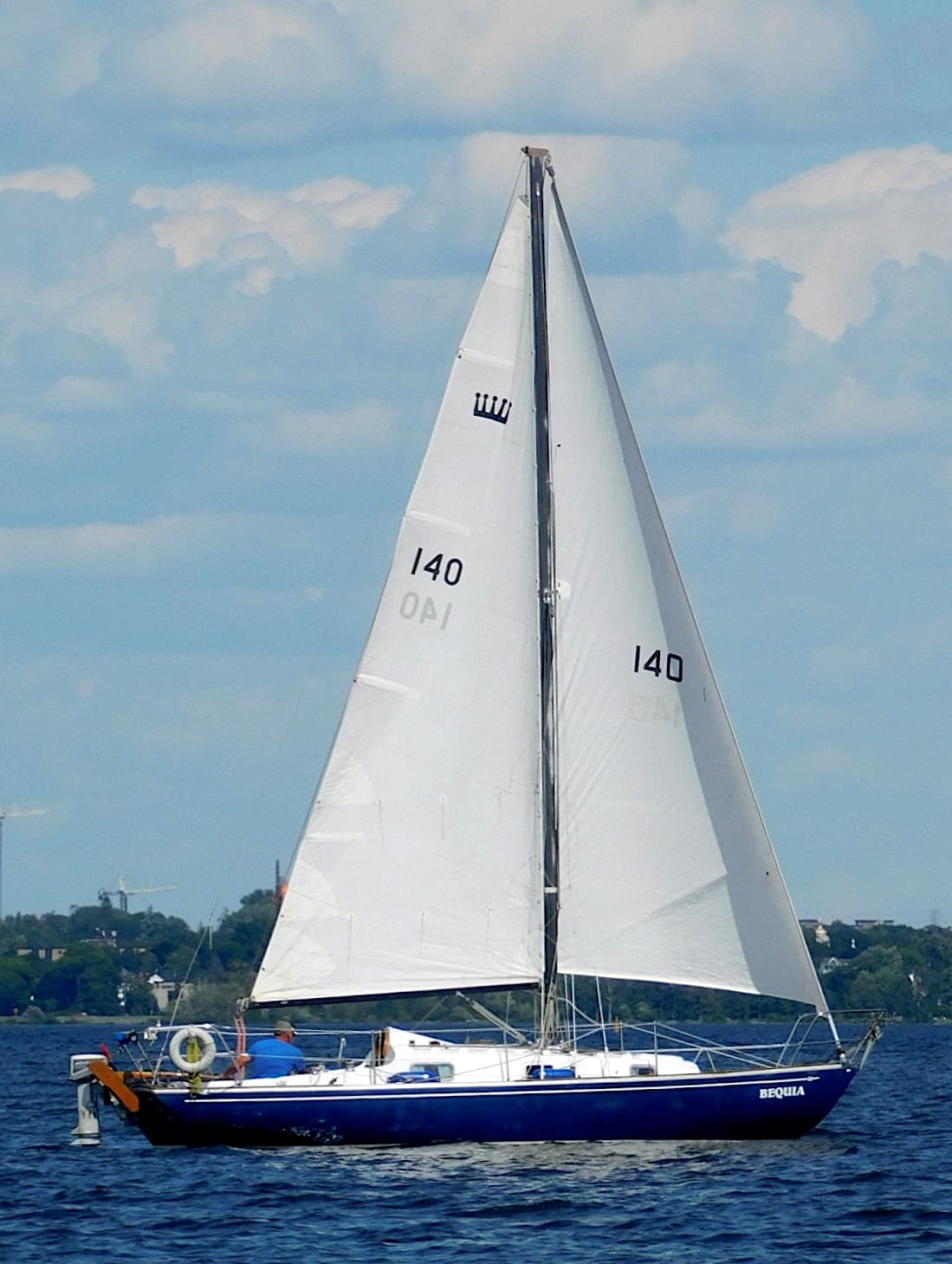
The mistake with a Contessa 26 is treating it like a museum piece. This is a 60-year-old boat, but owners keep repairing, upgrading, and sailing it for a reason: the structure is honest, the class history is real, and the support network is still active enough to make the work worth doing. Launched in April 1966, the Contessa 26 has stayed relevant because it was built to be used hard, then kept alive by people who understand what a compact cruiser-racer should do.
Why the design still rewards a refit
The Contessa 26 grew out of the Folkboat family and out of a very practical boatbuilding mindset. Jeremy Rogers started with wooden boats, built his first yacht in a garage in Lymington, then moved into a proper shed and experimented with cold-moulded construction before turning to GRP production. That matters because the boat was never just an idea on paper. It came from hands-on building, and that usually shows up in a design that makes sense when you have to maintain it yourself.
The boat’s reputation was not built on nostalgia. Around 800 Contessa 26s were built, which is enough to keep the boat visible in marinas and club conversations, but not so many that it becomes disposable. The mix of scarcity and familiarity is part of the appeal for DIY sailors: you are not working on an orphan, but you are also not dealing with a boat so common that every shortcut has already been stripped out of it.
What the structure tells you before you spend a pound
One of the reasons the Contessa 26 still earns refit attention is the hull concept. The design used a robust, rigid triple-skin hull that could save weight by needing fewer frames and stringers. For an owner, that is not just an engineering detail. It changes the way you think about durability, load paths, and where the boat’s strength actually comes from.
In practical refit terms, a strong hull structure is a gift, because it can reduce the sense that you are always chasing structural weakness in every corner of the boat. That does not mean the boat is maintenance-free. It means you are starting from a platform that was built with enough backbone to justify serious work, whether you are planning club racing, coastal cruising, or longer passages. If you are deciding where to put time and money, this is the kind of structure that makes a deep refit feel rational instead of indulgent.
The sailing record is part of the maintenance case
The Contessa 26 is not only admired because it looks right at the dock. The class history includes trans-ocean and global passages, which tells you the boat has been trusted in conditions far beyond an afternoon beat. That record matters when you are deciding whether a repair is worth it, because boats that keep showing up offshore tend to reward owners who keep them properly sorted.
Its racing history also helps explain the loyalty. Jeremy Rogers says Contessa 26s won the Round the Island Gold Roman Bowl five times, with Rosina responsible for three of those wins. That is the kind of record that keeps a boat alive in real conversation, because it says the design can still do something, not just occupy a berth. For a DIY sailor, that is the difference between restoring a relic and maintaining a boat with a point of view.
Why the owner community matters as much as the laminate
Aging boats are as much about information as they are about fiberglass. The Contessa 26 Association says the class has an impressive history of trans-ocean and global passages, but the more useful modern detail is the forum. It is managed by “Contessa Owners for Contessa Owners” and described as a virtual yacht club and a technical knowledge base, which is exactly what you want when the fleet is aging and each owner is trying to solve the same small, annoying problems without reinventing the wheel.
That kind of community support is not fluff. It changes the economics of ownership because it reduces guesswork. When a class has accumulated owner knowledge, you spend less time guessing at old repairs, layout changes, or supplier dead ends, and more time fixing the boat correctly the first time. The 2015 plan for a 96-page full-color hardback book compiled from owners’ contributions, plus the 50th anniversary rally in Lymington in 2016, shows the class has been building its own archive for years.
Know which version you are buying and maintaining
Not every Contessa 26 is identical, and that matters when you start planning repairs. A Contessa 26 information page notes that the Canadian JJ Taylor version received significant deck and interior redesigns in 1983. That means a buyer or refitter should not assume every boat in the fleet shares the same arrangement, hardware choices, or maintenance priorities.
This is where a DIY sailor earns the bargain. If you are comparing a UK-built boat with a Canadian one, or looking at an older boat that has already seen years of owner changes, the job is to understand what is original, what was altered, and what still deserves proper attention. Deck details and interior layout may not sound glamorous, but those are exactly the areas where a tired older boat starts to cost real money if you ignore them.
The Contessa name still carries weight because the family did
The Contessa 26 did not become famous in isolation. The Contessa 32 followed as Jeremy Rogers Ltd’s next major success, with around 500 built overall, including 87 under licence in Canada. Its reputation was cemented after the 1979 Fastnet Race, and that helped make Contessa a brand associated with seaworthiness and adventure. That matters to the 26 because the smaller boat inherited some of that credibility in the minds of owners, racers, and buyers.
Even when you are focused on a single boat, that brand story affects practical ownership. It helps explain why parts of the sailing world still look at the Contessa 26 as a serious boat rather than a quaint one. It also explains why you can still find people willing to put proper effort into one instead of writing it off as too old to matter.
The Contessa 26 still earns its place because the expensive mistakes are easier to avoid when the boat starts from strong fundamentals. The hull structure is sound, the owner base is organized, the production history is deep, and the offshore record is not imaginary. For a DIY sailor, that is exactly the kind of old design worth keeping in the game.
This article was produced by Prism’s automated news system from verified source data, official records, and press releases, then run through automated quality and moderation checks before publishing. The system is built and supervised by the people who set the standards it runs under. Read our full AI policy.
Know something we missed? Have a correction or additional information?
Submit a Tip