Cruising Association campaign targets poorly marked fishing gear, urges safer seas
A fouled pot line can jam a prop, knock out steering and turn a passage into an overboard emergency. The Cruising Association is pushing marked gear, reporting and tougher rules.
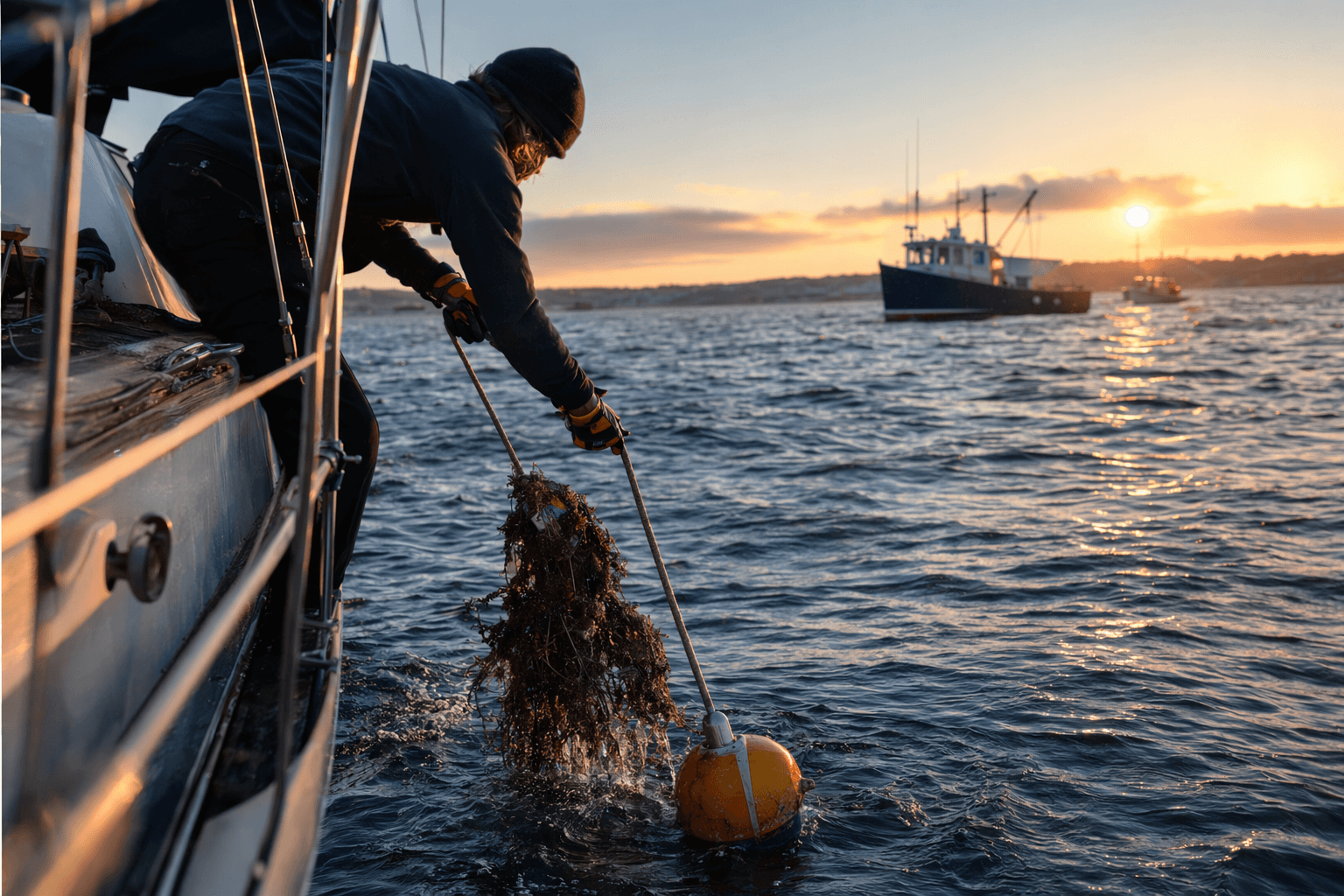
A lobster pot line does not stay a nuisance for long. It can wrap a propeller, load up the rudder, spoil steerage and shove a boat toward a lee shore, then leave the crew making a grim, improvised clearance job with a boat hook, a taped-on knife or, in the worst case, a trip into the water.
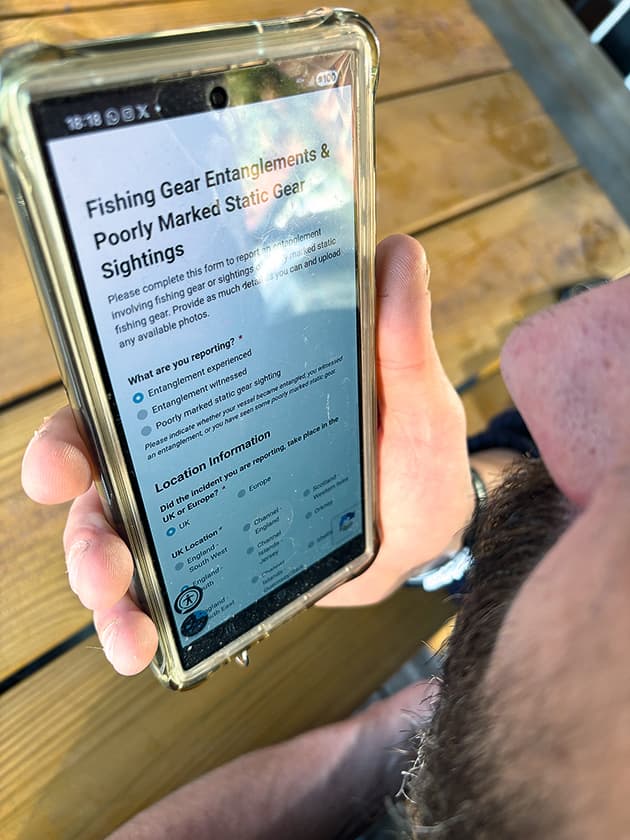
That is the problem behind the Cruising Association’s Marked Gear = Safe Gear campaign, which has put poorly marked static fishing gear back on the agenda with a clear demand: better marking, better data and enforceable government rules. The CA said the campaign will publish incident reports, work with fishing and boating communities, and push for regulation that actually sticks. It has alliance backing from the Royal Institute of Navigation, Practical Boat Owner, Yachting Monthly and the Westerly Owners’ Association.
The issue is hardly new. The CA’s 2018 petition on lobster pots and small craft safety gathered 10,770 signatures, and the Maritime and Coastguard Agency later formed a working group. That group’s report, published on 11 September 2024, brought together the National Federation of Fishermen’s Organisations, Royal National Lifeboat Institution, Marine Management Organisation, Association of Inshore Fisheries and Conservation Authorities, Seafish, the Cruising Association, UK Harbour Masters Association, Royal Yachting Association and Defra. The 2024 review said it would look at marker design, affordability, safety, environmental impact, technological developments, and the link between licensing and visibility. The CA says the resulting guidance is widely recognised and followed by many fishermen, but it remains voluntary, and incidents, near-misses and emergency rescues still keep coming in.
Scotland already chose a harder line. Best-practice creel-marking guidance was published in August 2018 for creels within 12 nautical miles of Scottish baselines, and the Marking of Creels (Scotland) Order 2020 came into force on 20 June 2020. That order requires marker buoys designed for the job and a clearly displayed vessel Port Letter and Number, while banning makeshift markers such as milk cartons and netted footballs. The Scottish Government says the point is to reduce accidental gear conflict and propeller-shaft entanglement.
For skippers, this is not abstract policy. It is route awareness, line-cutting prep and post-strike inspection, with a hard look at propeller blades, shaft seals, steering loads and any damage before the next leg. The practical value of the campaign is simple: more reporting, better visibility and fewer situations where a crew has to choose between breaking gear or entering the water to clear it. Safer marking means fewer fouled props, fewer dead stops and fewer passages turned into emergency repair jobs.
This article was produced by Prism’s automated news system from verified source data, official records, and press releases, then run through automated quality and moderation checks before publishing. The system is built and supervised by the people who set the standards it runs under. Read our full AI policy.
Did this article answer your question?


