Cruising logs keep sailing’s human story alive, says Dick Durham
A cruising log needs more than fixes and headings. Durham argues the comment box is where seamanship, fear, and wonder survive the machine.
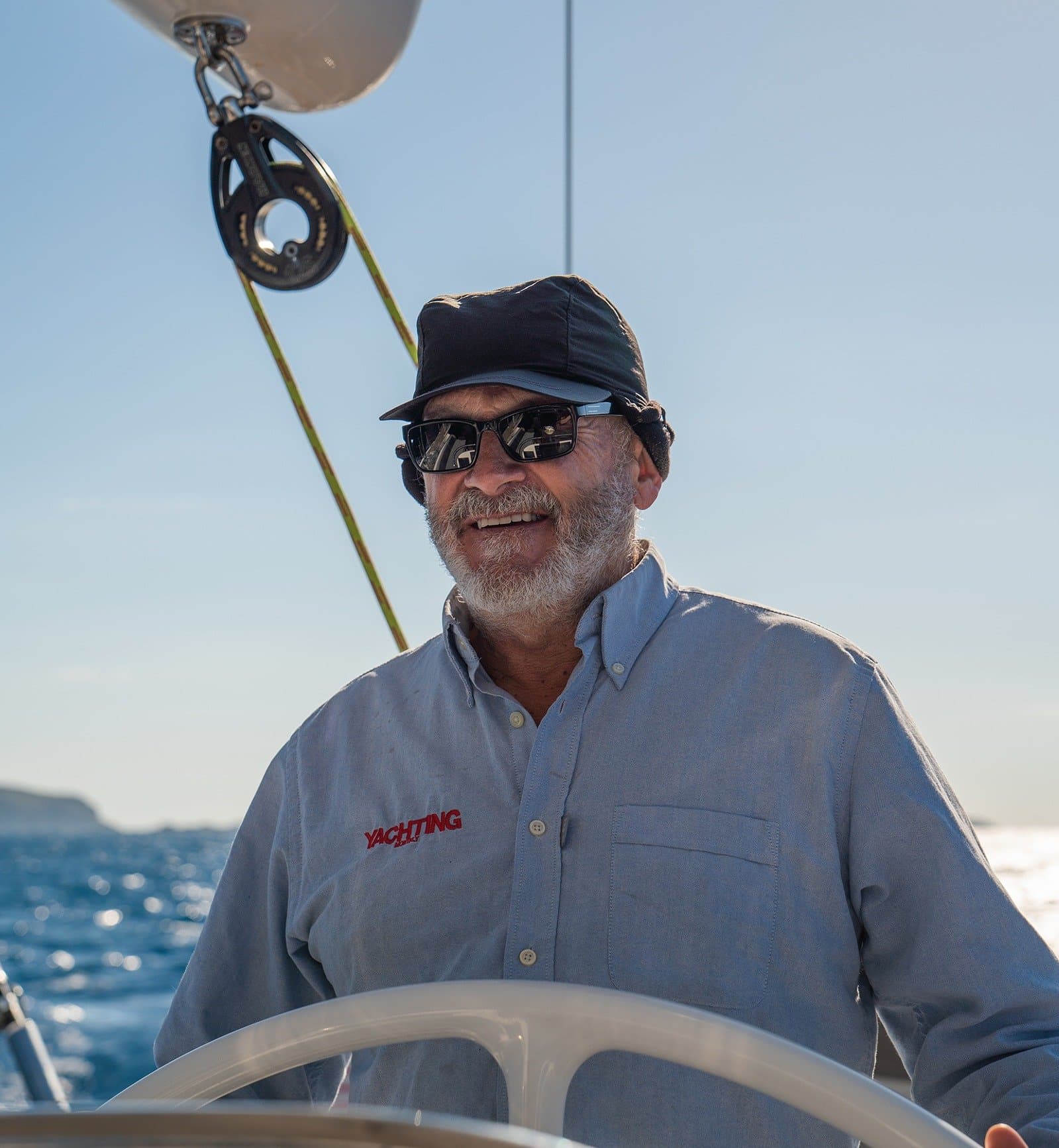
The log entry that matters most is not the one with the neatest track
A GPS track can tell you where you were. A proper cruising log tells you what it felt like to be there. Dick Durham’s central point is blunt and useful: date, time, position, and course are the hard data, but the comment section is where the truth of the voyage lives.
That is exactly why the Cruising Association’s log awards still matter. The competition has been running since 1910, when the Love Cup was introduced, and the CA still treats it as a living cruising tradition rather than a one-off writing contest. The 2025 winners were announced on 25 March 2026, after the annual Hanson Lecture, with CA President Robin Baron and Durham presenting the awards at CA House in London.
Why the best logs read like a voyage, not a spreadsheet
The CA says the competition exists to celebrate inland, coastal, and offshore voyages, and to keep knowledge, experience, and inspiration moving through the cruising community. That matters because a log that only records coordinates is useful to the plotter, but forgettable to the sailor. Durham’s argument is that seamanship is lived, not just measured, and the lived part is where the story starts.
He also notes a clear bias toward Scottish waters, and the images that stay in the mind are exactly the kind no spreadsheet can hold: a stag on Rum, an orca around Canna, golden eagles over The Shiant Isles. Those details are not decorative. They are the proof that a log can carry navigation, wildlife, weather, and memory in the same pages, without losing any of them.
Honesty is still the sharpest tool aboard
The 2025 judges made the same point from a different angle. They praised logs that were candid about mishaps and practical about seamanship, which is the right standard for any boat diary worth keeping. Boyd Holmes’s account, *Aground on Rocks in North Bay, Isle of Barra, during the CCA Western Isles Cruise*, stood out because it did not hide the bad moment. Mark Sweetnam’s *Two Summers in Norway* showed the same value in a different register: a well-told cruising account can earn its place by being honest, vivid, and useful, not by sounding polished.
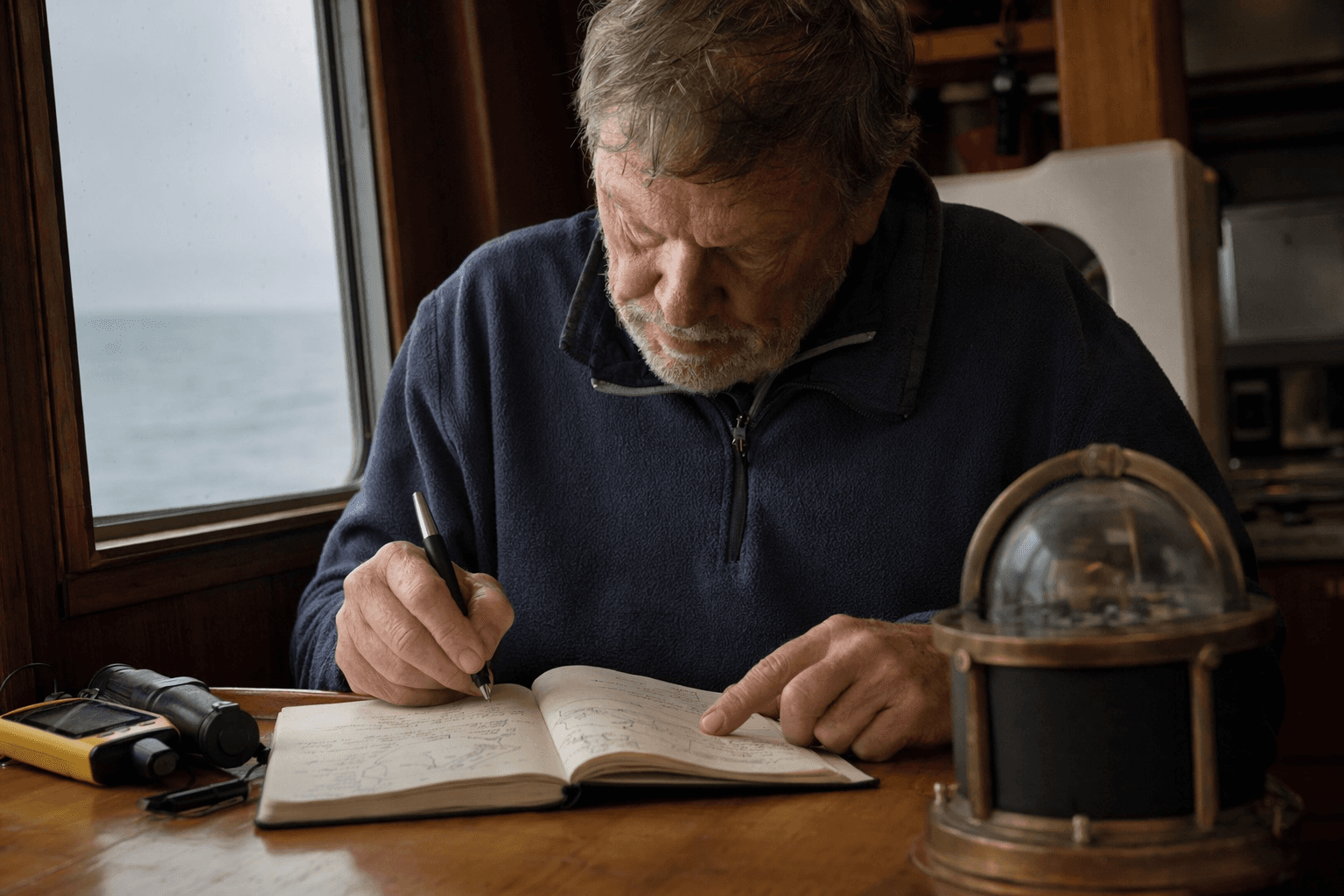
That should matter to anyone who keeps a ship’s log by hand or on a tablet. If the boat touches bottom, the log should say what happened, what you saw, what you decided, and what you learned. That is not self-criticism for its own sake. It is how cruising knowledge gets passed on in a form that another skipper can actually use.
The machine can record the track, but not the moment
Durham’s warning is not anti-tech nostalgia. It is boundary-setting. He says video and social media can be “corrupted by AI,” and that is the key distinction: a digital record can be slick, fast, and convincing without being true in any meaningful seamanship sense. The sea is full of things that only make sense when you felt them in real time, with the boat moving under you and the weather changing by the minute.
That is the gap electronics still cannot close. A chartplotter can show the turn. An app can save the route. Neither one can explain the hesitation before a landfall, the smell of rain on a squall line, the tension in the cockpit when a grounding becomes a rescue, or the relief when the crew finally gets the boat clear. The log comment section, not the data field, is where those things belong.
How to write a cruising log that still means something later
If you want your own logbook to hold up, keep the structure simple and human:
- Write the facts first: date, time, position, course.
- Add the conditions that shaped the day, especially wind, visibility, sea state, and crew fatigue.
- Name the decision points, such as a grounding, a diversion, or a call for help.
- Record the odd, memorable details, like wildlife, light, or the shape of the coast, because that is what turns a passage into a memory.
- Leave room for your own voice. A log that sounds copied and cleaned up has already lost something important.
That approach is exactly in line with the CA’s updated 2025 categories, including the Love Cup for short cruise logs and the Dugon Cup for small boat cruise logs. The point is not length or literary polish. The point is to make a record that another sailor would trust.
Durham’s authority comes from the kind of sea time that cannot be faked
Durham is not making this argument from armchair sentiment. He started sailing at 12, served on the last working Thames barge, joined *Yachting Monthly* in 1998, and is now editor at large. He also spoke on the CA stage in the Hanson Lecture, *Confessions of a Cruising Correspondent*, which fits the theme perfectly: a cruising life is built from what was seen, what was survived, and what was learned along the way.
That is why the old-fashioned ship’s log still has a future. The machine can preserve the route, but only the sailor can preserve the meaning. When the sea throws up a stag on Rum, an orca off Canna, or a grounding in North Bay, the numbers are just the skeleton. The human story is what gives the voyage its pulse, and that is the part worth keeping.
This article was produced by Prism’s automated news system from verified source data, official records, and press releases, then run through automated quality and moderation checks before publishing. The system is built and supervised by the people who set the standards it runs under. Read our full AI policy.
Did this article answer your question?


