DIY furler overhaul saves Beneteau Oceanis 381 owner £500
A buried forestay turned into a £500-saving teardown, and the real win was finding hidden wear before it became a rigging failure.
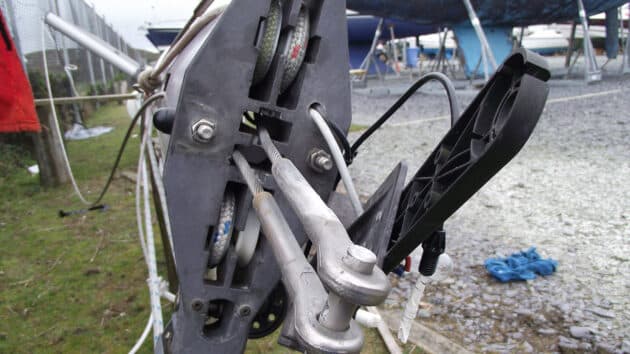
Stu Davies took the kind of job that usually sends owners straight to the yard and opened it up himself. On his Beneteau Oceanis 381, the forestay sits buried deep in the furler, and a professional replacement would have cost around £500. By stripping the system and overhauling the mast and furler together, he turned a single symptom into a proper inspection, which is exactly where these jobs pay off.
Why this furler was worth opening
The temptation with a sticky or tired furler is to treat the visible problem and move on. That is the wrong instinct on an older cruising boat, especially when the headstay disappears into the foil and drum where you cannot see corrosion, wear, or sloppy alignment until you take the whole lot apart. Once the furler is on the bench, the job stops being mysterious and starts looking like normal mechanical work: clean it, inspect it, reassemble it in the same order, and do not force anything back into place.
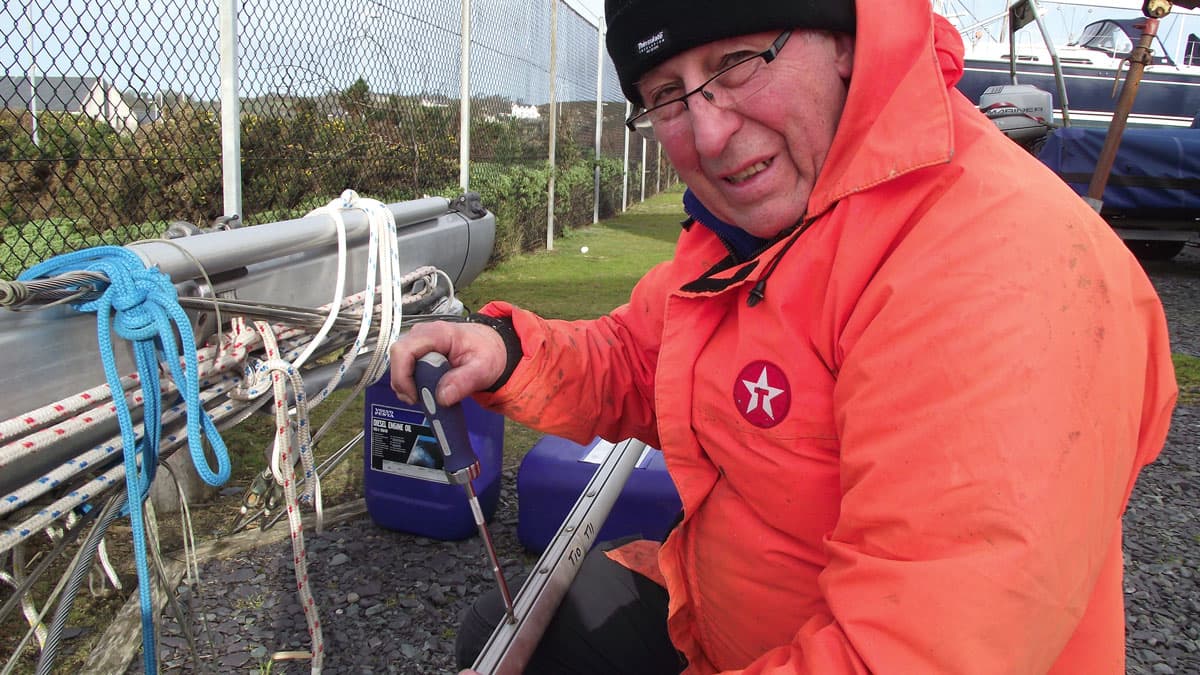
Davies is a good model for this kind of job because he is not a casual weekend tinkerer. He spent most of his working life as an oil field maintenance engineer in Africa and the Middle East, has been sailing for more than 20 years, and owns a Beneteau 381 based in Portugal. A furler overhaul rewards exactly the habits an engineer builds: method, patience, and respect for how small errors turn into bigger ones when a sail starts loading up the gear.
Know the boat before you touch the rig
The Beneteau Oceanis 381 is a 38.6-foot cruiser designed by Berret-Racoupeau Yacht Design and built by Beneteau from 1996 to 2000. It is commonly rigged as a masthead sloop with a furling headsail, which is a familiar setup for anyone working on cruising boats from that era. It is also why this repair feels so familiar across the fleet: once the forestay is hidden inside a furling system, you lose easy visual access to one of the most important pieces of standing rigging.
If the furler is original to the boat, the headstay inside it may be just as old, and that is where the hidden risk lives. Standing rigging often falls into a 10- to 15-year replacement window depending on use and environment, so a 1996 to 2000 boat is well into the age range where close inspection stops being optional.
The overhaul sequence that keeps the parts in line
A furler rebuild is not a job to rush or improvise. The most common way DIY owners lose the thread is by mixing up the order of parts, forgetting how a bearing stack sat, or letting a small fitting disappear just when it is needed at reassembly. Working methodically is not just neatness. It is how you avoid creating a new problem while fixing the old one.
A sensible sequence looks like this:
1. Support the rig properly before you start.
The forestay is structural, so do not treat the furler like decorative hardware. Get the mast and rig safely secured before the foil, drum, or terminal comes apart.
2. Strip the furler in the order it came off.
Keep the components laid out in sequence, especially the nuts and bolts for the turning stanchion blocks, the Sta-Lok terminal, and any spacers or washers. If you mix those up, reassembly becomes guesswork.
3. Inspect the hidden surfaces before you clean them.
Look for pitting, fretting, cracks, chafe marks, and signs that parts have been moving when they should not have been. If the drum or foil has been rubbing in the wrong place, that is the moment to catch it.
4. Reassemble only when the line runs and foil line up cleanly.
The furling line, pre-feeder, and foil sections all need to sit correctly for the sail to hoist and furl without binding. If alignment feels forced on the bench, it will feel worse under load.
That sequence matters because the furler is not just a convenience device. It is part of the forestay system, and the whole assembly has to work together. A good teardown is less about making the sail roll up smoothly and more about restoring a reliable load path from stem fitting to masthead.
What to inspect while it is apart
The real value of the teardown is what you can finally see. Once the furler is off, you can inspect the forestay itself rather than guessing from the outside, and you can check for corrosion or damage where moisture tends to linger. Removing the furler is often the only practical way to inspect a forestay that otherwise cannot be seen.
That is also where smaller jobs stop being small. A Furlex system can come as a complete package including a replacement forestay, nuts and bolts for the turning stanchion blocks, a Sta-Lok terminal, furling line, and even a pre-feeder. When a system is that integrated, you are not just swapping one worn part. You are looking at the whole running-and-standing-rigging interface, and that is where old lines, tired terminals, and marginal fittings all start showing their age at once.
Replacing old, tired lines is a critical job for any sailboat owner. On a furler project, that is not a side note. It is part of the same maintenance logic, because worn control lines and corroded standing rigging often show up together on boats that have spent years under load.
Why the money saved is only part of the win
The money saved is real on any cruising boat. The deeper value is that the overhaul forces you to deal with hidden wear before it turns into a jammed furler, a chafed forestay, or a rigging failure at the worst possible moment.
This article was produced by Prism’s automated news system from verified source data, official records, and press releases, then run through automated quality and moderation checks before publishing. The system is built and supervised by the people who set the standards it runs under. Read our full AI policy.
Know something we missed? Have a correction or additional information?
Submit a Tip