Recycling derelict boats in the Pacific Northwest costs thousands
End-of-life boat disposal in the Northwest can run around $6,000, but salvage, free turn-ins, and state funding can keep a derelict hull from becoming a marina headache.
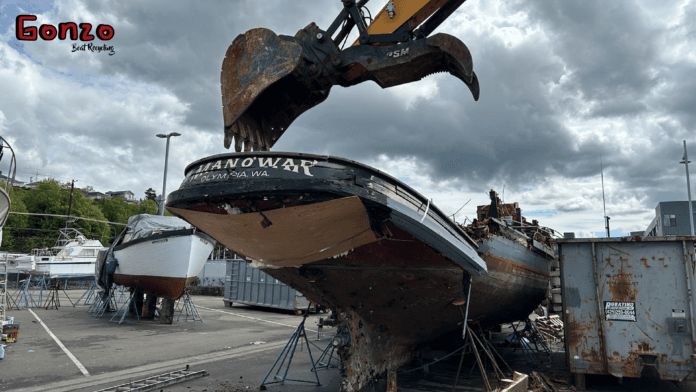
Recycling a fiberglass boat in the Pacific Northwest costs about $6,000, a figure Practical Sailor published on June 22, 2026 and one that helps explain why so many tired hulls sit on trailers, in back lots, and behind shops for years.
When a project boat stops being a project
That $6,000 figure is the reality check every buyer of a neglected sailboat needs before money changes hands. A boat that looks cheap at the dock can become expensive the moment you add hauling, stripping, transport, and responsible fiberglass processing. The warning not to bite off more than you can chew lands hard in a hobby where optimism is cheap and disposal is not.
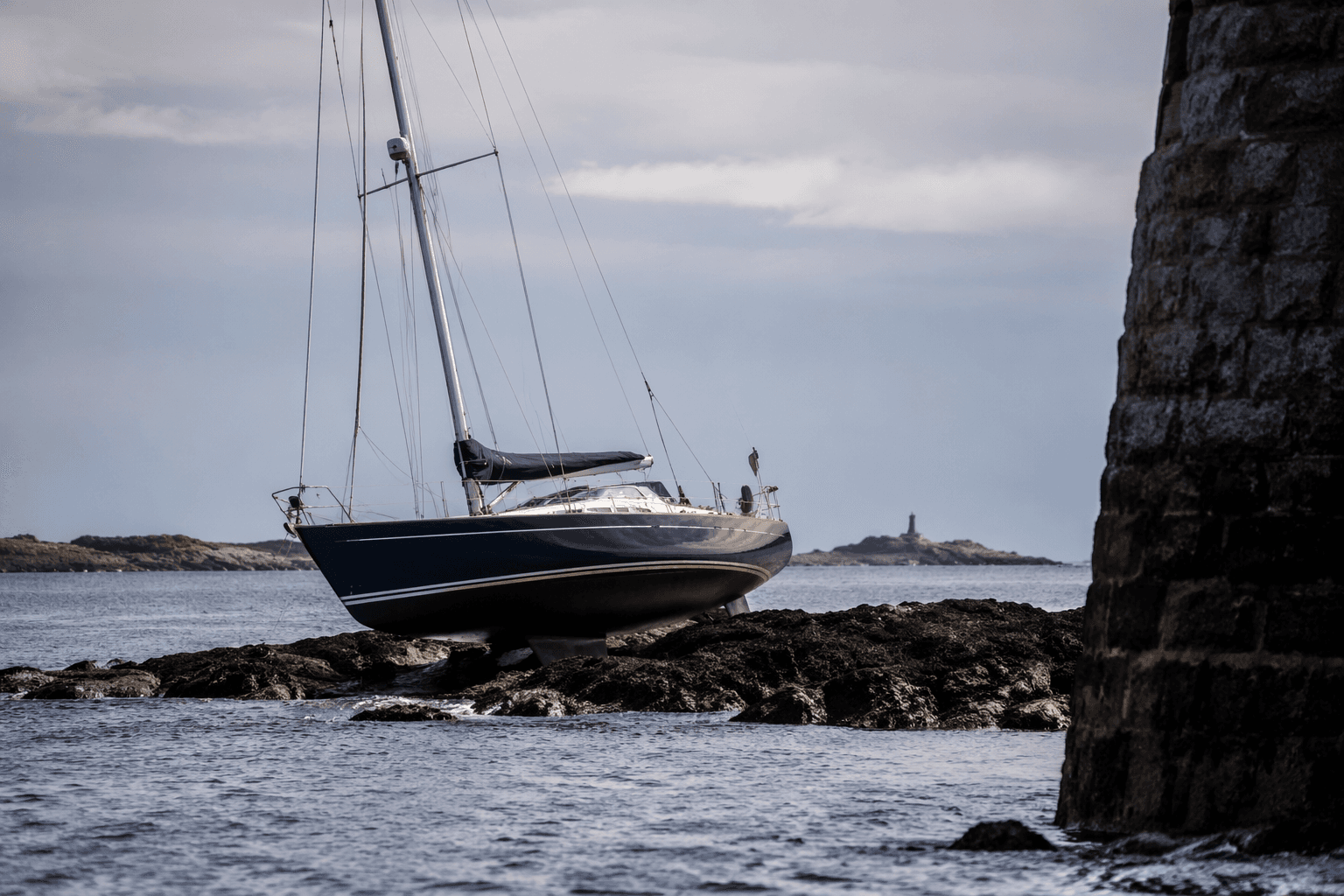
End-of-life planning belongs in the same conversation as rigging, laminate repairs, and engine work. If you are looking at a rescue boat, you need to ask two questions, not one: can it be saved, and if it cannot, how will it be removed without turning into a permanent possession? That second question is where a lot of DIY ambition runs aground.
Recycling is not just dumping a hull
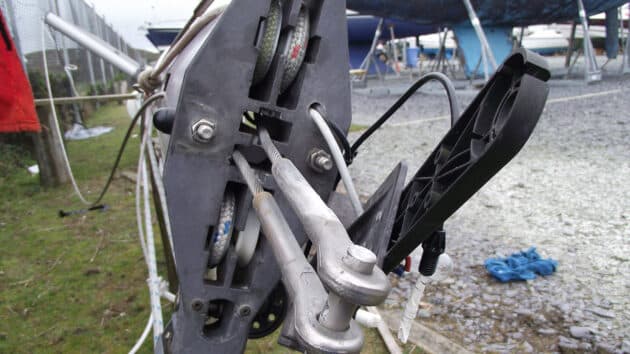
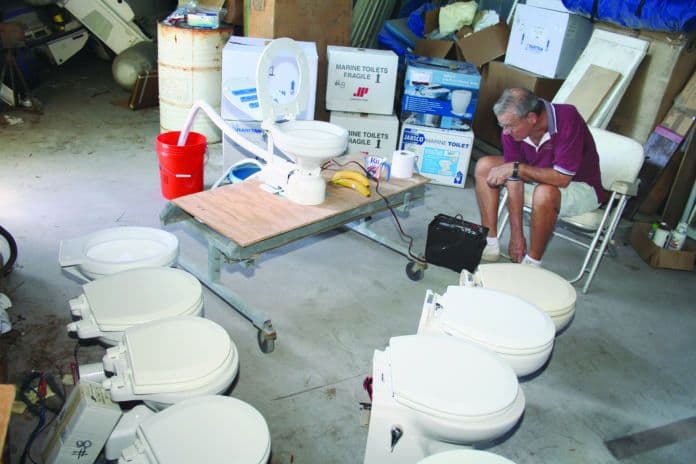
Demolition is not the same thing as waste. A derelict fiberglass boat still carries value in the right places, and salvaged hardware such as winches, engines, and lead keels can be recovered and redirected into further use. That changes the job from simple disposal into material recovery, which is a better fit for the way sailors actually think about gear.
For owners tearing down a tired boat, that means the work starts with a strip-out, not a bash-and-haul. Winches, spars, standing rigging, engine components, and ballast may all have separate paths if they are removed carefully enough to be reused safely. Once the useful gear is gone, what remains is usually a much more expensive and awkward fiberglass shell that still has to be cut, moved, and processed.
Washington has a real off-ramp before a boat becomes derelict
Washington’s Department of Natural Resources gives owners one of the clearest routes out of trouble: the Vessel Turn-in Program. If you qualify, you can dispose of a vessel for free before it becomes derelict, a considerably less expensive and less damaging option than waiting until the boat has turned into a public nuisance.
The program’s funding structure matters too. Washington’s 2020 Legislature removed the Vessel Turn-in Program’s $200,000 spending cap in SB 6528, and that change took effect June 11, 2020. Washington’s current derelict-vessel funding page, updated May 1, 2026, lists a $20.6 million total budget for the 2025-2027 biennium across watercraft excise tax, vessel-registration revenue, NOAA marine debris grants, and state capital funds.
Oregon treats removal as a heavy lift, not a simple tow
Removing abandoned or derelict vessels requires significant resources for salvage, transportation, hazardous-material abatement, dismantling, and disposal. That list is the part most first-time owners underestimate, especially if they are picturing an old boat as little more than a fiberglass shell and some rotten core.
Many recreational vessels cost thousands to remove, while former commercial or military vessels can become multimillion-dollar projects. That is not a theoretical warning. It is the difference between a weekend cleanup and a major disposal operation, with heavy equipment, specialty labor, and environmental handling layered into the bill.
Why fiberglass is such a stubborn material to get rid of
The basic problem is economics. Fiberglass recycling is often more expensive than landfill disposal, which pushes owners toward the cheapest short-term option even when it is the worst long-term outcome. NOAA is trying to improve the system by building on a pilot program that recycled 60 tons of fiberglass material, with a focus on better collection, dismantling, shredding, and transportation.
The material is bulky, stubborn, and expensive to process, which is why abandoned boats linger when owners run out of time or cash. The practical result is familiar in every boatyard: a hull that looked salvageable five years ago is now a disposal problem with more weather damage, more cleanup, and fewer parts worth saving.
The owner roadmap that keeps trouble from piling up
If you are buying, restoring, or inheriting a neglected boat in the Pacific Northwest, the smartest move is to plan the exit before the first wrench turns. Start by figuring out whether the boat qualifies for Washington’s free turn-in route, or whether a similar state pathway exists where it sits. If the boat is still worth stripping, pull the reusable hardware first so the recycling side is smaller and the recovery side is cleaner.
A workable checklist looks like this:
1. Inspect the hull with an honest eye for structural damage, rot, and cost.
2. Identify salvageable parts like winches, engines, and lead keels before demolition.
3. Check state options for turn-in, removal, and funding assistance.
4. Budget for hauling, hazardous-material handling, dismantling, and final disposal.
5. Decide early whether the boat is a restoration or an end-of-life project.
This article was produced by Prism’s automated news system from verified source data, official records, and press releases, then run through automated quality and moderation checks before publishing. The system is built and supervised by the people who set the standards it runs under. Read our full AI policy.
Know something we missed? Have a correction or additional information?
Submit a Tip