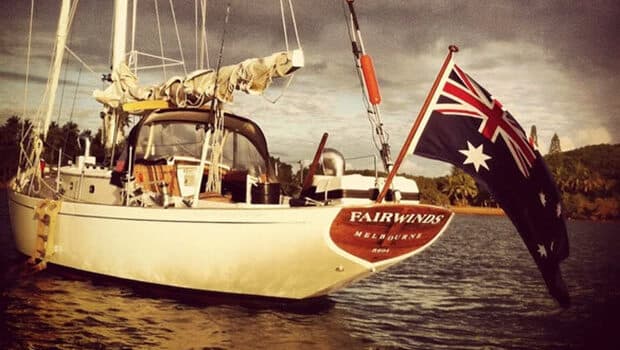
Drag-proof anchoring system keeps Britannia secure through rough nights
A drag-proof setup turns anchoring into a routine, not a midnight rescue. Roger Hughes's tandem-anchor method on Britannia shows how boring can be safer.
The worst anchoring failure is the one that wakes you at 3 a.m.
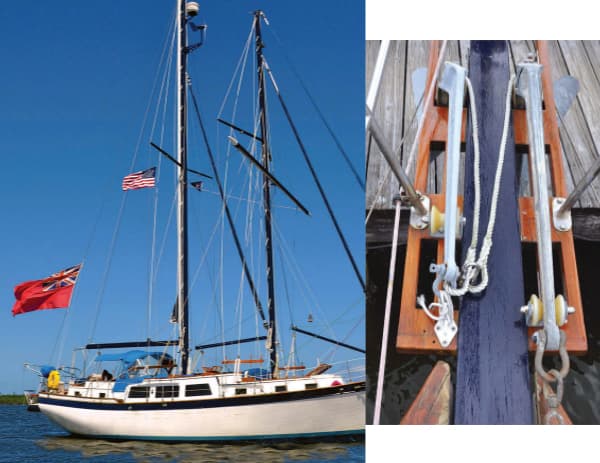
Nothing ruins a night at anchor faster than the boat starting to skate when the wind shifts, the rain comes sideways, and everyone is already half asleep. That is the fear Roger Hughes writes from: not the romance of anchoring, but the ugly reality of having to haul a dragging anchor in the dark, in bad weather, with no time to improvise. His answer is not a trick, it is a system, and years later he is still using it on Britannia, his 45-foot schooner.
That matters because anchoring is one of those jobs people love to overcomplicate with seamanship lore. Hughes’s approach pushes in the opposite direction. Make it secure. Make it repeatable. Make it boring enough that you do not have to think about it again after sunset.
What changed on Britannia
The core of Hughes’s method is simple: two anchors joined together in tandem. Britannia’s own description says the setup is meant to work for both powerboats and sailboats, which is a useful clue that this is not some one-off schooner gimmick. It is a practical arrangement built to be repeated, not a custom stunt built for a single harbor.
That is also why the story lands. The important detail is not just that the boat carries anchors. It is that the anchoring plan itself has been treated as a system. In practice, that means the skipper is not relying on one piece of gear to save the day. He is combining anchor choice, set, and routine so the whole arrangement resists drag from the start.
Why tandem anchors beat wishful thinking
A single anchor can be perfectly fine, until bottom conditions, current, wind shift, or scope turn a decent stop into a bad night. Tandem anchors are a very different mindset. Instead of asking one anchor to do every job alone, the system spreads the load and gives the set more bite when conditions turn ugly.
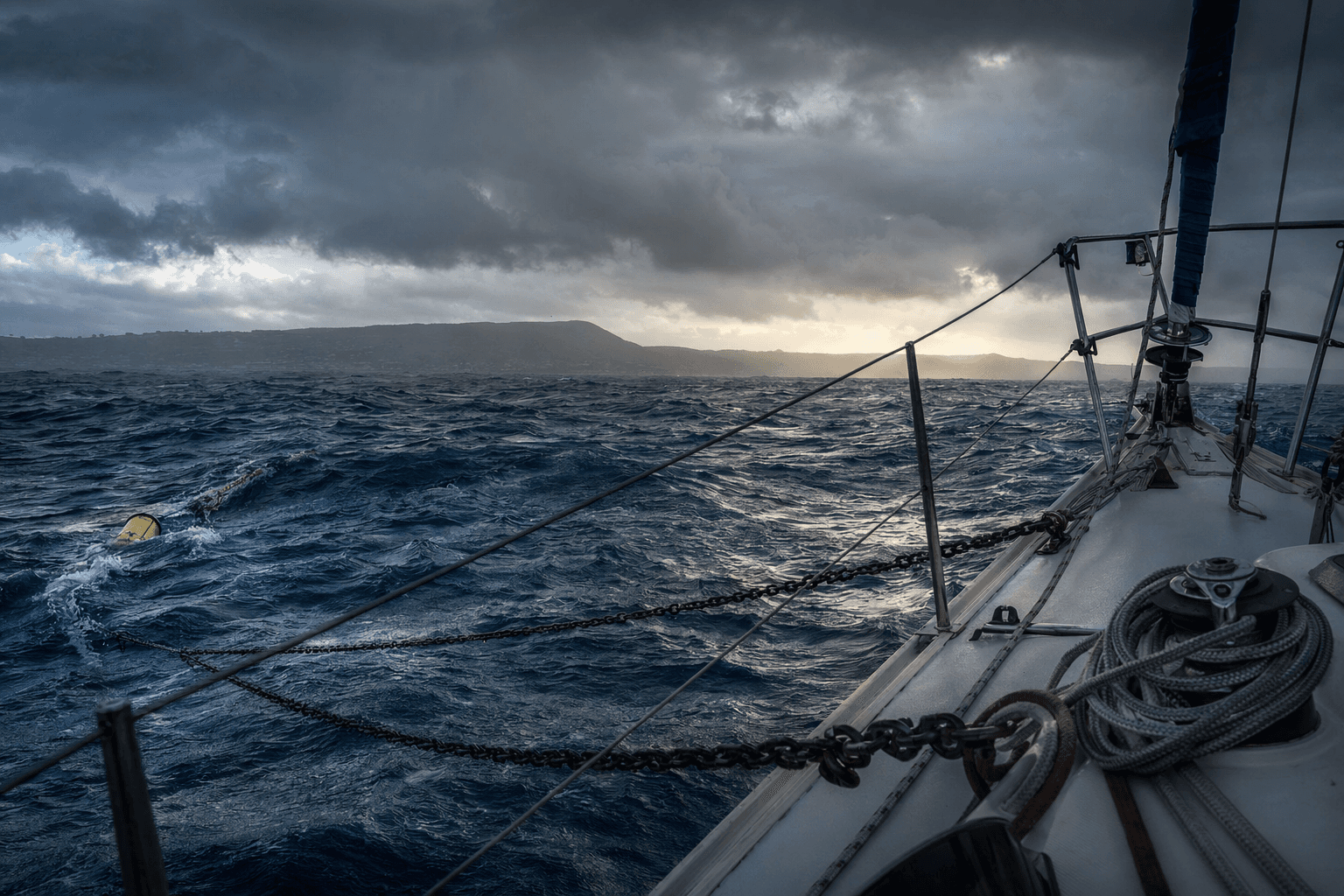
That is where the hardware side of the lesson starts to blend into seamanship discipline. Waterway Guide puts scope alongside anchor size and anchor design as one of the three essential components of preventing dragging. That lines up neatly with Hughes’s broader point: the gear matters, but the way you deploy it matters just as much. If the anchor is the only thing you are thinking about, you are already missing the bigger picture.
- anchor design that suits the bottom you expect
- enough anchor size for the boat and conditions
- scope that is generous enough to let the load settle properly
- a repeatable set process you can do the same way every time
For DIY cruisers, the practical takeaway is plain. Before the overnight, look at the whole package:
That is what makes anchoring boring in the best possible way.
The real cost of dragging is not just embarrassment
Dragging anchor is not a minor inconvenience. Britannia P&I said in January 2024 that it had seen an increase in dragging-anchor incidents in recent years, and it warned that the fallout can include loss of control, loss of anchors or chain, grounding, collision, or damage to property. That is the list nobody wants to test firsthand, because it is not theory. It is the start of a bad night that can become a damaged boat, an injured crew, or worse.
The National Transportation Safety Board gave a sharp example on February 11, 2025, when it said an anchor chain failure caused the grounding of the cargo vessel Bonnie G near St. Thomas, U.S. Virgin Islands. The vessel had been anchored about 1 mile south of St. Thomas while waiting out poor weather on October 4, 2023, when the chain parted. That is the kind of failure that turns a quiet anchorage into a salvage problem in a matter of moments.
The lesson is not limited to big ships. The UK P&I Club described a May 8, 2020 incident in which the cargo vessel Nomadic Milde, anchored in the Mississippi River near New Orleans, Louisiana, began to swing in a current of 4 to 5 knots, dragged anchor, and collided with the bulk carrier Atlantic Venus. The Swedish Club added another February 2026 case study showing dragging anchor leading to a collision that damaged multiple vessels. Different waters, different vessels, same failure mode. Dragging is never just a comfort issue.
How to make your own anchoring routine harder to break
The value of Hughes’s setup is that it encourages repeatability. That is what cruising sailors need when conditions are sloppy and attention is already split between weather, tide, swing room, and whatever else is waiting on the horizon. The goal is not to be clever. The goal is to remove the chances for a bad surprise.
A good routine starts before the anchor goes down. Choose the anchorage with enough room to swing, check the bottom as well as you can, and decide on your scope and anchor arrangement before the boat starts wandering. If you are using a tandem setup, do not treat it like an afterthought. Put the whole arrangement together deliberately, then set it the same way every time so you are not making decisions in the dark.
Then verify the hold early, while you can still act. A reliable drag-proof routine is built around the moment right after the set, not the moment the wind rises at midnight. If the boat is behaving as expected, the set is good, and the system is doing its job, you sleep. That is the whole point.
What to copy before your next overnight
Hughes’s method is worth stealing because it is not glamorous. It is a reminder that serious anchoring is not about bravado, and it is not about buying one magic piece of hardware. It is about choosing gear that fits the job, using the right amount of scope, and building a system that keeps doing the same thing every time the weather changes.
- match anchor design to the bottoms you actually use
- size the anchor for the boat and the conditions you expect
- stop treating scope as optional
- practice a consistent set so the routine is automatic
- consider a tandem-anchor arrangement if you want a more forgiving system
For DIY cruisers, the checklist is simple enough to act on now:
That is how anchoring stops being a nightly gamble. Britannia’s long-running setup shows that the best anchoring system is the one you do not have to think about when the wind picks up at 3 a.m.
This article was produced by Prism’s automated news system from verified source data, official records, and press releases, then run through automated quality and moderation checks before publishing. The system is built and supervised by the people who set the standards it runs under. Read our full AI policy.
Did this article answer your question?