Hybrid Diesel-Electric Systems Offer Benefits but Cost and Complexity Deter Small-Boat Owners
A 40 kWh lithium bank proves hybrid propulsion can work on a 44-footer - but for most small-boat owners, the cost math rarely follows.
A hybrid diesel-electric repower sounds like a clean solution until the quote arrives and you realize the battery bank alone could cost more than the boat. That gap between what hybrid technology promises and what it actually delivers, at realistic small-boat scale and budget, is exactly where Stephen Burnage's recent Practical Sailor analysis lands. Published March 23, 2026, the piece examines diesel-electric and hybrid systems from the perspective of the cruiser or daysailor weighing an actual repower decision, not a boatshow concept. The verdict is pragmatic: these systems work, but the combination of cost and complexity puts them out of reach for most small-boat owners today.
What Hybrid Systems Actually Deliver
The benefits are real and worth naming clearly before getting to the caveats. A diesel-electric or parallel hybrid setup gives you quieter operation under electric drive, the potential for lower fuel consumption on duty profiles that favor short, light-load motoring, and genuine redundancy because you have two propulsion pathways instead of one. The ability to enter a marina under silent electric power, without diesel fumes or noise, is a meaningful quality-of-life upgrade, especially on boats that do frequent short hops between anchorages or spend time in tight, populated marinas. Under some conditions, the ability to recover energy through hydrogeneration when sailing also makes these systems more than just a diesel with a big battery bolted on.
The problem is that each of those benefits comes with a condition attached. Quieter operation only matters if you're motoring in circumstances where noise and emissions are a concern. Lower fuel use under electric drive only pencils out if your motor runs are predictable, short, and within a range the battery bank can actually support. Redundancy only saves you if the second system is reliable and maintainable, and hybrid systems introduce enough new components that the maintenance calculus is genuinely complicated.
The Antares 44: A Case Study in What It Takes
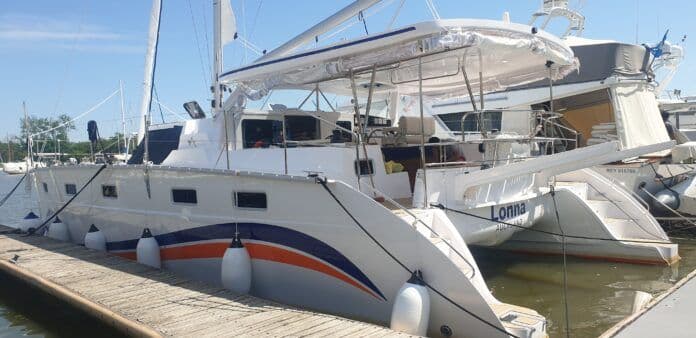
Burnage cites one real-world installation to anchor the discussion in actual hardware: an Antares 44 fitted with a parallel/serial hybrid system backed by a 40 kWh lithium bank. That installation demonstrates the concept works. It also illustrates exactly how much equipment and capital are required to make it work on a 44-foot cruising boat. Forty kilowatt-hours of lithium storage is a serious bank, the kind of installation that demands a thoughtful battery management system, upgraded charging infrastructure, purpose-built mounting, and a service plan.
The Antares 44 example is instructive precisely because it sits at the smaller end of the range where hybrids have begun to appear on production and custom builds. Burnage notes that Practical Sailor has observed hybrid installs on boats ranging from 44 to 60 feet, and even at that scale, the systems are expensive and complex. Scale that same technology down to a 30- or 35-foot sloop and the economics get worse, not better; the boat's available space and electrical architecture are less forgiving, and the same base cost of battery management and drive components gets spread over a smaller platform.
Where Hybrids Make Sense and Where They Don't
The most useful thing the Practical Sailor analysis does is give you a decision framework rather than a feature list. On the "makes sense" side of the ledger: marina-based dayboats that make predictable, short, quiet runs and whose owners have both the budget and the motivation to reduce emissions and noise. If your boat lives in a slip, your typical outing is a few hours in protected water, and you're willing to pay a premium for a quieter, cleaner experience, a hybrid can genuinely deliver.
On the other side: bluewater cruisers who need real range, who are managing tight budgets, and who will be far from any specialist service when something goes wrong. For that profile, the weight of a large lithium bank, the complexity of a hybrid drivetrain, and the uncertain serviceability of advanced battery management components in remote anchorages all argue against it. The honest read is that the cruising sailor who would benefit most from hybrid technology is not the same sailor who is most likely to adopt it, because the sailor with budget flexibility tends to sail bigger, newer boats where the cost is less prohibitive.
The Hidden Costs That Change the Calculation
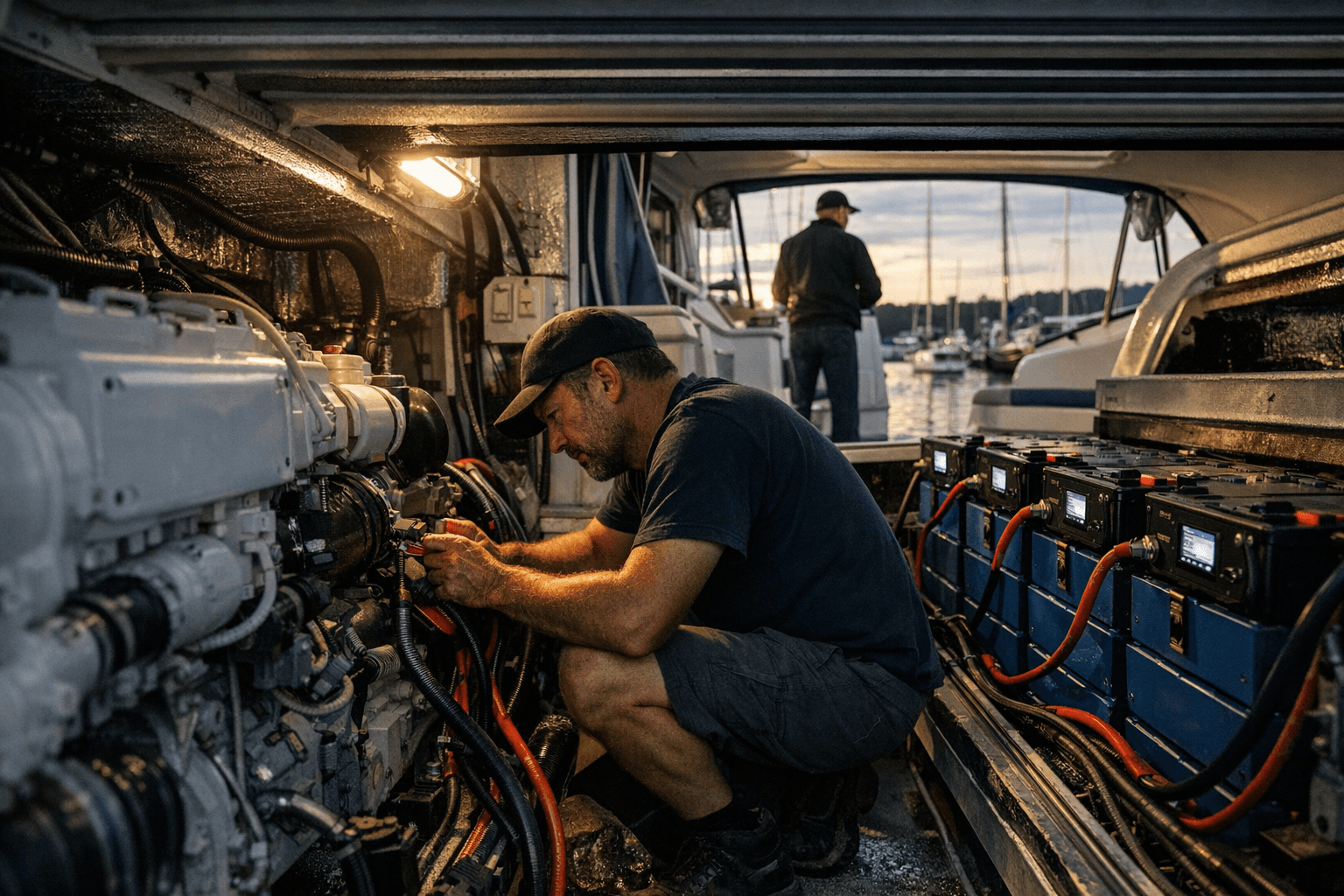
Beyond the sticker price of the drive system and batteries, Burnage highlights a cluster of costs that don't always show up in the initial quote. Advanced battery management systems are not optional, they're safety-critical, and they add both upfront cost and an ongoing maintenance obligation. Upgraded charging systems are required because a hybrid installation demands more from your alternator, regulator, and shore power setup than a conventional diesel repower. Bespoke mounting and integration work is almost always involved, because these systems don't drop into the same footprint as the diesel they replace without significant engineering. And then there's the longer-term liability: hybrid components are still maturing, service networks are thin outside major sailing centers, and the cost of a failed inverter or battery module years into ownership is not trivial.
These are exactly the kinds of costs that are easy to underestimate when you're reading spec sheets and watching manufacturer demos. The installed system on the Antares 44 looks elegant; what you don't see in the photos is the behind-the-scenes electrical work, the custom battery mounting, and the certification and commissioning hours that made it function safely.
The Incremental Alternative
For owners on tighter budgets, the Practical Sailor analysis points toward a different path: incremental upgrades that improve efficiency and electrical capability without the full hybrid repower commitment. The specific recommendations include:
- Improved charging strategy with better alternator and regulator matching, squeezing more usable charge from existing diesel running hours
- Efficient propeller selection, which can meaningfully reduce fuel consumption on a conventional diesel repower at a fraction of the cost of a hybrid system
- Hydrogeneration, which allows a well-configured system to trickle charge offshore while sailing, gradually building the battery state without running the engine
None of these are as dramatic as a full hybrid conversion. But they address the same underlying goals, reducing fuel use, increasing electrical self-sufficiency, cutting unnecessary engine hours, at a cost that lives in the four-figure range rather than the five-figure range that a proper hybrid repower demands.
The Bottom Line
Hybrid diesel-electric technology is maturing, and the Antares 44 installation is proof that it can work elegantly on a performance cruiser with the right budget and the right support infrastructure. But the sweet spot for small-boat DIY conversions remains narrow. The gap between what the technology can do and what makes practical sense for a 32-footer with a constrained refit budget has not closed yet. For most owners weighing a repower decision today, the honest framework that Burnage lays out in Practical Sailor points toward incremental efficiency gains over wholesale electrification, and that's likely to remain true until battery costs drop significantly and the service ecosystem catches up with the technology.
Know something we missed? Have a correction or additional information?
Submit a Tip