Painting an Outboard Motor Protects It from Salt, Sun, and Wear
A chalky outboard cowling is not just ugly, it is the start of a corrosion problem. Repainting pays when the motor runs well and the finish is failing.
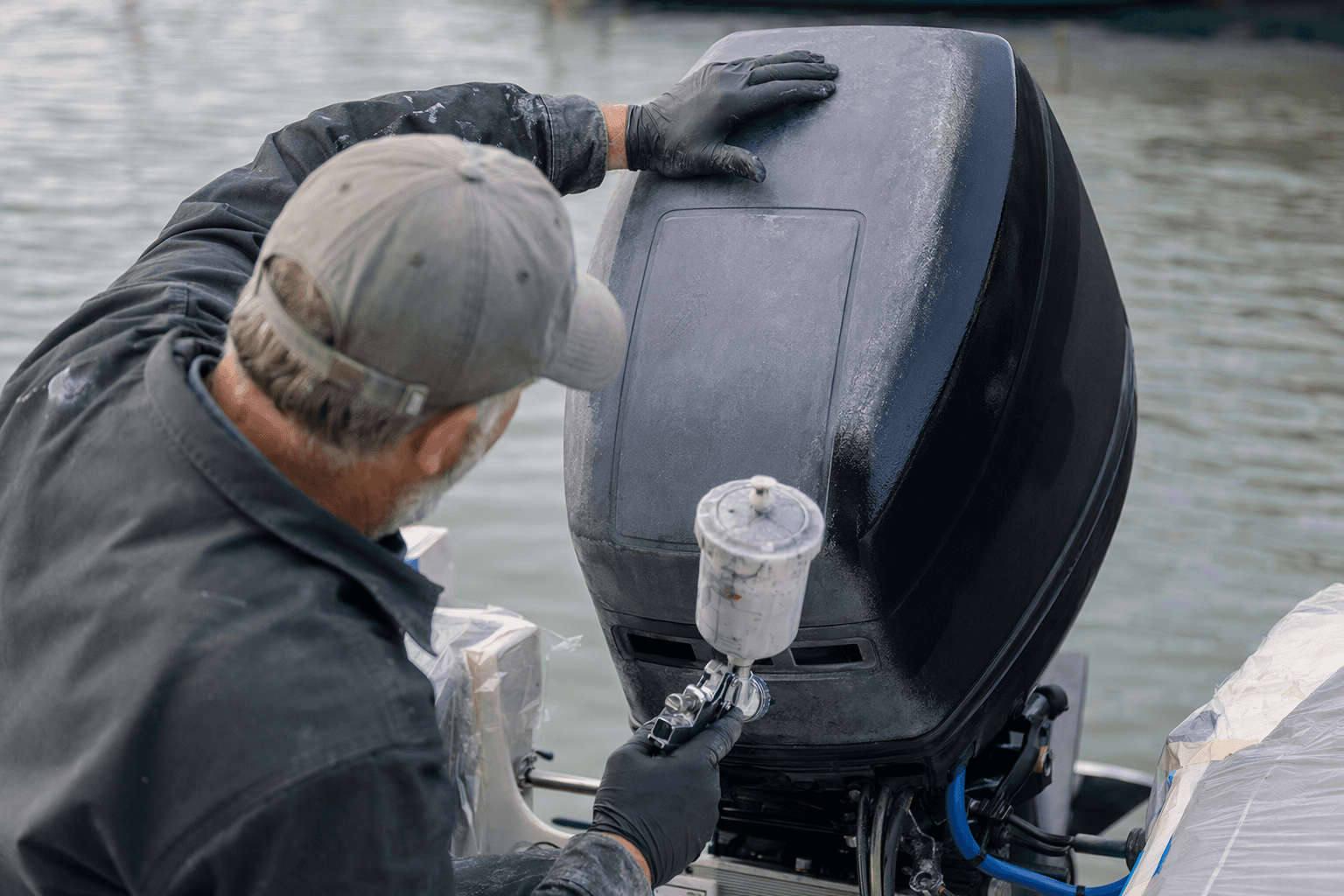
Why an outboard repaint is maintenance, not vanity
A tired outboard makes a whole boat look older than it is. That is the point Jonathan Eldridge drives home in Better Boat’s guide: the hull can still clean up, the rails can still shine, and the vinyl can still look decent, but a chalky, chipped, sun-faded cowling drags everything down. On an aging auxiliary or dinghy outboard, that faded finish is not just cosmetic. It is the coating system between aluminum or painted metal and salt, sun, fuel residue, docking rash, trailering scuffs, and constant wash-downs.
Once the original finish starts chalking or peeling, moisture and salt have more places to settle into scratches and seams. That is where a repaint stops being vanity and starts being corrosion control. Yamaha’s maintenance guidance treats external appearance work as part of regular outboard care, with real longevity benefits and a direct link to resale value. It also makes a point that corrosion mitigation is not a once-a-season idea, even if the motor lives in freshwater.
When repainting is the right call
The best time to repaint is when the engine is still mechanically sound and the finish is the thing falling apart. If the motor runs well, shifts correctly, and the issue is a tired surface, repainting can restore protection, make cleanup easier, and make the boat look tighter at the dock. For an older boat owner trying to squeeze more years out of an auxiliary without jumping straight to a repower, that is real money saved.
The wrong time is when paint is being asked to hide mechanical problems. If the engine needs real repair, paint is not the first fix. But if the cowling is oxidized, the cover is scuffed, and the metal is still structurally fine, a careful repaint can preserve resale perception and slow the kind of saltwater wear that turns into more expensive damage later. BoatUS notes that corrosion can range from pitted hardware to severe drive damage, and saltwater exposure attacks machinery faster than freshwater does. That is why a decent coating is part of the defense, not an afterthought.
Prep decides whether you do the job once or twice
This is where most outboard paint jobs fail. A fast cosmetic spray can look good for a day and then peel, chalk, or blister once the motor gets back into hard service. BoatUS is blunt about it: preparation is the key to repainting an outdrive or similar marine metal surface. If you skip the prep, you are not finishing the job, you are setting up the redo.
Clean first, then inspect every damaged edge
Start with a thorough wash to remove salt, grime, fuel residue, and whatever else has settled on the housing. You are looking for all the weak spots, not just the obvious chips. Pay close attention to seams, corners, fastener heads, and the places where trailering rash and dock contact have broken the surface.
Any paint that is chalking, lifting, or already flaking needs special attention before new coating goes on. Paint over that mess and you trap failure under a fresh finish. The result is usually a coat that looks fine until the next hard rinse, the next salt spray, or the next sunny weekend.
Sanding is not optional
A durable repaint depends on mechanical bite, not wishful thinking. BoatUS’s repainting guidance for surfaces that are still in good condition begins with wet-sanding, and that matters because sanding levels the surface, knocks down oxidation, and gives the new coating something to hold onto. If the old finish is glossy or chalked, new paint can struggle to anchor itself.
Do not rush this step. If the surface still has contaminated shine, the topcoat is likely to fail early. If the old finish is already compromised, sanding also helps reveal whether you are dealing with simple cosmetic wear or deeper corrosion that needs more than paint.
Use the right primer on aluminum and other non-ferrous metal
This is the mistake that separates a real marine repaint from a backyard cover-up. West Marine’s primer references and technical sheets emphasize etching or epoxy primers for aluminum and other non-ferrous metals. Those primers are there to improve adhesion and help reduce galvanic corrosion, which is exactly what you want on an outboard that lives around salt and moisture.
A primer is not a box to check. It is the bond between the cleaned metal and the topcoat, and on marine gear that bond needs to be corrosion-resistant as well as sticky. Skip the right primer, and the top layer may look fine while the protection underneath is failing.
Paint for protection, not just color
Once the surface is cleaned, sanded, and primed, the topcoat does the visible work, but the real value is still protective. A good paint system helps restore the barrier against salt, sun, washing, and abrasion. It also makes regular cleanup easier, which matters more than people admit, because a motor that rinses clean is easier to maintain and easier to keep ahead of corrosion.
The goal is not a showroom trick. It is a coating rebuild. That mindset changes how you work: you are not hiding wear, you are resetting the motor’s first line of defense.
Why this matters even in freshwater
Yamaha makes a point that is easy to ignore until damage shows up: corrosion prevention is not just a saltwater problem. Owners have to stay on top of corrosion mitigation regularly, even in freshwater. That is one reason external appearance care is part of genuine maintenance, not boat-show polishing.
The practical takeaway is simple. Washing, treating surfaces, and keeping the finish intact help prevent corrosion from taking hold. When Yamaha ties routine maintenance to longevity, performance, and resale value, it is really saying the same thing in three different ways: neglected finishes cost money later.
The resale angle is real
An outboard with a clean, intact coating looks better because it has been cared for better. That perception matters when you sell a boat, especially an older one where buyers are already scanning for hidden neglect. A tired cowling can make an otherwise serviceable setup feel used up. A solid repaint, done with the right prep and materials, can make the whole package read as maintained instead of merely survived.
That is the line to remember with aging auxiliaries and dinghy outboards. Paint is not decoration first. It is a maintenance decision that can slow saltwater damage, keep corrosion from getting a head start, and protect resale perception when the motor is still worth saving.
The bottom line
If the motor is mechanically healthy and the finish is failing, repainting is worth doing. If the surface is cleaned properly, wet-sanded where needed, and primed with the right etching or epoxy base on aluminum or other non-ferrous metal, the job can hold up in the real marine world. If you skip those steps, you are not saving time, you are paying for the same job twice.
This article was produced by Prism’s automated news system from verified source data, official records, and press releases, then run through automated quality and moderation checks before publishing. The system is built and supervised by the people who set the standards it runs under. Read our full AI policy.
Did this article answer your question?