Practical Sailor compares 76 self-tailing winches for 20 to 50-foot sailboats
The wrong winch is a deck-gear tax you pay every tack. This guide shows how 76 self-tailing models line up for real boats, real crews, and real upgrades.
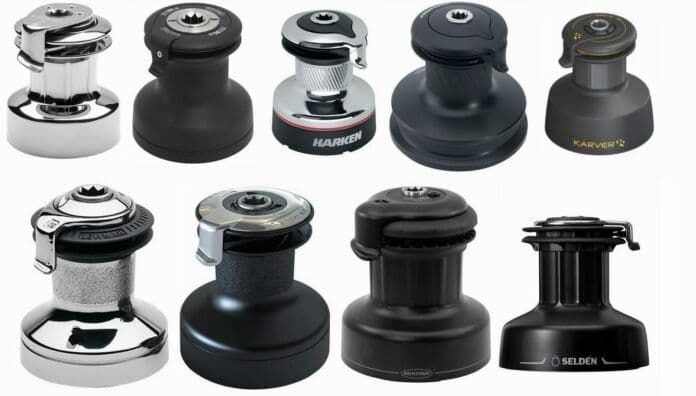
Why the wrong winch gets expensive fast
A winch mistake does not usually announce itself at the dock. It shows up when the breeze builds, the sheet loads up, and the person at the handle suddenly realizes the boat is asking for more muscle than the crew has. Practical Sailor’s April 20 guide gets that part right: this is not a casual accessory roundup, it is a comparison of 7 brands and 76 self-tailing models, from size 12 to 52, for sailboats in the 20- to 50-foot range.
That size spread matters because winches are not interchangeable in real use. The load you expect to crank, the line diameter, the drum size, and the ergonomics of the handle all change how hard the boat is to sail and how safely a small crew can handle tacks, reefing, and trimming. Get the sizing wrong and you pay for it every time you leave the dock.
What the comparison actually helps you decide
The useful part of a deep winch guide is not just that it lists hardware. It helps you avoid buying a shiny overkill model when what you really needed was a better fit for your boat and crew. Practical Sailor’s focus on specs, dimensions, and power ratios turns the decision into something practical: match the winch to the actual loads on board, then think through how the hardware feels in use, not just how it looks on the coachroof.
That matters most on older boats. Many classics and older cruisers were not designed around the same hardware expectations people have now, especially if you are moving from plain self-tailing convenience to a more modern setup. A winch that looks right on paper can still feel awkward on deck if the handle swing, drum diameter, or mounting footprint does not suit the layout you already have.
The best part of a guide like this is that it pushes the decision beyond purchase price. Winches affect sail-handling, fatigue, safety, and the long-term livability of the boat. If a piece of deck gear changes how often you reef, how confidently you tack, or how much one person can manage alone, it is not a luxury item anymore. It is part of the boat’s operating system.
Singlehanded sailing is a different sizing problem
If you sail mostly alone or with one other person, self-tailing is not a convenience feature so much as a labor-saving tool. A self-tailing winch cuts friction and hand work when you are trimming, tacking, or taking a load off the sail in a hurry. On a small crew, that can be the difference between a clean maneuver and a cockpit full of cursing.

That is why the wrong size is such a trap. Too small, and the winch demands extra cranks just when you need speed. Too large, and you may gain power you do not actually need while adding bulk, expense, and a feel that can be clumsy on a moderate-size boat. Practical Sailor’s size 12 through 52 spread is useful because it covers the real middle ground where most DIY sailors have to balance power against practicality.
For a singlehanded coastal cruiser, the question is not just, “Can it handle the load?” It is also, “Can I use it cleanly when I am tired, wet, and short on hands?” That is where drum size, power ratio, and handle ergonomics matter in practice.
When aging crew changes the hardware math
Aging crew changes the whole equation. Lower loads are not a luxury when shoulders, backs, and grip strength start setting the limits on the day. A well-chosen self-tailing winch can make sail changes feel manageable again, but only if the size and gearing fit the crew instead of forcing the crew to adapt to the hardware.
This is where the decision becomes more than “replace what is there.” Sometimes you are really deciding whether the boat needs a different operating style. If the crew is older or less willing to muscle heavy sheets, the right winch can reduce strain during tacks and reefing, which makes the boat safer and easier to keep sailing often. That is a far better outcome than bolting on hardware that looks impressive but still leaves the strongest person doing all the work.
Practical Sailor’s emphasis on power ratios is exactly the right lens here. The goal is not maximum brute force. The goal is a winch that gives enough mechanical advantage to keep sail handling smooth without making every trim slow and cumbersome.
Refit decisions on older deck layouts are where people get burned
Older deck layouts are the place where DIY mistakes get expensive. A refit may look straightforward until you discover the new winch footprint does not fit the old pattern, the handle clears badly, or the line path makes the self-tailing mechanism work harder than it should. That is why a comparison based on dimensions is more useful than a glossy product list.
This is also where maintenance history matters. Harken says winches are generally durable and can have a long life ahead, but there are good reasons to change them out: parts supply can become an issue, you may want to add another winch, or you may want to electrify a manual winch. That last point matters because a lot of older boats were built for simpler sail plans, and the modern answer is not always a like-for-like swap.
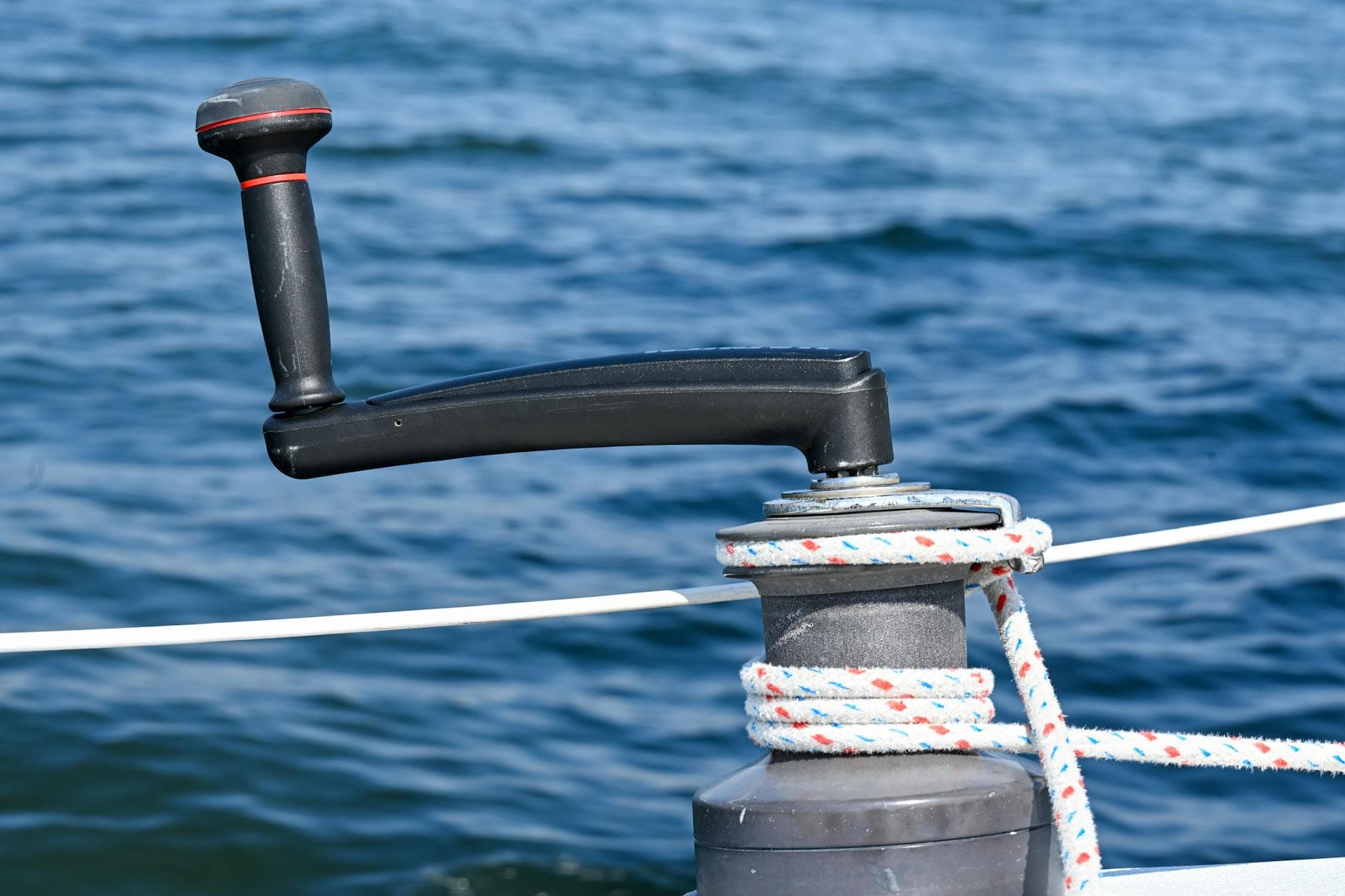
Harken also recommends servicing winches at least once in preseason, or twice a season if the boat lives in salt water. That is a strong reminder that the cheapest winch on the catalog page can become the most expensive if it is hard to service or impossible to keep parts in rotation.
Repair, replace, or upgrade: the real choice
For many owners, the real decision is not which new winch to buy. It is whether to rebuild the existing one, replace it, or use the moment to change the whole system. If the hardware is solid and parts are available, rebuilding can make sense. If the parts are no longer available, the winch is being electrified, or you want self-tailing capability that you do not have now, replacement starts to look a lot more sensible.
Lewmar’s history is a good reminder that winches age in generations. Its earliest self-tailing models, the Spring Jaw winches, were produced from 1975 to 1977, followed by Hold Fast self-tailing winches from 1978 to 1983. Lewmar says spare parts for those earliest models are now very limited, and that is exactly the kind of reality that should shape a refit decision before you commit to more money in old hardware.
There is also a service difference between brands. Andersen says its self-tailing jaws adjust automatically to various rope sizes, the self-tailing arm can rotate through 360 degrees for better positioning, and normal servicing is only needed about every two years under normal use. That combination is a reminder that design philosophy affects more than convenience. It changes how often you touch the hardware, how neatly it works with different lines, and how much attention it needs over time.
Why the old names still matter
The history of Barient and Barlow is not just nostalgia for gearheads. Barient winches still come up in restoration circles because old models wear, parts can be hard to source, and the economics of keeping legacy gear alive eventually collide with the cost of replacement. That makes them a useful reference point for any sailor weighing whether to nurse along old hardware or move on.
That is the real lesson in Practical Sailor’s comparison of 76 self-tailing winches. The expensive mistake is not buying a winch. It is buying the wrong one for the boat, the crew, and the way you actually sail. If you get the size, serviceability, and mounting reality right, the winch disappears into the background, which is exactly what good deck gear should do.
This article was produced by Prism’s automated news system from verified source data, official records, and press releases, then run through automated quality and moderation checks before publishing. The system is built and supervised by the people who set the standards it runs under. Read our full AI policy.
Did this article answer your question?


