West Marine guide helps boat owners choose antifouling paint
West Marine turns antifouling into a matching game: hull, water, use pattern, and local rules decide what belongs on the boat.
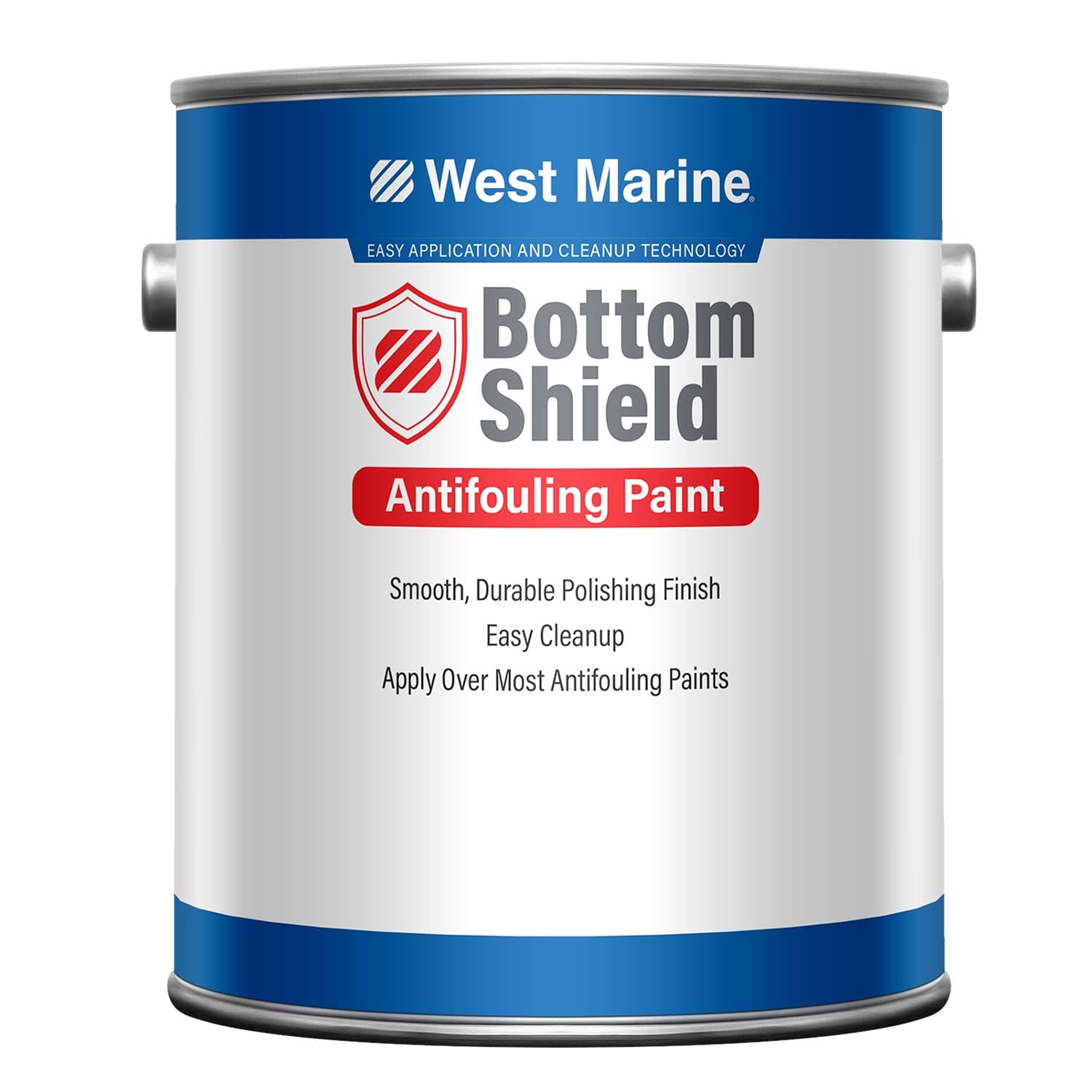
Choosing antifouling paint is really about matching the boat to the water and the way you actually use it. West Marine treats it that way for good reason: a fouled hull drags down speed, hurts maneuverability, and sends more money to the fuel dock. Once you stop thinking of bottom paint as a color choice, the right questions become much clearer.
Start with the hull, not the shelf
The first thing to settle is what you are painting. West Marine’s guidance is blunt on aluminum boats and aluminum outdrives: do not apply cuprous-oxide antifouling paint. That copper-based chemistry can damage aluminum, which makes hull material a hard stop before you worry about brand, sheen, or how the can looks on the rack.
That same logic applies when you are painting over an existing coating. Compatibility matters more than most owners want it to. Harder paints should not go over softer ones, vinyl paints generally belong over vinyl paints, and a compatibility chart should be checked before you switch systems. If you are already coated and trying to stretch a season, the safest choice is the one that matches what is on the boat now.
Ask how the boat really lives
The next question is where the boat spends its time. Saltwater and freshwater do not punish a hull in the same way, and West Marine’s broader bottom-paint guidance points out that regional conditions often favor different formulations. That is why the same product can make sense in one marina and be a bad fit a few hours down the coast.
Frequency of use matters just as much. A boat that moves often has different fouling pressure than one that sits, and West Marine builds that into its buying questions. So does storage pattern: whether the boat is hauled out, relaunched, or kept out of the water changes how long a coating has to perform, and whether you need something that can handle a quick turnaround without repainting.
Match the coating to the maintenance plan
This is where the buying guide gets useful for real-world DIY work. If you haul the boat and put it back in service without repainting, that should shape the choice from the start. If the boat lives on a trailer or stays out of the water for long stretches, you are solving a different problem than the owner who leaves a sailboat in the slip all season.
West Marine also frames antifouling as a decision for both powerboats and sailboats, not just one camp or the other. The point is not to buy the strongest paint you can find, but to pick a coating that fits the way the boat is actually used. A good match protects performance and can also reduce how often you end up doing the same job twice.
Know what the paint family is trying to do
The product wall is still crowded with choices, and West Marine’s listings reflect that. You will see ablative, hard, hybrid, and bright-colored options, which is a reminder that antifouling is not one fixed formula. Different formulations behave differently on the water, so the job is to pick the chemistry that matches the hull and the season instead of chasing the most aggressive label.
That is also where preference questions come in, like whether you want a water-based paint or whether a vinyl-based system makes sense. Those are not cosmetic details. They help narrow the field before you get stuck comparing cans that were never meant for the same kind of boat or the same repaint cycle.
Bright colors are part of that decision too. If appearance matters, the available color range can influence which formulation you land on, but color should never outrun compatibility or the needs of the hull. A boat still has to perform before it looks good.
Copper paint is no longer just a dockside preference issue
The regulatory side of antifouling has gotten harder to ignore. Washington adopted its Antifouling Paints Law in 2011 to phase out copper-based antifouling paint for recreational boats. Washington state materials say that if the state finds safer and effective alternatives that are feasible, reasonable, and readily available, most copper-based antifouling paints could be restricted beginning January 1, 2026.
California has been moving in its own direction as well. AB 773, introduced in the 2025 to 2026 legislative session by Assembly Member Dixon, would suspend enforcement of some copper-based antifouling paint regulations until the State Water Resources Control Board, regional water quality control boards, and the Department of Pesticide Regulation agree on uniform guidelines. That debate has drawn attention from industry groups such as the Northwest Marine Trade Association, which argues copper-based antifouling remains a widely used and necessary barrier against marine growth that can affect fuel consumption and emissions.
That is the tension owners have to understand. Regulators are focused on copper discharge into marinas and waterways, while the industry points to the performance benefits that have made copper paint so common in the first place. In places like Newport Harbor, Marina del Rey, and San Diego, that tension is not abstract. It shapes what products can be sold, what can be applied, and how carefully a DIY owner needs to check the rules before opening a can.
The right question is not “what paint is best”
The better question is which paint belongs on this boat, in this water, on this schedule, with this existing coating. West Marine’s framework works because it forces that kind of answer. Hull material, local regulations, water type, frequency of use, storage pattern, repaint compatibility, and whether the boat actually moves all matter more than marketing copy on the label.
That is the practical lesson here: antifouling is an operating decision, not a shopping impulse. When you line up the hull, the water, the haul-out plan, and the rules, the choice stops being a guess and starts becoming maintenance you can defend.
This article was produced by Prism’s automated news system from verified source data, official records, and press releases, then run through automated quality and moderation checks before publishing. The system is built and supervised by the people who set the standards it runs under. Read our full AI policy.
Know something we missed? Have a correction or additional information?
Submit a Tip