Potato Flake Sourdough Rolls Bring a Sweeter, Softer Twist
Potato flake sourdough rolls trade tang for tenderness, giving you a softer, sweeter bake that fits weeknights as well as holiday tables.
What makes potato flake sourdough different
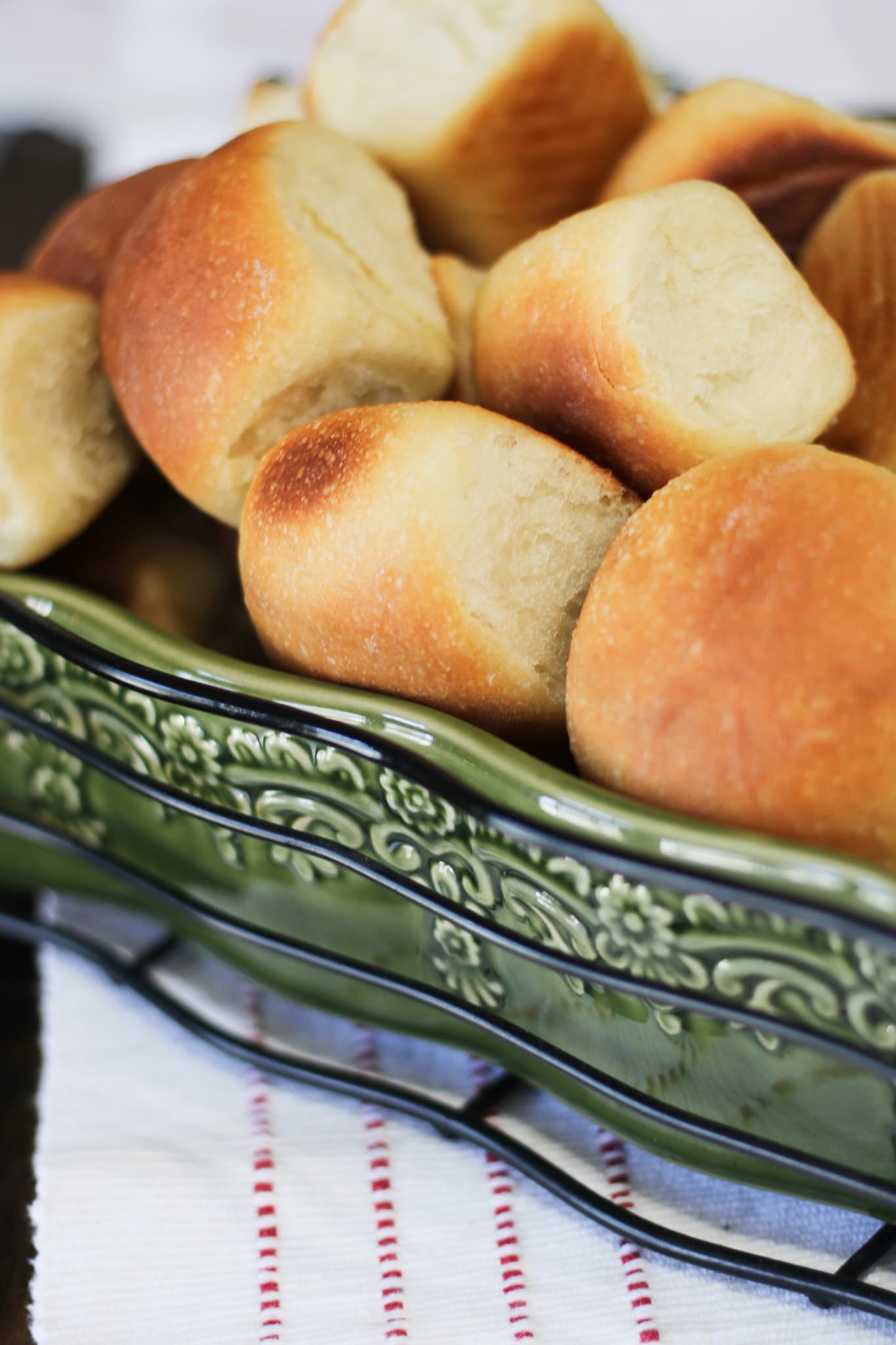
Potato flake sourdough rolls live in a different lane from the sharper, more familiar flour-and-water levain. Jen Around the World’s potato flake yeast rolls show that clearly: this starter begins with instant mashed potato flakes, sugar, and water, then moves into a soft, enriched dough that bakes up pillowy and lightly sweet.
That matters because potato flake starters behave less like a crust-first artisan culture and more like a comfort-bread engine. They are commonly described as producing a milder sourdough flavor and a softer crumb, which is exactly why they show up so often in rolls, sandwich loaves, and cinnamon rolls.
How the starter behaves in the bowl
A potato flake starter feeds yeast in a different way than a plain flour-and-water starter. The potato flakes bring starch, the sugar gives yeast an easy food source, and the water ties it together into a ferment that leans toward softness instead of chew. University of Arkansas Extension notes that potato flakes, eggs, and sugar in bread dough can accelerate yeast growth, which helps explain why these starters are so effective in tender breads.
That speed and tenderness do not make the starter interchangeable with classic sourdough. Instead of chasing a chewy crust or a pronounced sour bite, this style is built for a gentler rise and a softer finish. If your goal is a roll that tears apart easily and feels rich from the first bite, that difference is the whole point.
Why these rolls work so well
Jen Around the World’s rolls are a textbook example of what potato flake sourdough does best. The dough combines active starter, warm water, sugar, oil, salt, eggs, and flour, then gets finished with butter for a soft, flavorful crumb. The result is described as soft, fluffy, slightly sweet, and rich with butter, which makes it a natural fit for Sunday dinners, holidays, or a bread-heavy weeknight.
The method follows a classic enriched-roll pattern: mix, knead, let the dough rise until doubled, shape the rolls, give them a second rise, and bake at 350 degrees Fahrenheit until golden. That structure is familiar to bread bakers, but the starter changes the payoff. Instead of a bold sour loaf, you get rolls that lean tender and welcoming, with enough sweetness to pair easily with savory mains or a swipe of jam.
What to expect from the rise
Patience is part of the deal with potato flake sourdough. The rise is slower than commercial yeast, and the dough wants time to do its work. That slower pace is not a drawback so much as a reminder that this starter style rewards a relaxed schedule and a gentle hand.
If you are used to quick-rise rolls, this is the place to recalibrate. Potato flake starters like time, and rushing them can flatten the very texture you are trying to build. Give the dough its full rise, watch for the doubled volume, and let the second proof finish the job before it goes into the oven.
Where this starter shines best
Potato flake sourdough is at its best when the finished bread should feel soft, plush, and just a little sweet. That is why it turns up so often in:
- soft dinner rolls
- sandwich loaves
- cinnamon rolls
- honey butter rolls
- garlic rolls
The same base dough can move in several directions, which is part of its appeal. A sweet finish pushes it toward breakfast or dessert, while garlic butter or a savory filling keeps it squarely in dinner-roll territory. That flexibility makes the starter useful for home bakers who want one culture that can handle several jobs without changing the whole baking routine.
A starter with roots in home baking traditions
Potato flake sourdough is often linked with Amish baking practices and Amish Friendship Bread traditions, and that connection helps explain its staying power. Friendship Bread Kitchen describes it as a fermented sourdough starter that uses potato flakes and sugar to feed the yeast, while also noting a practical limit: the base starter should not exceed 2 cups unless the feeding ratios are adjusted.
That detail is useful if you plan to keep the starter around or share it. The tradition around Amish Friendship Bread also shows how sweet starters travel through kitchens and communities. In that related practice, the starter is shared among friends and neighbors after fermentation, which gives this style of baking a strong social thread as well as a practical one.
Maintenance is part of the appeal
One reason potato flake starters continue to win over home bakers is that they are often described as more forgiving and lower-maintenance than more temperamental sourdough cultures. The flavor stays mild, the crumb stays soft, and the feeding routine can fit into a real household schedule rather than a bakery clock.
That makes the starter especially attractive if you want the benefits of a maintained culture without turning bread baking into a full-time project. Keep the batch in balance, respect the 2-cup starter guideline unless you adjust your feeds, and you will have a culture that is ready for rolls when you want them.
Why this style still matters in today’s sourdough world
The broader sourdough conversation has grown far beyond the classic country loaf. Purdue describes sourdough as a fermentation science topic with renewed interest, and University of Alaska Fairbanks points to its deep historical importance in Alaska. Put those together, and potato flake sourdough starts to look less like a novelty and more like part of a larger baking story, one shaped by heritage, science, and daily usefulness.
That is the real value of these rolls. They bring a sweeter, softer twist to sourdough while keeping the comfort and continuity that make starter breads so enduring. For bakers who want something tender enough for a family table and practical enough to keep in regular rotation, potato flake sourdough rolls deliver the kind of result that earns a permanent place in the kitchen.
This article was produced by Prism’s automated news system from verified source data, official records, and press releases, then run through automated quality and moderation checks before publishing. The system is built and supervised by the people who set the standards it runs under. Read our full AI policy.
Did this article answer your question?