Priest River library class teaches easy sourdough bread making
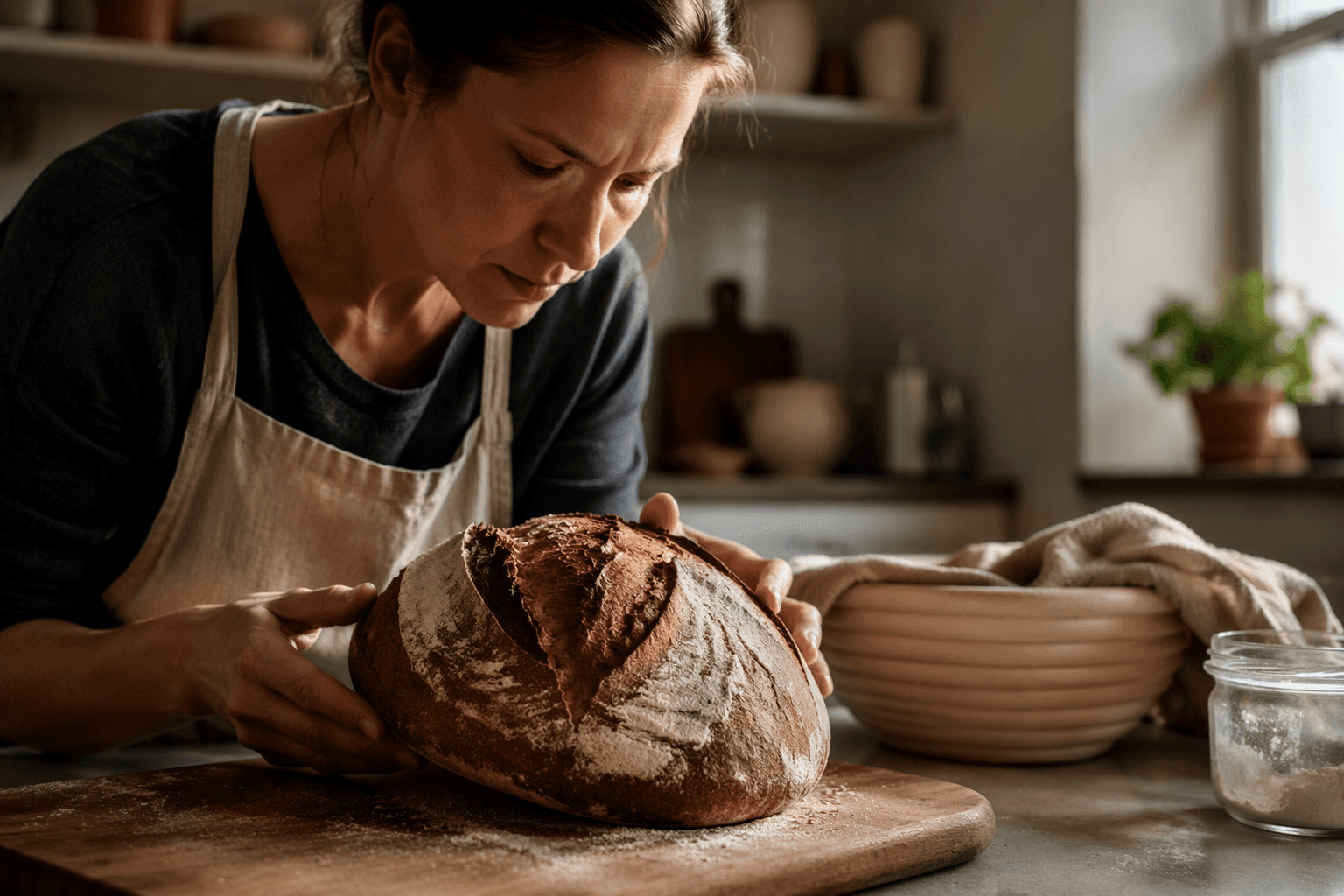
A Priest River library class is turning sourdough into a low-pressure first loaf, with starter to take home and discard ideas that make the craft feel possible.
A library class built for the first loaf
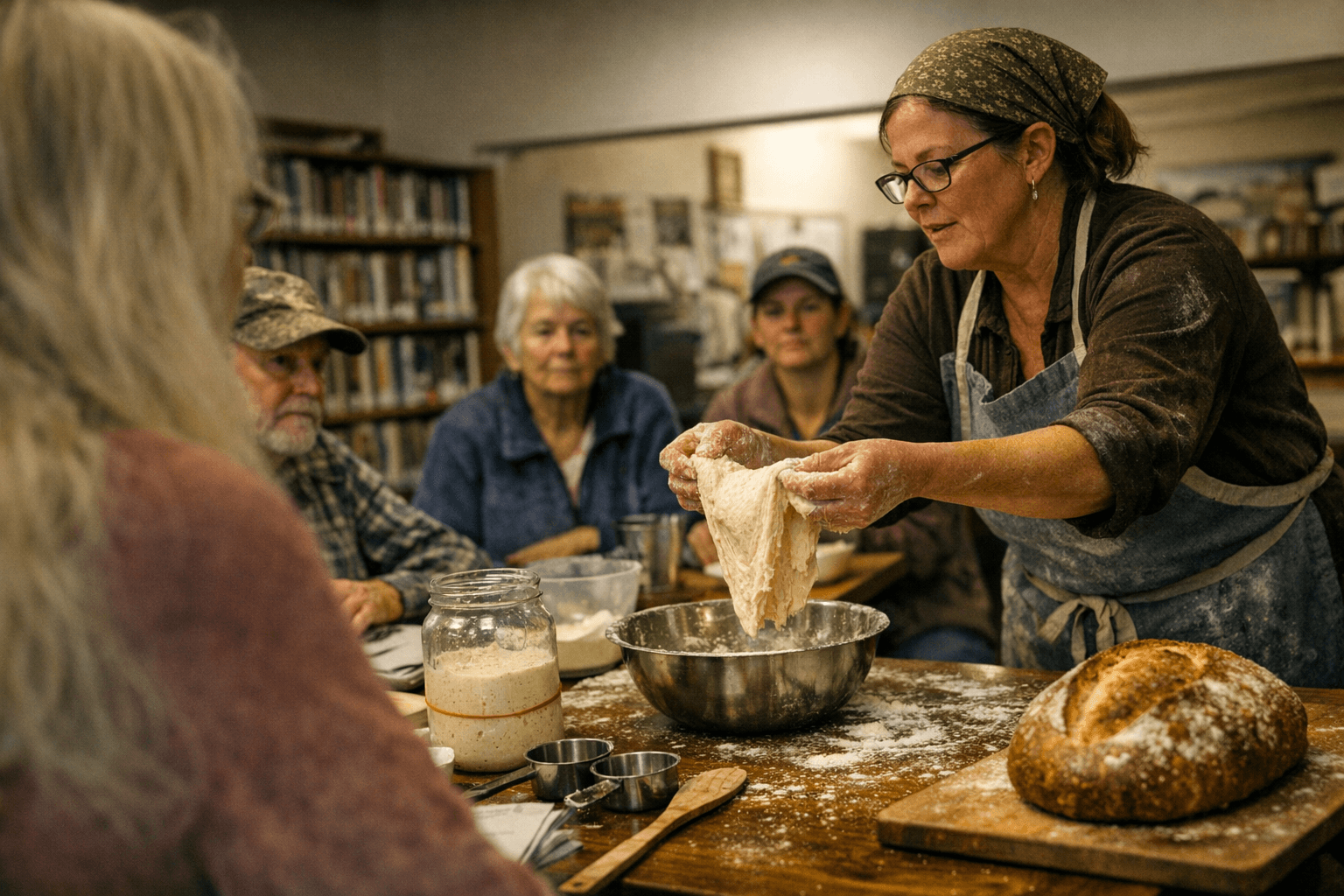
Priest River’s library is making sourdough feel less like a precision test and more like something a beginner can actually pull off. The introductory class, set for Saturday, April 18, at 11 a.m., is free, open to ages 14 and older, and built around an easy method that does not rely on grams, timers, or scales.
That matters because sourdough often gets framed as a demanding craft, full of exact measurements and long waits. This class flips that script. Participants will taste test, learn creative ways to use sourdough discard, and go home with sourdough starter, which turns the program into a real launching point instead of a one-time demonstration.
Why libraries keep becoming sourdough classrooms
This is not just a one-off community event. It is part of a wider pattern in which libraries are serving as practical food-education spaces, especially for skills that sit somewhere between science, craft, and household routine. A sourdough class fits that mission perfectly because it offers something a video cannot: a place to ask questions, compare results, and leave with something living to care for at home.
The West Bonner Library District gives that idea local roots. Its Friends group, established in 1998, helped create the district, renovate the former Priest River Medical Center building into the West Bonner Library, and expand library services into neighboring areas. The Priest River Branch is listed at 118 Main St. in Priest River, Idaho 83856, and district materials say it serves Priest River, Oldtown, and Blanchard. In other words, this is a library system that has already spent years acting like a neighborhood workshop, not just a building full of books.
That history helps explain why sourdough belongs there. A starter, after all, is not a packaged product. It is a culture you keep alive, feed, and learn to trust. Libraries are unusually good at teaching that kind of hands-on routine because they are built around access, not gatekeeping.
What the class solves for intimidated beginners
For many first-timers, the hardest part of sourdough is not the baking. It is the fear of starting at all. Beginners worry about starter maintenance, about buying the wrong tools, and about getting lost in recipes that assume a level of kitchen confidence they do not yet have. Priest River’s class directly addresses all three of those barriers.
First, it lowers starter fear by handing participants starter to take home. That matters more than it sounds like it does. A starter in your kitchen turns sourdough from an abstract idea into a daily relationship, and having one handed to you removes the biggest psychological hurdle: figuring out how to begin from zero.
Second, it takes equipment cost off the table. No grams, timers, or scales are required, which means newcomers do not need to assemble a specialized baking setup before they even know whether they enjoy the process. That lighter lift makes the class feel closer to a community skill-share than a technical workshop.
Third, it clears up process confusion. Sourdough can look mysterious from the outside because the rhythm of feeding, mixing, resting, and baking is easy to overcomplicate. By teaching a simpler, more intuitive method, the class gives beginners a path that feels usable in a home kitchen.
The discard recipes are part of that same logic. They widen the frame beyond the classic loaf and show that sourdough can show up in ordinary baking, not just in a perfect round boule. That is the kind of practical detail that keeps people interested after the first bake.
Why the food-safety angle matters too
There is also a quieter reason a library class can be a smart place to learn sourdough: it gives structure to a process that includes raw ingredients and raw dough. The Centers for Disease Control and Prevention notes that raw flour and raw dough can contain germs that can make people sick. That makes proper handling an important part of the lesson, especially for newer bakers who may not know where the risks are.
A guided class can help demystify the safe parts of the process while steering beginners toward the finished bread, not the raw dough. It also reinforces a simple truth that is easy to miss when sourdough looks rustic and casual online: even a homey loaf has food-safety rules behind it.
That is why the format matters so much. Taste testing, starter handoff, and a simple method are not just nice extras. Together, they create a clean learning loop from instruction to practice to home baking.
A small takeaway that pays off before you ever walk in
The best way to prepare for a class like this is to get your kitchen ready for the starter you will bring home. Before attending, make space for a clean jar or container and decide where that starter will live once it is yours, because the real work starts after class ends.
- Clear one dedicated spot for starter care.
- Have a clean container ready so the starter does not get lost in the shuffle.
- Plan for a simple routine, because the class is designed to be low-pressure, not high-tech.
That tiny bit of preparation turns the event from a fun outing into a real beginning. Instead of leaving with just a recipe, attendees leave with a culture, a method, and enough confidence to keep going.
A model for the next generation of home bakers
Priest River’s sourdough class shows why libraries are becoming trusted entry points for this kind of baking. They offer the one thing many beginners need most: a place where the process feels safe, local, and human. In a hobby that can look overly technical from the outside, that is often the difference between giving up on the first dense loaf and coming back for the second.
This article was produced by Prism’s automated news system from verified source data, official records, and press releases, then run through automated quality and moderation checks before publishing. The system is built and supervised by the people who set the standards it runs under. Read our full AI policy.
Did this article answer your question?