Utah warns hikers and bikers to keep distance from moose this summer
A moose encounter is not a photo op. On Utah trails, the safe move is simple: leash the dog, give cows and calves room, and never crowd a 1,000-pound animal.
What Utah is warning you about
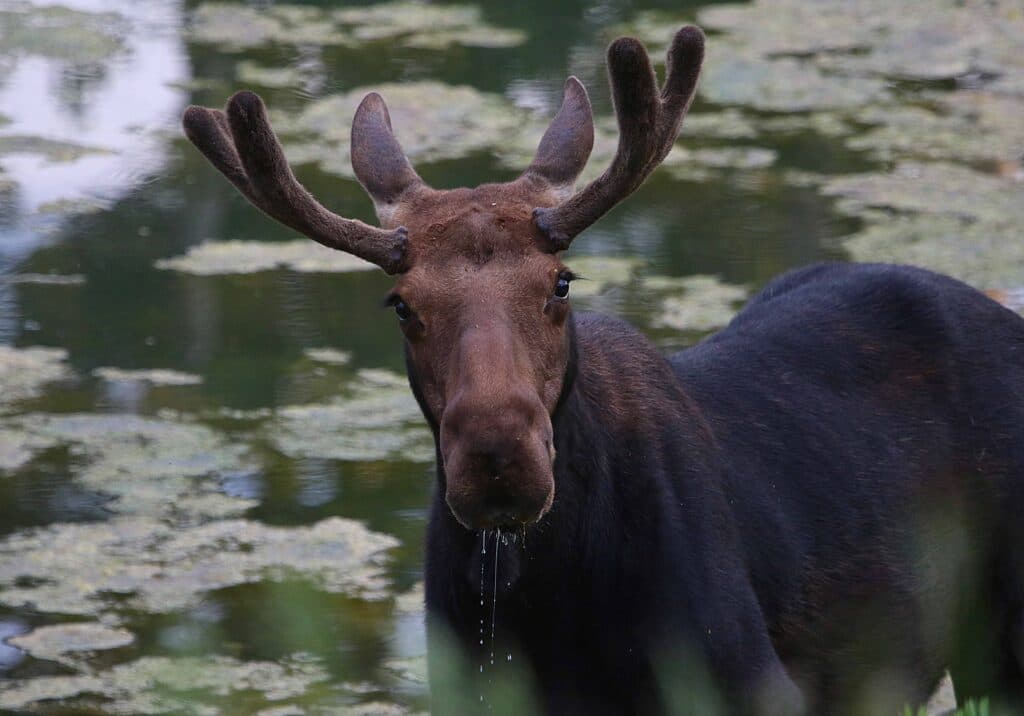
A moose on a Utah trail is not just scenery with antlers. It is a moving hazard that can turn fast if you get too close, and the Utah Division of Wildlife Resources is telling hikers, mountain bikers, campers, and dog owners to give these animals plenty of space this summer. The agency says Utah has between 2,500 and 3,000 moose, mostly in forested parts of the Wasatch Front and in northern and northeastern Utah, and many of the state’s best hiking and mountain biking areas overlap with that habitat.
That overlap is what makes this a real trip-planning issue, not a generic wildlife reminder. DWR says there are typically a few reports of injuries to dogs and people each year from moose encounters, which is enough to make a little caution worth it every single time you step onto a trail.
Where the risk gets highest
The most dangerous moments usually come when people make a moose feel trapped, surrounded, or startled. Cow moose can be especially aggressive when they have calves in spring and summer, and bull moose can turn territorial during the fall breeding season. If you are hiking with a dog, passing a brushy trail section, or rolling through on a bike too fast to react, you are in the exact kind of setup that can go wrong.
Summer can make the behavior less predictable. Drought conditions can push animals to lower elevations in search of food and water, which means a moose may show up where you are not expecting one. DWR also says winter ticks can be worse in drought years because mild winters and springs improve tick survival, and biologists have reported up to 10,000 ticks on a single moose. Some animals may even look “white” in April and May after rubbing off hair trying to get rid of the ticks.
That matters for travelers who move from one landscape to another in the same trip. Moose are rare in the Moab area itself, and local reporting says they are not found in Moab. But if your itinerary shifts from red rock country into higher forested terrain elsewhere in Utah, the risk changes fast.
How to move differently on the trail
This is where the advice gets practical, because the habits that work for deer or elk do not work as well when you are sharing space with a moose. Keep dogs leashed, all the way, not just in the parts of the trail where you think visibility is good. A loose dog can sprint toward cover, bark, circle behind an animal, or trigger a defensive reaction before you have time to call it back.
A better trail routine right now looks like this:
- Keep your dog close and under control, especially near willows, creek bottoms, and shaded forest edges.
- Give moose a wider passing lane than you would give another hiker or biker.
- Never approach, crowd, or feed a moose.
- Back away slowly if the animal seems agitated.
- If you are on a bike, do not try to squeeze past in a tight corridor or blast through brushy terrain where you cannot see what is ahead.
Watch the moose itself for warning signs. DWR points to a lowered head, raised neck hair, pinned ears, and snout licking as signs the animal is not comfortable with your presence. Those are the moments to stop closing distance, create space, and get out of the animal’s line of pressure without making a scene.
If the animal escalates, do not improvise
A charging moose is not something to test with speed or confidence. DWR says that if a moose charges, you should get behind something solid, or move into a vehicle or building if that is available. The agency is blunt about the scale of the threat: adult moose can weigh about 800 to 1,200 pounds, and bulls can stand about 6 feet tall at the shoulder. That is a lot of mass to meet at trail speed.
If you get knocked down, DWR’s guidance is simple and worth remembering before you ever need it. Curl into a ball, protect your head, and lie still until the moose retreats. The goal is not to fight the animal or pop back up immediately. The goal is to reduce what it can reach and wait out the threat.
Covy Jones, DWR’s wildlife section chief, put the danger in plain terms: “in some areas of the U.S., more people are injured by moose than bears each year.” That should tell you everything you need to know about treating a moose as a serious animal, not a bulky curiosity with long legs.
The smart move for Southwest trips
For Southwest Adventure Vacations readers, the real lesson is that trail behavior should change as soon as the scenery changes. Desert instincts, where you can see a long way and wildlife tends to be easier to spot, do not always translate to higher elevation forest trails where a moose can step out of cover without warning. The safer default is more space, slower passes, a tighter leash, and less confidence that the animal will move first.
If you are heading into Utah’s mountains this summer, keep the encounter boring. Let the moose stay wild, keep the dog beside you, and leave enough room that a 1,000-pound problem never gets a chance to become a charge.
This article was produced by Prism’s automated news system from verified source data, official records, and press releases, then run through automated quality and moderation checks before publishing. The system is built and supervised by the people who set the standards it runs under. Read our full AI policy.
Know something we missed? Have a correction or additional information?
Submit a Tip