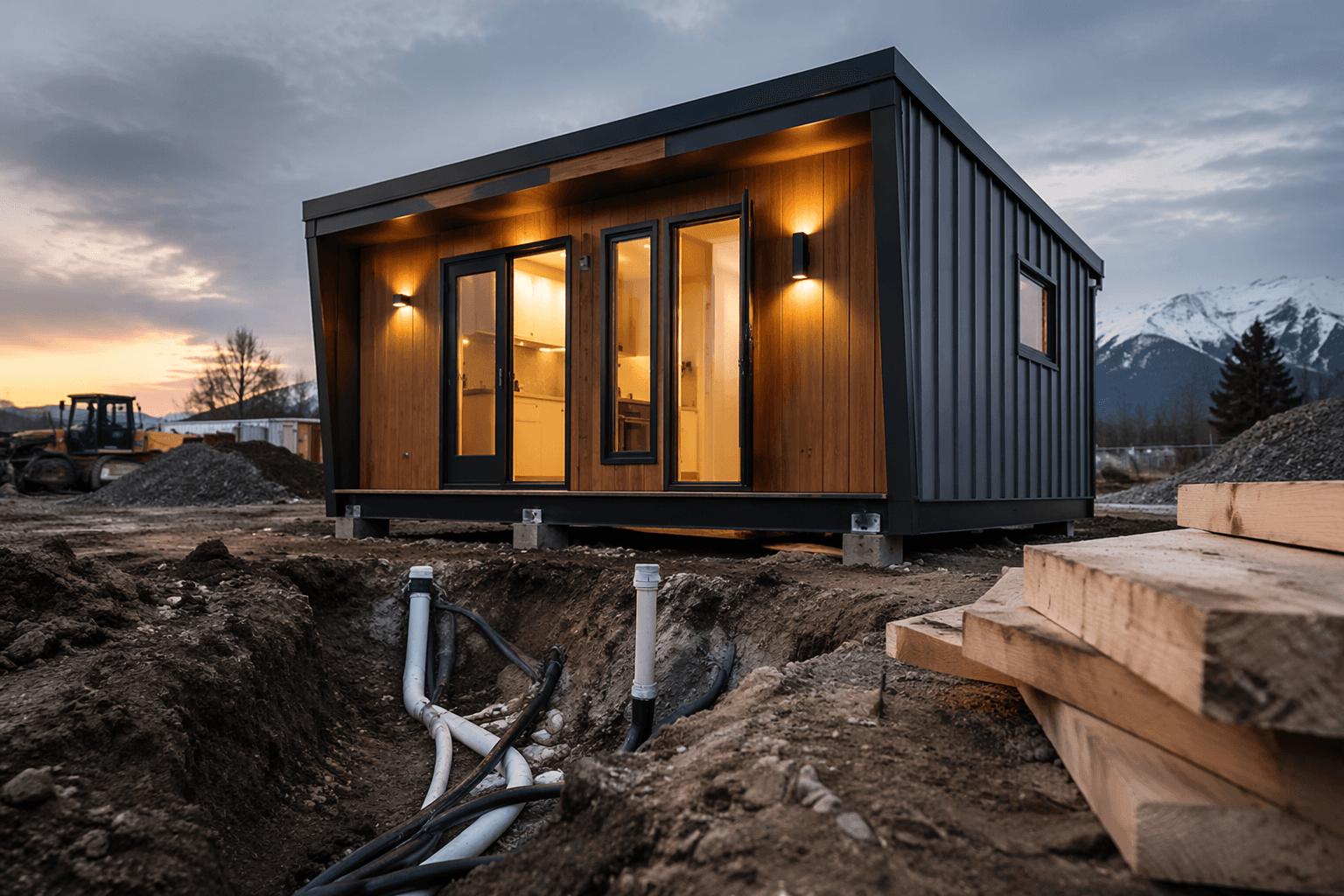
Stephanie Arado Returns to the Original WeeHouse, Now with Plumbing
Stephanie Arado returned to the weeHouse that made tiny-house history, and this time the upgrade was plumbing. The original 336-square-foot shell had been built to survive on restraint.
Stephanie Arado’s return to the weeHouse was not a nostalgia exercise. It was a reminder that the smallest houses can age into the biggest test cases, especially when the upgrade is plumbing and the original was built as a stripped-back, off-grid shell.
Alchemy Architects had built Arado’s first weeHouse in 2003 in Pepin, Wisconsin, on Minnesota prairie land near Lake Pepin. The house measured 336 square feet and was shaped around standard 8-foot Andersen patio doors, a detail that let the design fit a shipping envelope and kept the project tied to factory construction from the start. Alchemy says the lot cost $130,000 and the budget was $50,000, numbers that explain why the house was conceived as something lean, direct and highly controlled.
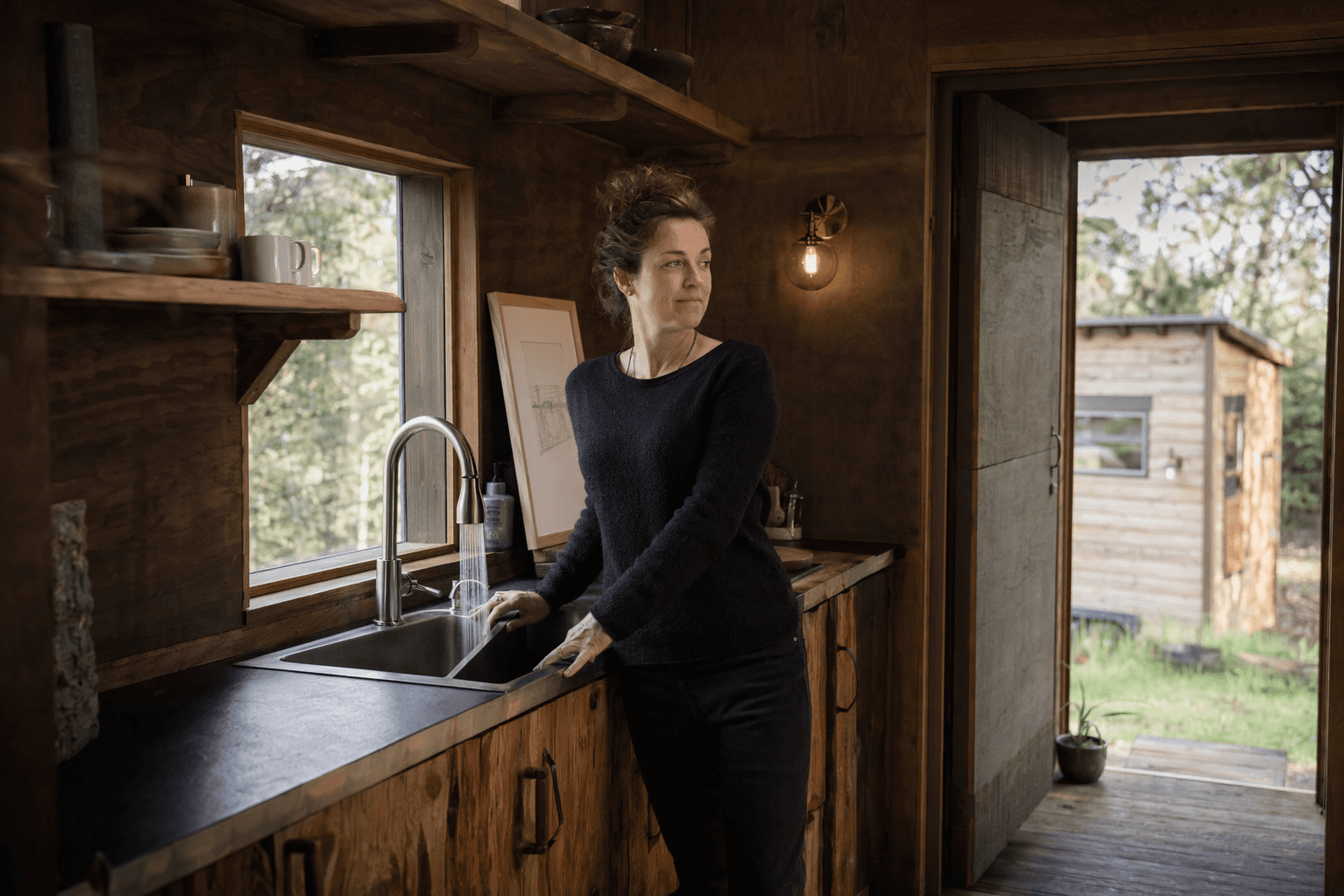
Geoffrey Warner and a small crew built the first house off-site in a warehouse because few builders were near the site. Residential Design reported that the client wanted a modern weekend home on Lake Pepin but could only spend about $50,000, and Warner framed the tradeoff bluntly: “Budget is really secondary to making a project that really matters.” That line still fits the weeHouse story, because the project was never just about being small. It was about being exact.
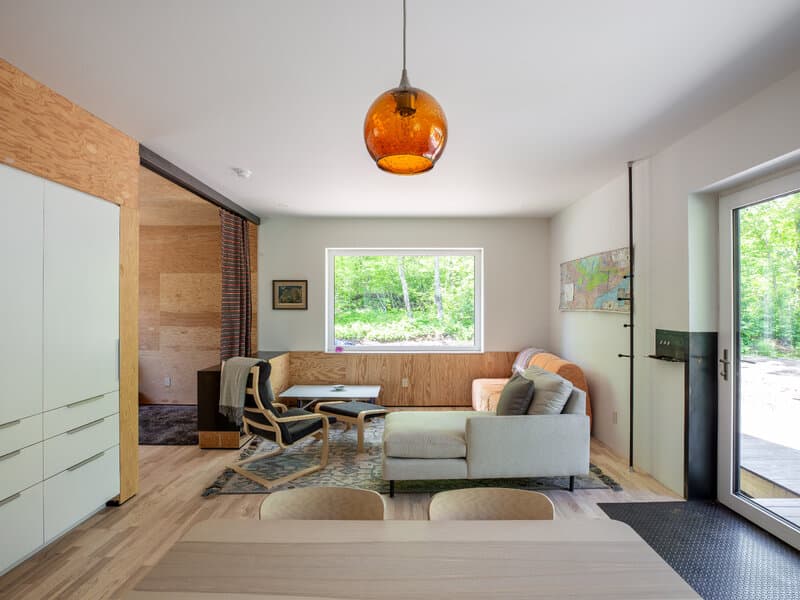
The original interior made the point. ArchDaily and Architizer described a violinist with the Minnesota Orchestra and her family living with Douglas fir, IKEA built-ins and floor-to-ceiling Andersen windows and sliders, all wrapped in a compact off-grid plan. The exterior used cementitious siding with an oxidizing finish. Alchemy says electrical and utilities were roughed into the house but not brought to the site, which meant the first weeHouse was designed more like a minimalist retreat than a fully serviced permanent home. ArchDaily and Architizer put the build cost at about $60,000 in 2003.
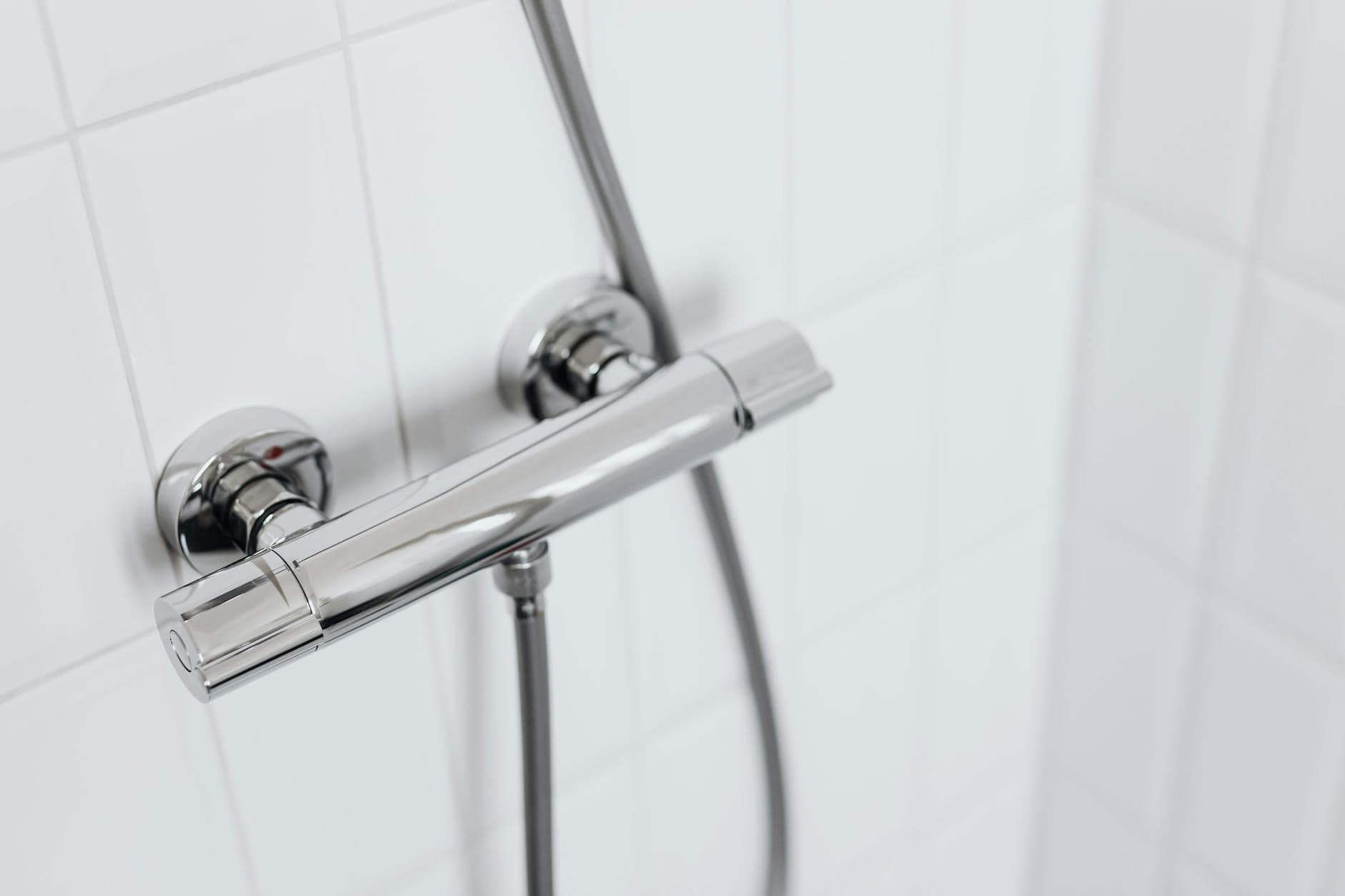
That is what makes the new plumbing upgrade matter. The original weeHouse became the iconic image of the weeHouse identity and, as Alchemy puts it, a “design delivery platform.” Arado’s second version shows what happens when a tiny-house idea lives long enough to meet the realities of ownership: plumbing, access to systems and the question of how a beloved compact house holds up when the people inside want more comfort without losing the original discipline. The weeHouse still looks like an architectural promise, but the plumbing retrofit shows how that promise has to work decades later, not just on day one.
This article was produced by Prism’s automated news system from verified source data, official records, and press releases, then run through automated quality and moderation checks before publishing. The system is built and supervised by the people who set the standards it runs under. Read our full AI policy.
Did this article answer your question?