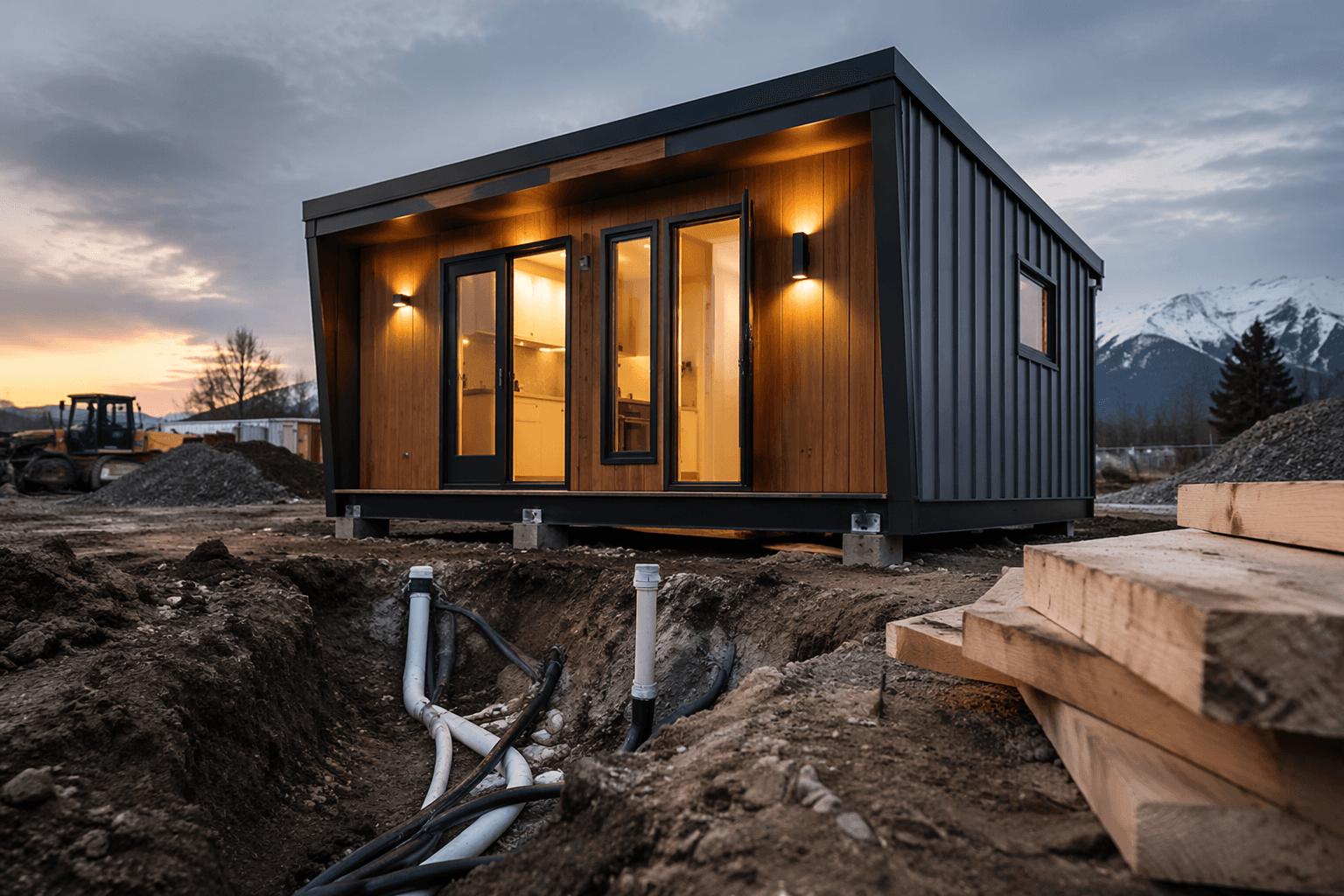
Tiny-home village for homeless women veterans moves forward in Vancouver
A women-veterans tiny-home village at 5118 N.E. St. James Road is still advancing, centered on 18 homes and a gated support community. It could become a regional model.
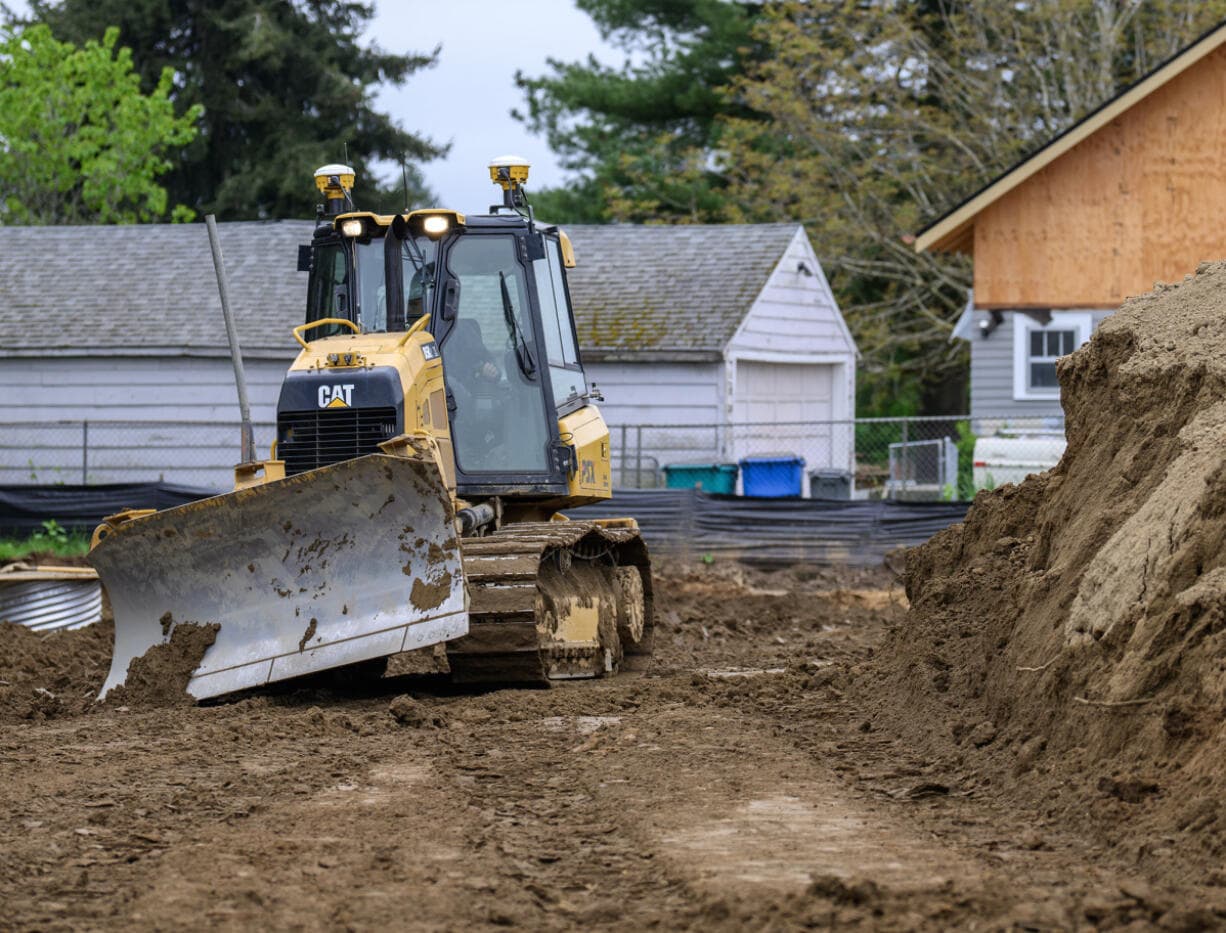
The women-veterans tiny-home village at 5118 N.E. St. James Road is moving ahead again in Vancouver’s West Minnehaha neighborhood, keeping alive a project that has spent years in planning and fundraising. The latest version centers on 18 homes for homeless women veterans, a sharper focus than earlier plans for 36 micro-houses, and the America for Veterans Foundation says the village is meant to become a model for future villages in Washington, Oregon, and Idaho. A pre-application went to the city in late October, the latest concrete step keeping the proposal in play.
The foundation says the site is being designed as a gated micro-community with 24/7 security. Each home is meant to function as a real residence, not a temporary cot or sleeping pod, with a bathroom, shower, efficiency kitchen, living and sleeping area, a lockable door and a legal address that can help residents access public assistance more easily. A meeting hall and shared support space have also been part of the concept, which is built around privacy, safety and the kind of support many veterans need after living without stable housing.
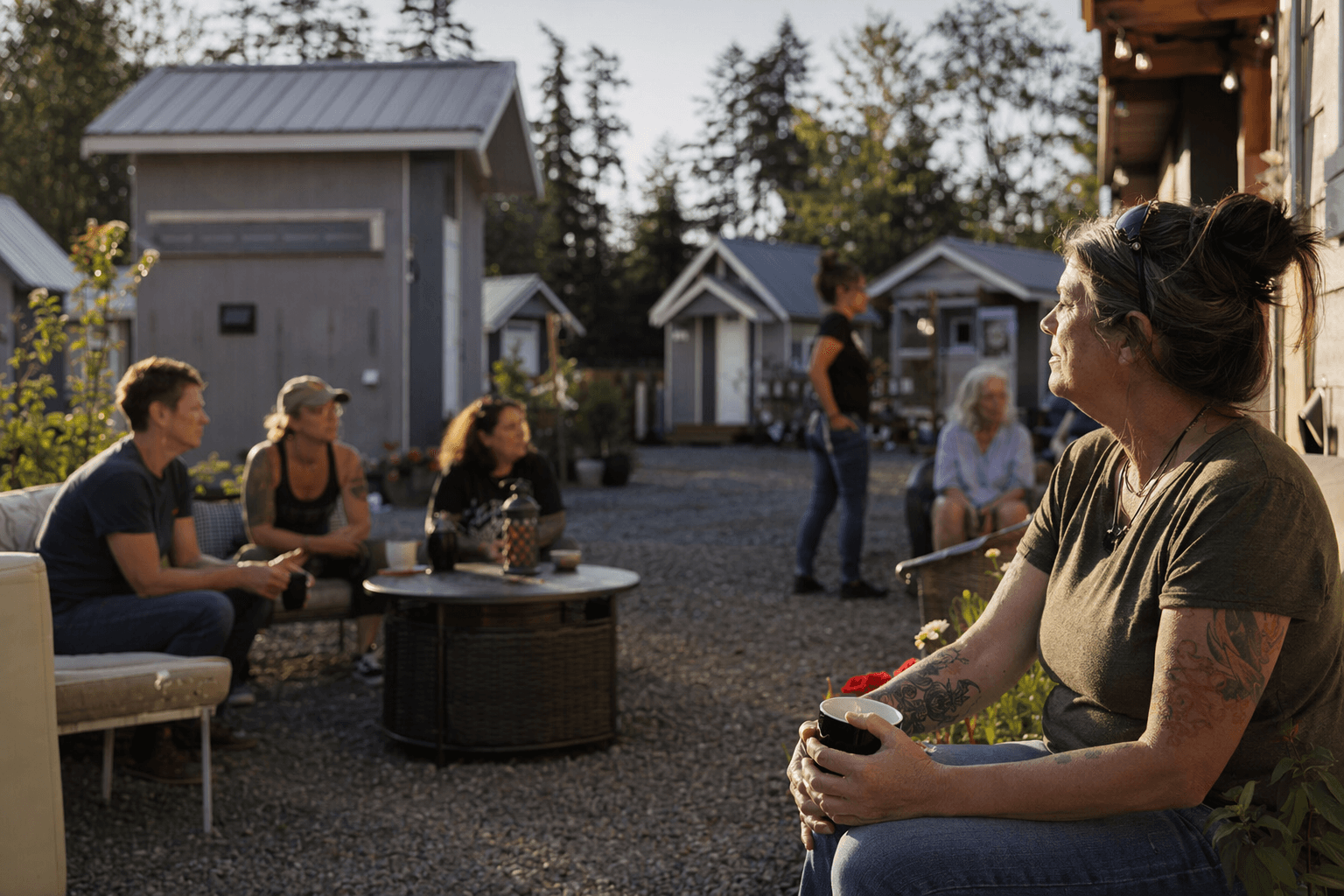
Ron Fryer is the organizer most closely tied to the project. The foundation identifies him as a Vietnam-era Navy veteran and a founder of the Clark County Veterans Assistance Center, roots that help explain why the village is being framed as veteran-specific housing rather than a generic shelter model. Foundation materials describe the Vancouver Veterans Village as Fryer’s personal commitment, and the stated mission is straightforward: provide housing for homeless veterans in Clark County.
The project’s focus on women veterans matters because the broader housing system has often missed their safety needs. Earlier planning material described the village with 18 homes and a meeting hall, while a later version at the same address called for 36 micro-houses, showing how the idea has evolved as it has moved through the city process. The current emphasis on starting with women veterans in all 18 homes reflects the foundation’s view that their need is greatest right now.
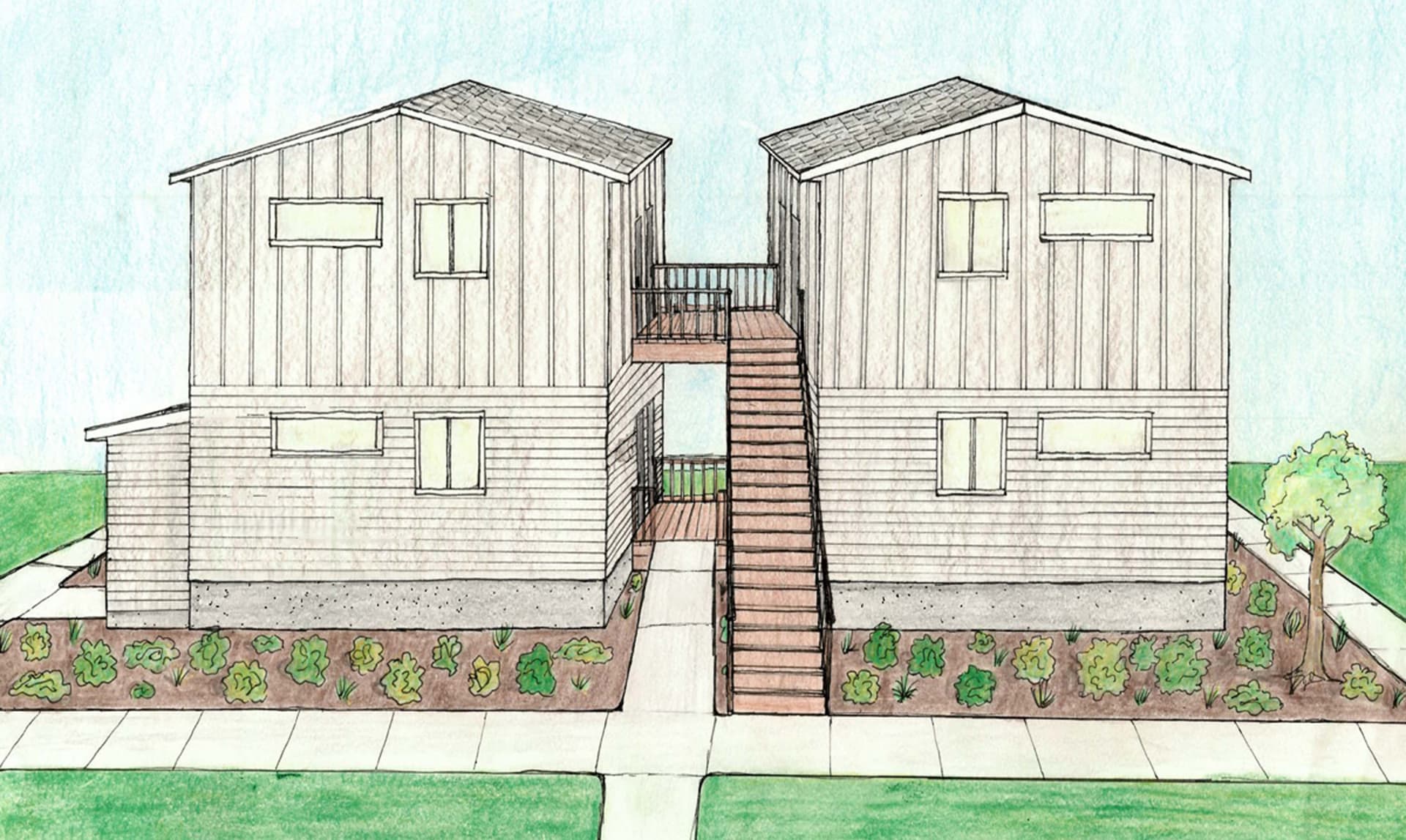
The need is not abstract. Department of Housing and Urban Development figures tied to the project say more than 40,000 veterans are homeless each day in the United States, and nine percent of them are women. In that context, the Vancouver plan is trying to do more than add units. It is aiming to build a secure, addressable, service-connected micro-community that could be copied elsewhere if it gets over the line in Clark County.
This article was produced by Prism’s automated news system from verified source data, official records, and press releases, then run through automated quality and moderation checks before publishing. The system is built and supervised by the people who set the standards it runs under. Read our full AI policy.
Did this article answer your question?