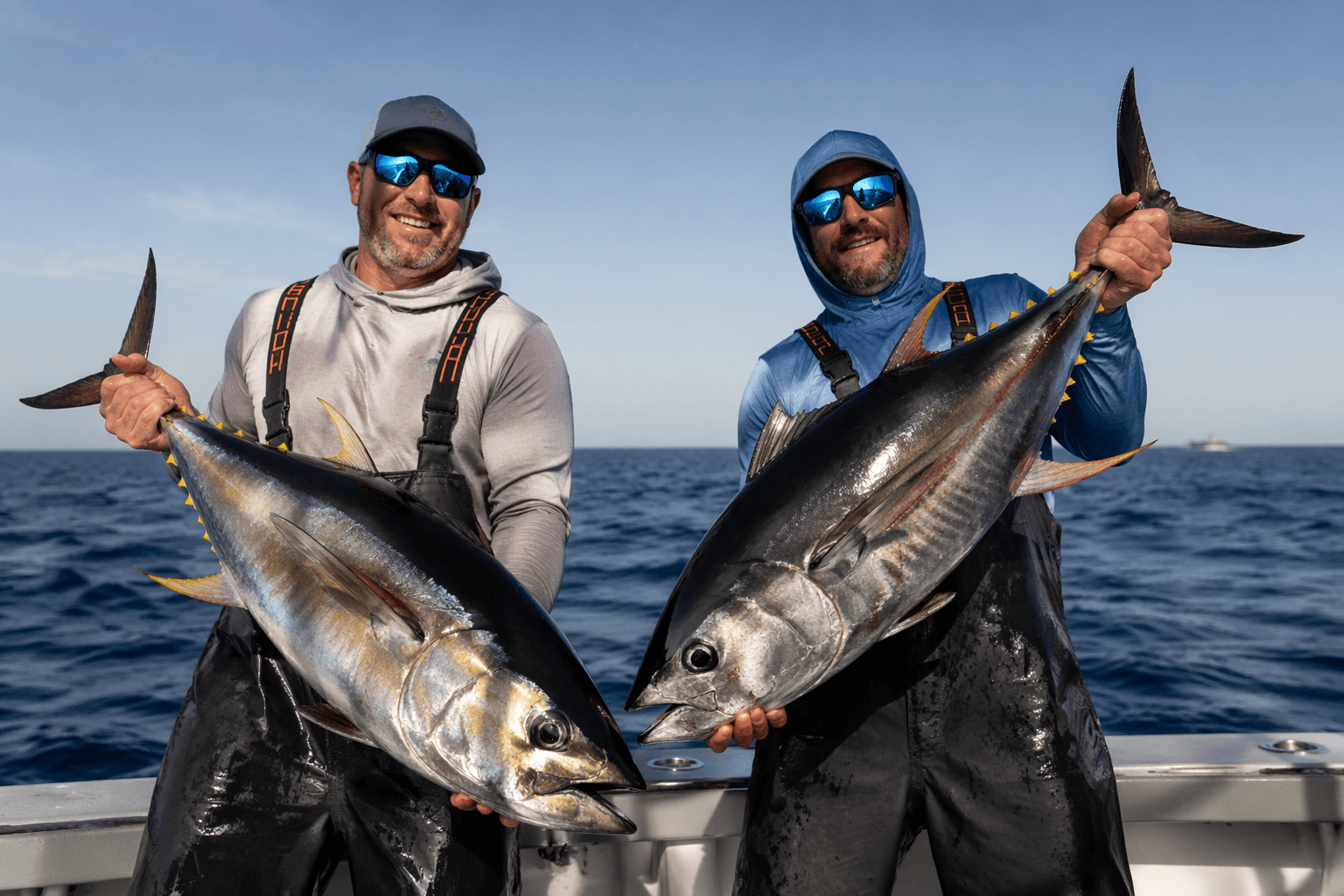
Affordable international tuna fishing trips deliver bucket-list action
Guatemala is the cleaner tuna flight: close blue water, fish in the mix, and a serious offshore program. El Salvador works when you want tuna plus a fallback day.
A summer tuna flight looks cheap right up until you burn hours staring at a blank spreader bar. Guatemala and El Salvador are the two Central American plays that keep that frustration from turning into a wasted vacation, but they do it in different ways: Guatemala is the tighter offshore shot, while El Salvador gives you tuna plus a wider fallback plan when the bite softens.
Guatemala: the compact offshore option
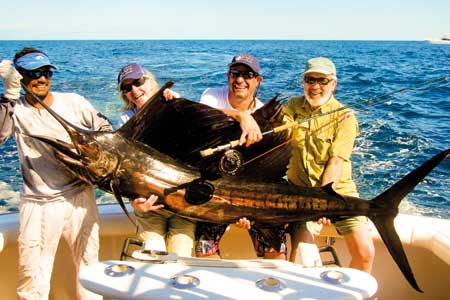
If you want the cleaner tuna trip, Guatemala gets the nod because the whole setup is built for short runs and high-volume offshore action. Casa Vieja Lodge calls the country the “Sailfish Capital of the World,” and that matters because tuna there are not a token add-on, they are part of a serious bluewater rotation that also includes sailfish, blue marlin and mahi. Capt. Terry Brennan’s read is simple: the rainy season is less intense, blue water stays close to shore, and the spread can hold fish without turning the day into a long-distance search.
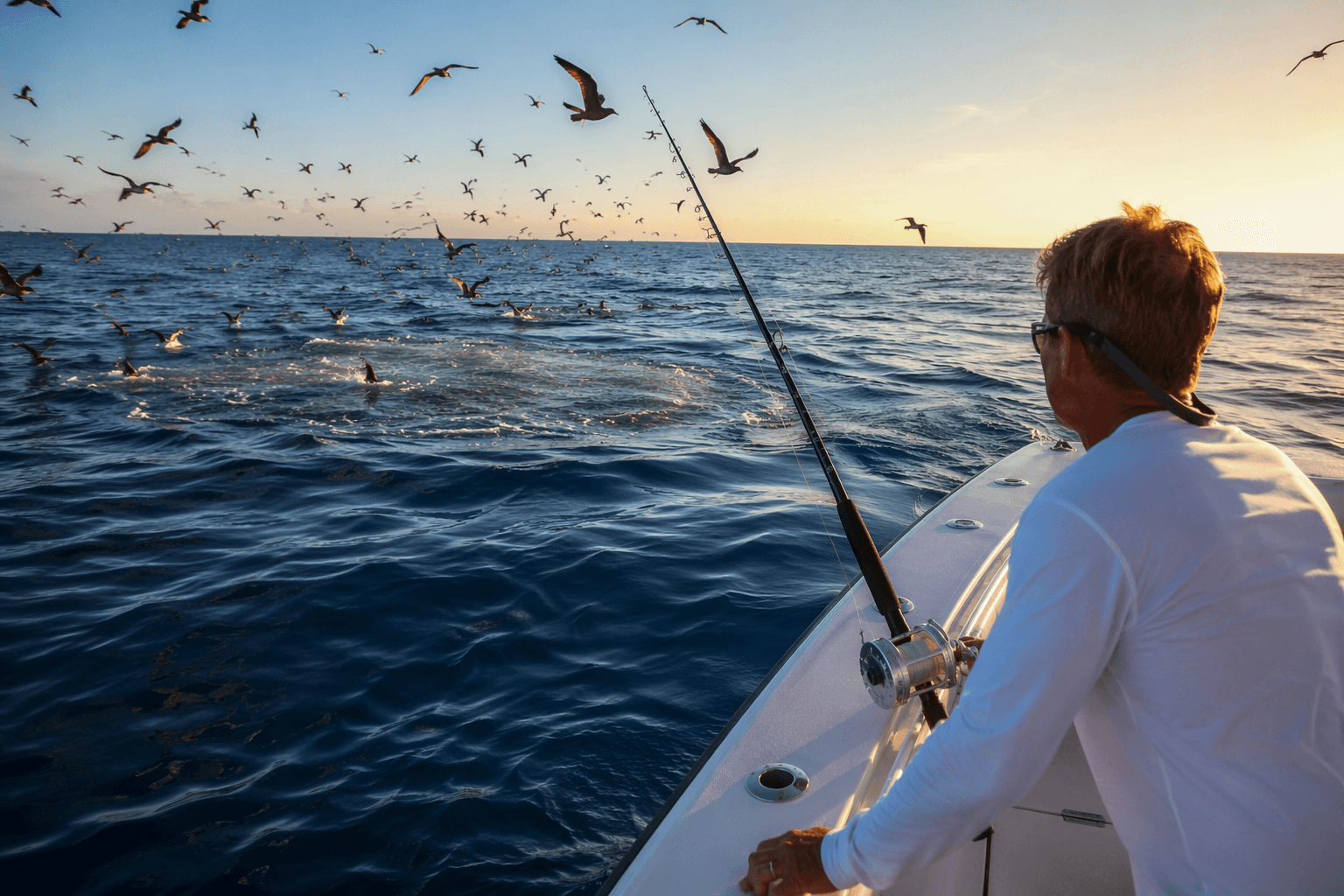
That is the kind of detail tuna anglers care about. When the blue water sits in close, you spend less of the day burning fuel and more of it fishing, and Brennan’s method reflects that reality: rigged ballyhoo, teasers and dredges to keep sailfish honest, with a pitch bait ready if a blue marlin shows. It is a classic Pacific billfish-and-tuna program, which is exactly why Guatemala works for anglers who want a meaningful tuna shot without signing up for an all-day milk run.
Casa Vieja’s own operation backs up that reputation. The lodge says it runs a 10-boat fleet with sportfishers from 37 to 48 feet, and its fishing reports are updated daily at 8:00 PM EST. Those reports showed tuna being caught in late June and early July 2026 alongside the usual billfish mix, which is the kind of real-time signal you want before booking a tropical summer trip.
The scale is not casual either. A 2024 Casa Vieja, Guy Harvey Foundation and Marlin Expeditions page says the lodge recorded 20,168 billfish released that year, and that kind of volume is a big part of why the place has such a strong pull with traveling anglers. Family ownership also matters here: Kristen and Capt. David Salazar have run the lodge since 2013, and David started fishing Guatemala in 1998, so this is not a pop-up destination trying to ride a trend.
El Salvador: tuna plus a real second act
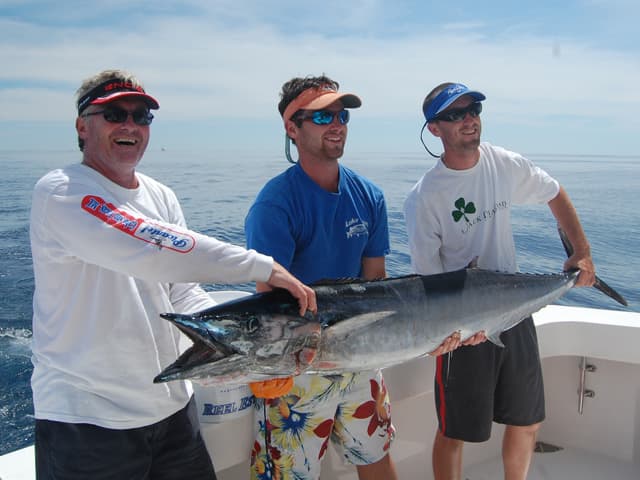
El Salvador is the better bet when you want tuna access but do not want the trip to live or die on one offshore bite. Casa del Golfo says the offshore waters there hold mahi mahi, yellowfin tuna, sailfish, marlin and wahoo year-round, which makes the destination feel more like a mixed-game bluewater stop than a tuna specialist’s shrine. That is not a knock. It just means you should book it expecting variety, not a single-species mission.
The geography helps explain why it works. El Salvador’s tourism authority places the Gulf of Fonseca where El Salvador, Honduras and Nicaragua meet on the Pacific, and Casa del Golfo describes the country as part of the “Central American Dome,” a zone it says has the highest concentration of chlorophyll in the world. Whether you are chasing tuna offshore or rolling the dice on a mixed spread, that is the kind of water that can put bait, birds and predators in the same window.
Mariano Quiros’s advice makes the trip feel even more practical. He says to start by catching live mullet and blue runners, then cast behind the surf break and around structure for roosterfish, or anchor for snapper when the current slows. That is the kind of backup plan that turns a slow offshore morning into a full fishing day instead of a lost day, and it is why El Salvador makes sense for anglers who want tuna in the mix but not as the only headline.
What the trip costs, and what you are actually buying
The most useful price anchor comes from Casa del Golfo’s listed trips on FishingBooker. An 8-hour inshore trip is listed at US$1,250, while an 8-hour offshore trip is listed at US$1,850. That spread tells you what you are paying for: a flexible fishing day at the lower end, or a more committed offshore run if tuna and billfish are the point of the flight.
- If your priority is tuna first, the offshore day is the one that matters.
- If your priority is squeezing value out of one trip, the inshore option gives you a second fishery when the bluewater window is not perfect.
- If you like redundancy, El Salvador has the cleaner itinerary because you are not trapped offshore waiting for one bite to save the day.
That is also the central difference between the two destinations. Guatemala is the more efficient offshore machine, with tuna showing inside a billfish-heavy program and blue water close enough to keep the day tight. El Salvador is the more flexible vacation, where tuna share space with marlin, wahoo and a capable inshore game that can still keep rods bent.
The broader summer map matters too
The July travel conversation is wider than tuna, and that is useful because it shows how different a summer trip can feel depending on the destination. The same kind of article that puts Guatemala and El Salvador in the mix also talks about a Mexico-Pacific panga-supported kayak setup, where the panga handles safety and supplies while the angler fishes independently. That is a very different style of trip from a lodge-run offshore program, and it highlights how much the experience changes once you move beyond the dock.
It also folds in Vancouver Island, where the summer pull is salmon, halibut, lingcod and rockfish. That is not a tuna destination, but it is a reminder that not every worthwhile international fishing trip is built around the same species or the same boat. Some are about water time, some are about species variety, and some are about fishing hard from a lodge that can keep you in the strike zone.
The tuna backdrop is bigger than any one lodge, too. The International Seafood Sustainability Foundation says purse-seine vessels catch about 66% of the world’s tuna catch, and it estimated at least 2,106 large-scale purse seiners were operating worldwide as of June 2025. That scale is exactly why a recreational tuna trip feels special when it connects. You are fishing against a global system that catches tuna by the ton, and still trying to make one bluewater day count.
If you want the trip that keeps the blank spreader bar from defining your vacation, Guatemala is the sharper flight. If you want tuna wrapped into a broader fishing holiday with a real Plan B when offshore goes quiet, El Salvador is the smarter one.
This article was produced by Prism’s automated news system from verified source data, official records, and press releases, then run through automated quality and moderation checks before publishing. The system is built and supervised by the people who set the standards it runs under. Read our full AI policy.
Did this article answer your question?