Kura Sushi Brings Premium Bluefin Tuna to Everyday Diners at Affordable Prices
Kura Sushi put bluefin chutoro on the conveyor belt for under $5; that kind of mainstream demand has a way of reaching the dock.
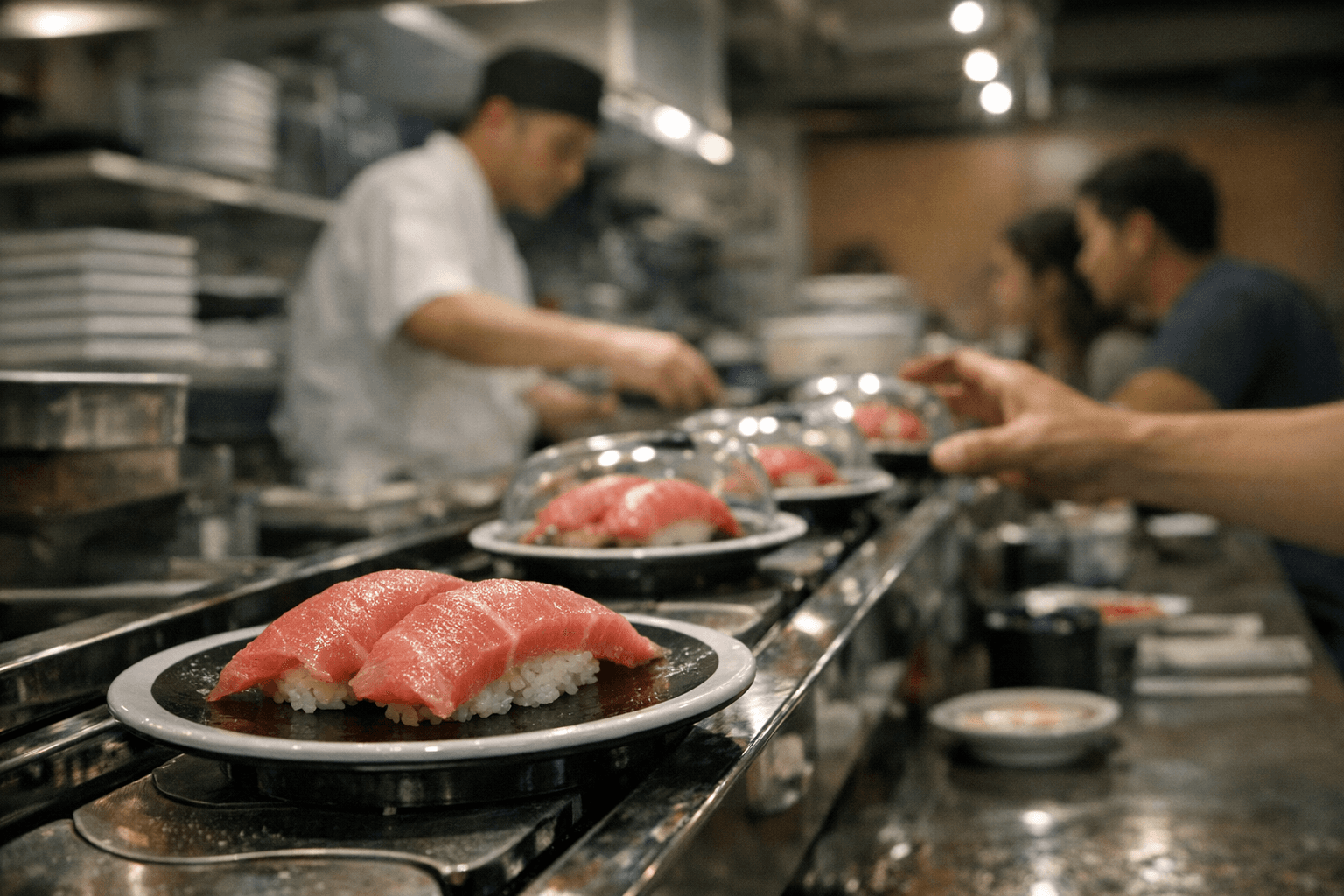
The same species that sold for $3.2 million at Tokyo's Toyosu fish market in January just showed up on a conveyor belt in the United States for under five dollars a plate. Kura Sushi USA, the nation's largest revolving sushi chain, launched a bluefin tuna promotion on March 27 that puts Bluefin Chutoro and Seared Bluefin Chutoro on the everyday menu at under $5 per plate, with limited-time specials including Double Bluefin Chutoro and a Bluefin Chutoro Duo running through March 31 at under $10.
For anyone running a rod on the Atlantic coast or selling to a local buyer, that price point deserves a closer look.
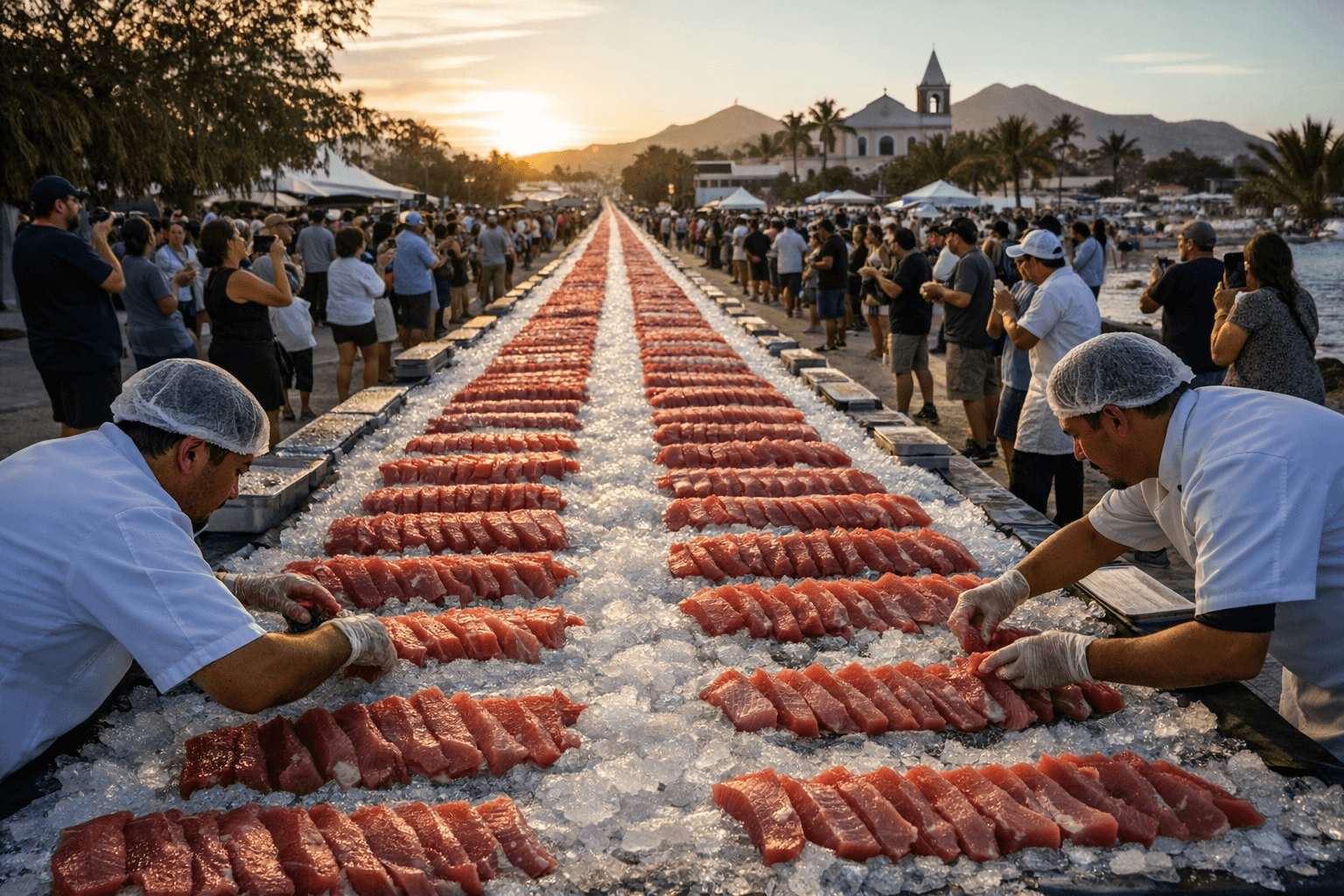
Chutoro sits between the lean akami and the fattier otoro in the belly of the fish, and it is among the most labor-intensive and sought-after portions of a bluefin. Getting it onto a revolving belt at entry-level pricing requires either a long-term supply agreement, farmed product, or the kind of volume purchasing that pulls hard on domestic and international supply chains. Newton Hoang, Kura Sushi USA's vice president of marketing, credited the chain's supply and menu development teams with finding a way to "defy industry norms" and deliver premium bluefin without the premium price tag.
When a national chain runs a sustained bluefin program, processors and buyers align their purchasing to fill those contracts. That demand signal can shift what local dealers pay for specific grades and cuts, particularly fresh domestic fish that can match the quality specs a restaurant program requires. Charter captains who sell through local buyers, or whose clients sell their catch, may see ex-vessel interest climb in ways that never show up in any federal quota update.
The full Kura lineup gives a sense of the commitment's depth. Beyond the chutoro plates, the promotion included Bluefin Tuna Akami nigiri, Edo-Style Marinated Bluefin Tuna Akami finished with soy sauce, sesame, and green onion, a Bluefin Tuna Trio covering all three cuts, and a Bluefin Tuna Norimaki built on cucumber with akami and chutoro. Running akami, chutoro, and otoro simultaneously is not an experiment; it is a structured sourcing program with predictable volume requirements baked in.
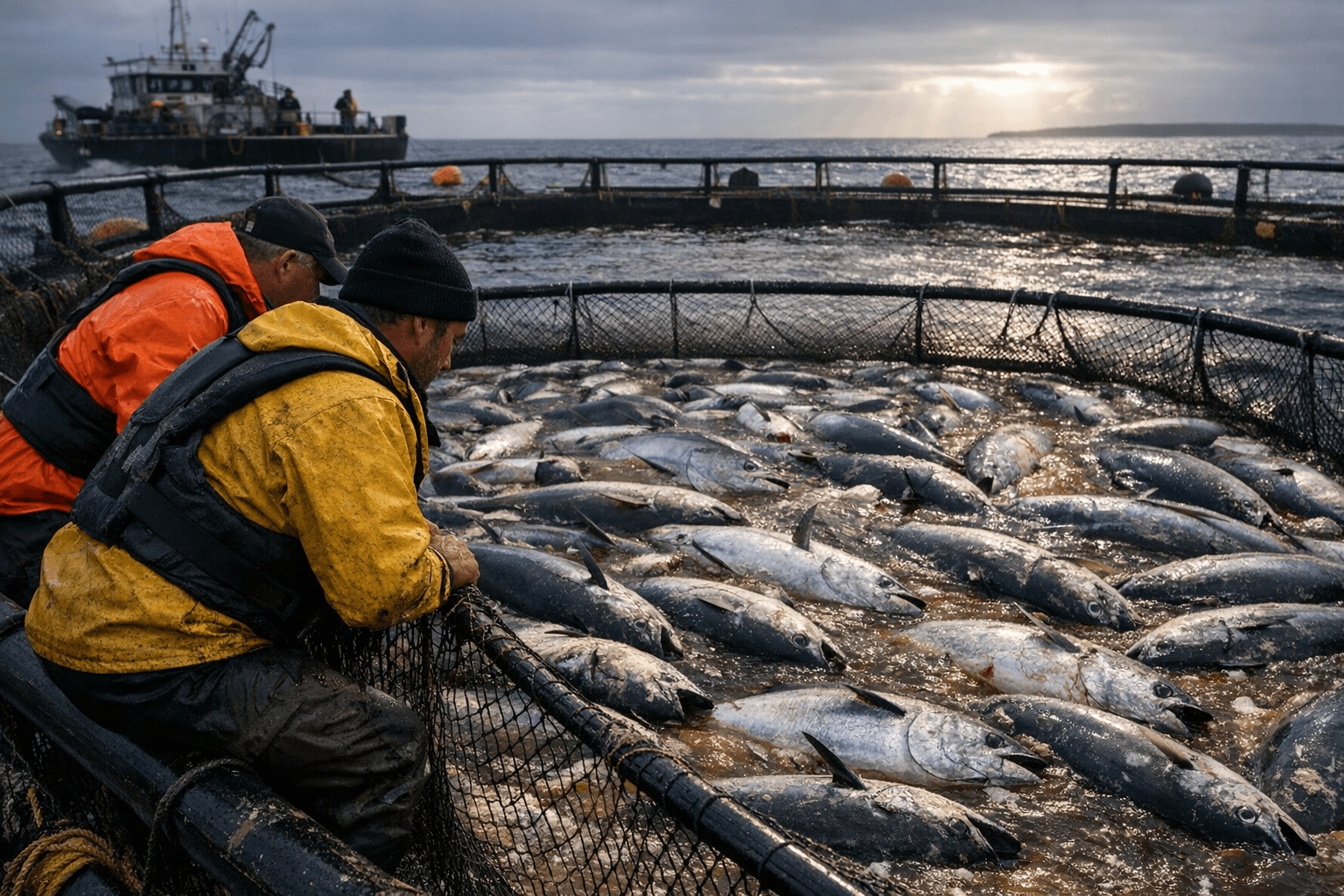
For anglers, the provenance question arrives quickly. Serving bluefin at this price across a national chain almost certainly involves farmed product or quota-managed wild supply assembled through multi-year contracts. Domestically, Atlantic bluefin operate under strict ICCAT quotas governing both commercial and recreational landings. Sustained foodservice demand at this scale adds pressure to those pipelines and historically draws sharper scrutiny to recreational harvest numbers as managers track cumulative removals against quota ceilings.
The $3.2 million Toyosu record, paid for a 243-kilogram fish from Oma in Aomori Prefecture, represents the absolute ceiling of what bluefin commands globally. Kura's promotion runs from the other direction entirely, and where that democratized demand lands in terms of local processor pricing and traceability requirements will be worth watching as the season opens up.
Know something we missed? Have a correction or additional information?
Submit a Tip