Geoff Downes, the Fairlight, and the synths behind Video Killed the Radio Star
Geoff Downes turned the Fairlight from a studio curiosity into a pop-and-prog weapon. Once you see how it fed Video Killed the Radio Star, the collector obsession makes sense.
Why Geoff Downes still matters to synth people
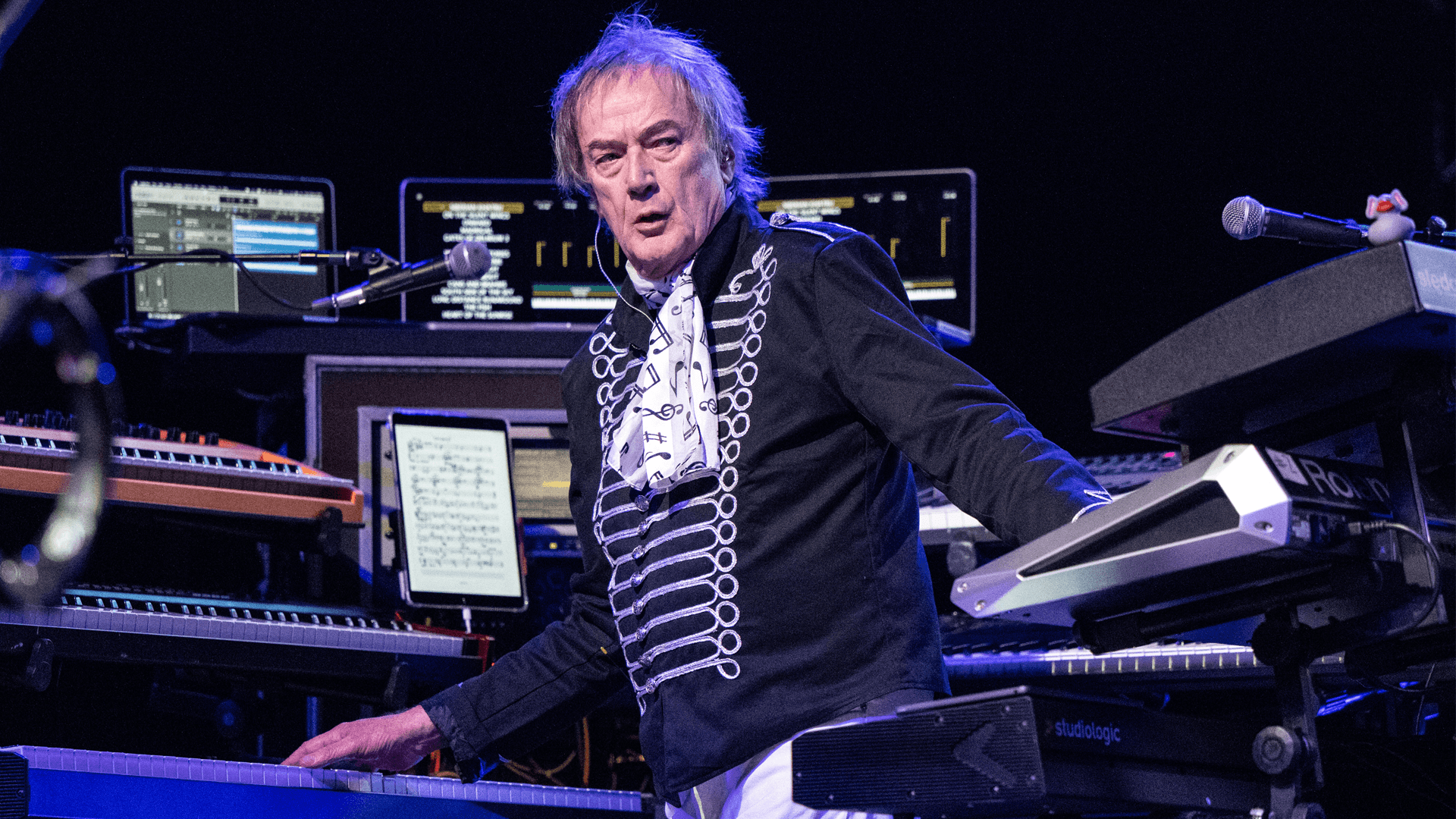
Geoff Downes once had 28 keyboards onstage, which is the kind of number that tells you everything about his priorities. He was never just a player, he was a workflow guy, and that is exactly why the Fairlight story still lands so hard with vintage synth collectors.
Downes was born in Stockport on 25 August 1952 and moved to London to chase music full-time. He answered Melody Maker ads, crossed paths with Trevor Horn, and the two moved through Chromium before landing on the Buggles, where the combination of sharp songwriting and emerging synth tech became the whole point. That pivot produced Video Killed the Radio Star, the 1979 single that became the song forever tied to MTV’s launch, and the kind of cultural crossover that only happens when a synth act stops sounding like a novelty and starts shaping the medium itself.
How the Buggles changed the way keyboards were heard
Video Killed the Radio Star was not just a hit, it was a statement about what keyboards could do in pop. When MTV launched on 1 August 1981, it used that Buggles track as the first video it ever aired, and the channel was initially available only to some households in parts of New Jersey. That detail matters because it shows how quickly a synth-heavy song could move from oddball future-pop to mass culture.
For Downes, the Buggles era was the moment when technology stopped being a garnish and became the architecture of the song. The hooks, textures, and arrangement tricks did not sit on top of the track, they defined it. That is the real lesson for anyone still collecting early digital gear: the machines were not just making sounds, they were changing how songs were built.
What the Fairlight actually changed
The Fairlight CMI, invented in Sydney in 1979 by Kim Ryrie and Peter Vogel, was a different species of instrument. The National Film and Sound Archive of Australia describes it as the world’s first polyphonic digital sampling synthesizer, and that is the right starting point, but the hardware story is even more revealing. Its roots trace back to a dual-6800 microprocessor system developed by Tony Furse, which tells you this was born out of engineering ambition before it ever became a symbol of luxury.
The Fairlight was not a one-box synth in the usual sense. It was a computer mainframe with music and typewriter keyboards plus a light-pen display, which meant you were not just playing the instrument, you were editing it. That changed arranging in a very practical way: instead of building a track only from oscillators and filters, you could bring in sampled sound, place it in the arrangement, and shape the result like a producer with a razor blade and a score sheet at the same time.
That is why the Fairlight mattered to keyboard culture. It pushed keyboard players toward the role of programmer, arranger, and sonic designer. If you wanted the future, you had to think in layers, triggers, and edits, not just chords.
The Kate Bush moment that made the Fairlight iconic
The best single image in the whole Fairlight mythology is Kate Bush walking into Townhouse Studios, seeing the machine, and asking what it was. That anecdote works because it captures the exact moment digital sampling crossed from exotic lab hardware into the hands of serious artists who could hear the creative potential immediately.
A machine like that does not become legendary just because it was expensive. It becomes legendary because artists with taste recognized that it could change their process. The Fairlight was a symbol of a new studio reality, where composition, sound design, and playback were starting to blur into one workflow.
Why Downes belongs in the same conversation as the Fairlight
Downes did not just play keyboards around the Fairlight era, he helped normalize the idea that a keyboardist could be a technological early adopter with mainstream reach. After the Buggles, he carried that mindset into Yes and Asia, where he helped shape arena-sized songs such as Heat of the Moment while still keeping the harmonic and technical edge that made his earlier work stand out.
That balance is the reason his career still matters to collectors and players. He is a reminder that the most valuable vintage gear is not just rare, it is tied to a player who knew how to deploy it in a real song. A Fairlight sitting in a museum case is interesting. A Fairlight in the hands of someone turning pop into a new language is the reason people still chase the machine in the first place.
Why collectors still chase the workflow, not just the logo
The modern Fairlight obsession is bigger than nostalgia. Players and collectors are chasing a specific way of working: sampling as composition, programming as arrangement, and a keyboard setup that behaves more like a studio than a single synth. That is why the Fairlight still sits at the center of vintage digital discussions, even for people who will never own the original hardware.
The real value is in the set of ideas it taught the scene. Sampled sound could be musical material. Editing could be performance. A keyboard rig could be a full production environment. Once those ideas took hold, they rewired what people expected from digital instruments, and they still shape what gets prized in the used market now.
Downes now: still active, still relevant
Downes is not a figure trapped in a museum loop. He is still working, co-writing tracks for Yes’s forthcoming Aurora, which the band has announced as its 24th studio album and set for release on 12 June 2026 via InsideOutMusic and Sony Music. Yes has also confirmed new dates for the rescheduled Fragile UK Tour in May 2027, and tickets already bought for the tour remain valid.
That matters because it closes the loop between then and now. The same musician who helped turn a synth-forward single into a cultural landmark is still part of a living band history that includes Steve Howe, Jon Davison, Billy Sherwood, and Jay Schellen. Downes has spent his career proving that keyboard culture is strongest when it is both technically fluent and fully willing to chase a hit.
The Fairlight did not just change what keyboards sounded like. It changed what they were for. Downes was there when that shift became visible, and that is why his story still defines the gear people hunt, the workflows they copy, and the records they keep coming back to.
Know something we missed? Have a correction or additional information?
Submit a Tip