How to buy a vintage synth, check revision, condition and service history
The cheapest vintage synth is often the one with the cleanest revision and service paper trail. Miss the voice chips, power supply, or keybed, and the “deal” gets expensive fast.
A Prophet-5 with a clean front panel can still hide a very expensive repair bill. Before you hand over collector money, you need to know the revision, the service history, and whether the keybed, sliders, voices, and power supply have already been through the work that old instruments eventually demand.
Buy the condition, not the badge
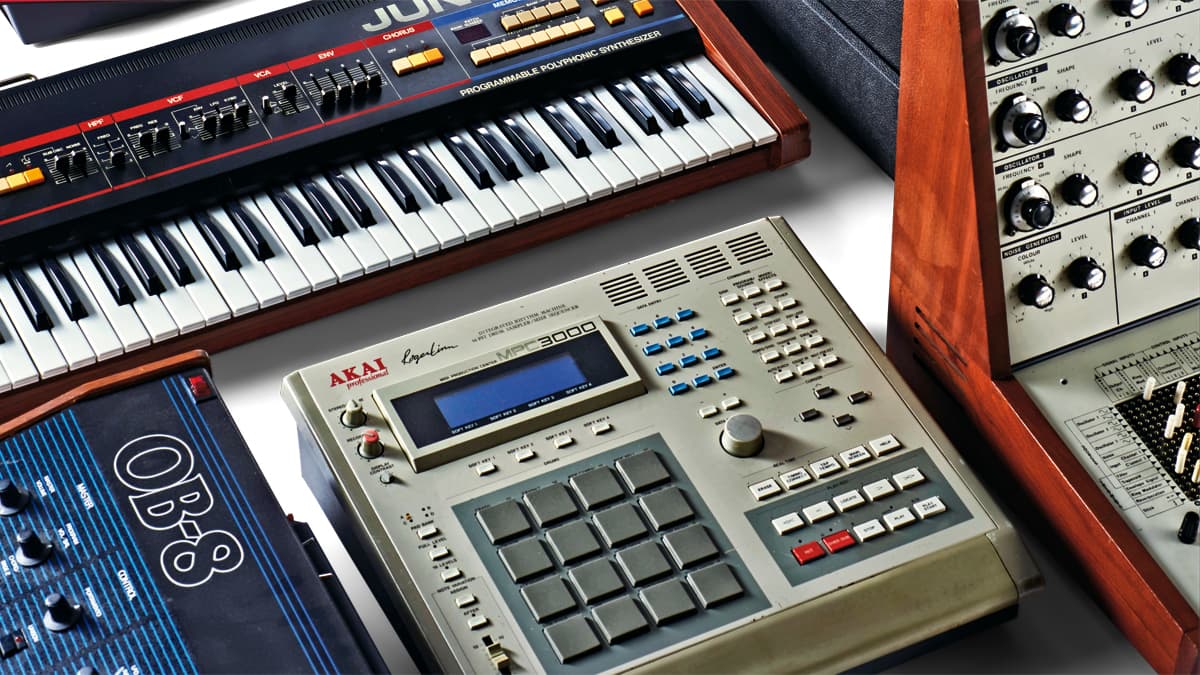
MusicRadar titled its retro buyer’s guide “Retro buyer’s guide: vintage synths and more,” but the premise is simple: this is not just about chasing a famous name. A vintage synth that looks mint in photos can be a project the moment you plug it in, and the market is full of machines that are similar on a listing page but very different on a bench. The smart purchase is the one where condition, originality, revision, and service history line up, not the one where the logo is doing all the heavy lifting.
Revision changes the instrument
The Sequential Prophet-5 is the clearest example of why revision matters. Introduced in 1978, it helped bring affordable polyphony to the market as a polyphonic analog synthesizer. But a Prophet-5 is not just a Prophet-5: early Rev 1 and Rev 2 models use SSM-based voice circuitry, while Rev 3 units switched to Curtis chips.
The Rev 3 is generally more stable and easier to service, while the earlier versions carry a different tone and a different maintenance burden. The first 10 Prophets sold went to Rick Wakeman, David Bowie, and Joe Zawinul among the early owners.
Late-1970s and early-1980s synth design was shaped by custom-chip makers like Solid State Micro Technology for Music and Curtis Electromusic Specialties. Those chips helped make polyphonic synths more practical and cost-effective, but they also created a long tail of repair and parts issues.
What to inspect before you buy
If you can touch the synth, start with the basics and do not let the seller rush you. Power it on cleanly and listen for startup problems, weak outputs, or unstable tuning. Play every key, not just a chord or two, and check whether every voice triggers at the same level.
Then move to the surfaces and the mechanics:
- Sliders and pots should move without crackling, dead spots, or sudden jumps.
- The keybed should feel even across the whole range, with no sticking or missing notes.
- Battery-backed memory should still hold patches if the instrument relies on it.
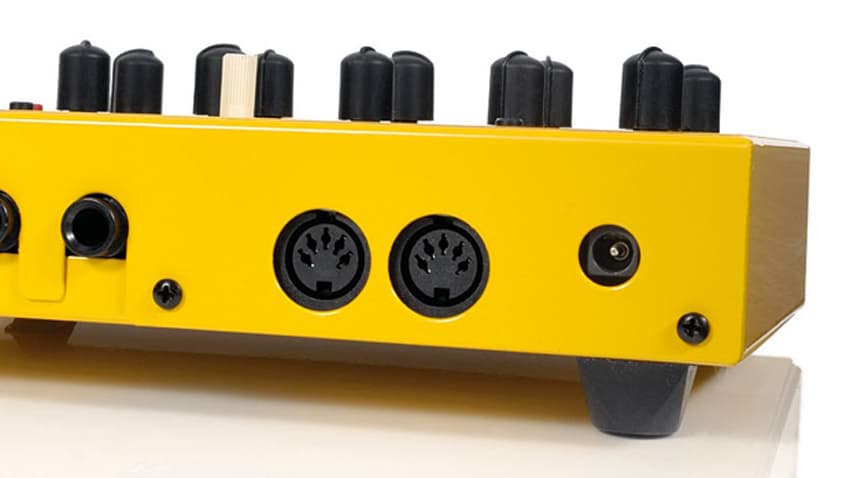
- Jacks, switches, and sockets should feel solid, not oxidized or loose.
- Any MIDI retrofit, aftertouch repair, or modern power-supply work should be clearly documented and done professionally.
A tasteful retrofit can be a plus for a working player, but only if it is reversible and the original state is not trashed in the process. If the seller cannot tell you what was modified, when it was done, and by whom, you should treat the price as if it includes a service bench.
The Juno-106 lesson
The Roland Juno-60 and Juno-106 look closely related, but ownership is very different once you open the hood. The Juno-60 is often prized for its simpler architecture and built-in sequencer. The Juno-106, by contrast, is famous for voice-chip failures tied to the black epoxy coating on the chips.
On a Juno-106, the buyer question is whether all voices are healthy, because those chips were not meant to be used for 30-plus years and they do fail. A unit with one dead voice may still look like a bargain online, but the real cost depends on whether replacement parts are available, whether a repair strategy is already in place, and whether the seller has actually tested each voice instead of just hearing notes come out of the speakers.
Restoration is not parts-swapping
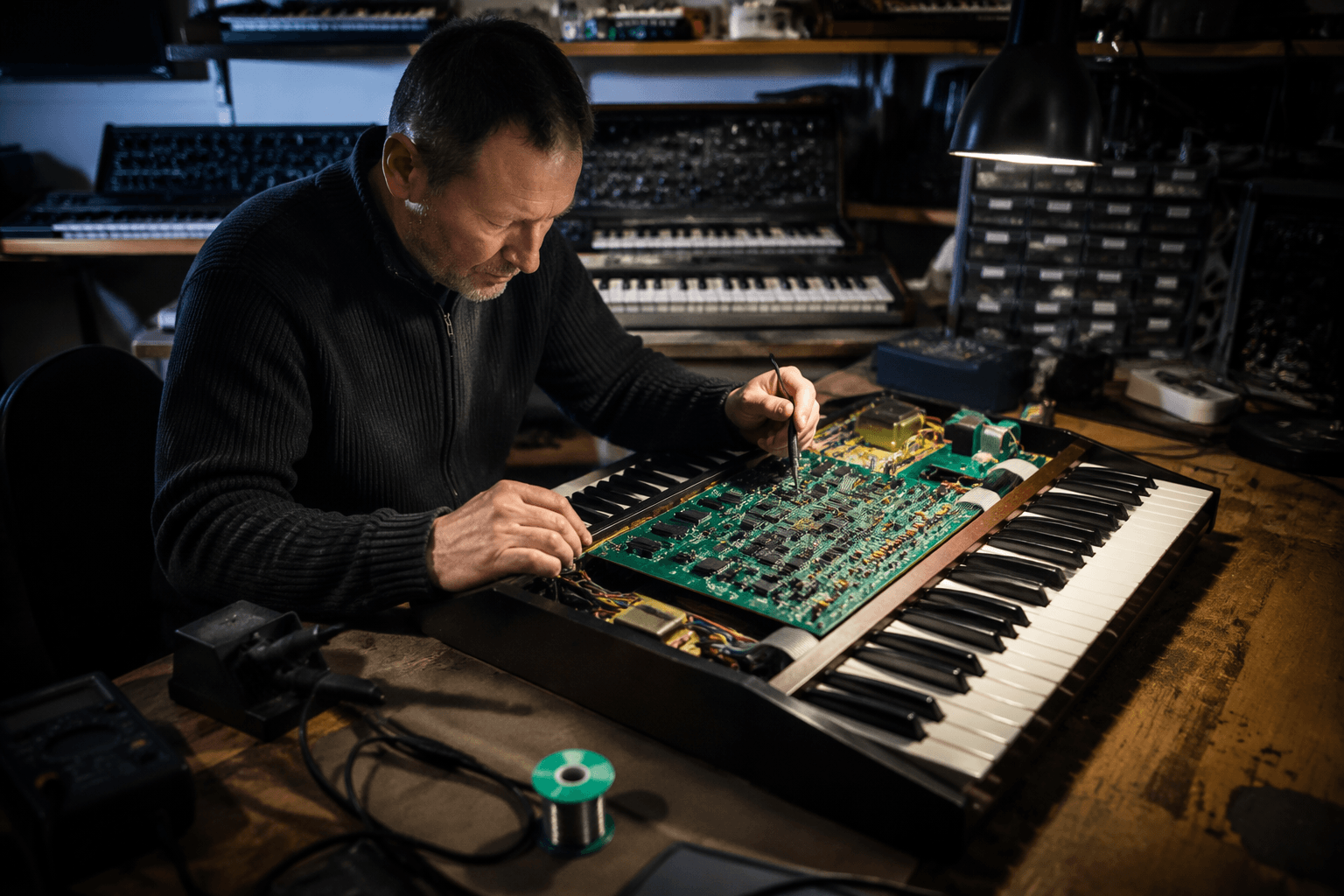
A proper restoration is not the same thing as someone bolting in random replacement parts and calling it a day. On Prophet-5 restoration paths, the common work is unglamorous but essential: power-supply rebuilds, capacitor replacement, battery replacement, pot repair, and keybed refurbishment.
Those are the jobs that decide whether the synth becomes reliable or keeps draining money after the sale. They also tell you whether the price reflects the instrument’s true state. A clean, serviced power supply and a healthy keybed are worth real money because they save you from immediate downtime. A board swap with no paperwork is much less reassuring, especially when the original voice cards, calibration, or parts provenance are unclear.
Why voice cards and calibration still matter
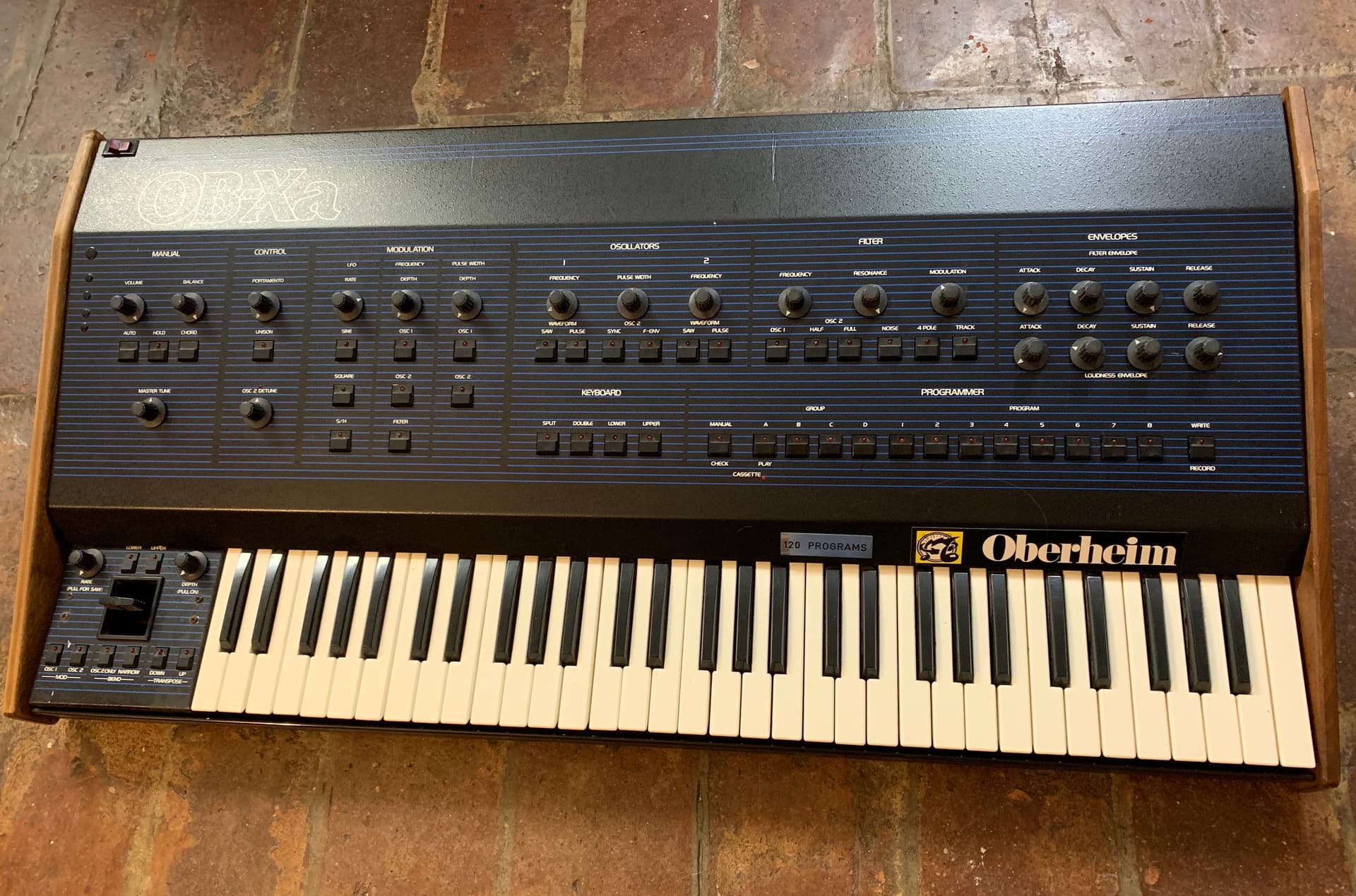
An Oberheim OB-X asks the same question in a different language. On a multi-voice synth like that, voice-card health, calibration, and consistency across voices decide whether the instrument feels like a classic or a temperamental set of parts. The cosmetics can be beautiful and the tone can still fall apart if one card is drifting or the voices no longer track each other properly.
This article was produced by Prism’s automated news system from verified source data, official records, and press releases, then run through automated quality and moderation checks before publishing. The system is built and supervised by the people who set the standards it runs under. Read our full AI policy.
Did this article answer your question?