Hatha yoga may help manage diabetes, hypertension and heart disease
A Frontiers review says Hatha yoga may support blood sugar, blood pressure and lipid control, but it is still a complement, not a cure-all.

A real-world answer to a sedentary health crisis
In Geneva, the World Health Organization has been warning that deskbound living is no small habit problem. Nearly 1.8 billion adults, or 31% of the global adult population, were not meeting recommended physical-activity levels in 2022, and that share has climbed by about 5 percentage points since 2010. If current trends continue, inactivity could reach 35% by 2030. That matters because physical inactivity is one of the leading risk factors for noncommunicable-disease mortality, the same burden that feeds type 2 diabetes, hypertension and cardiovascular disease.
That is the backdrop for a new review that puts Hatha yoga in a more serious frame than the usual wellness hype. Instead of treating yoga as a vague lifestyle fix, the paper asks a sharper question: where does it actually move the needle for blood sugar, blood pressure and metabolic risk, and where does the evidence still need to tighten up?
What the Frontiers review actually looked at
The review, titled *Yoga Interventions and Randomised Controlled Trials: Key Issues and the Centered Impact on Sedentary Lifestyle-Associated Cardiometabolic Disorders*, was published on 17 March 2026 in *Frontiers in Clinical Diabetes and Healthcare*. It was written by Rakhi Radhamani and Shyam Diwakar, and it examined 18 randomized controlled trials focused on patients diagnosed with non-communicable diseases.
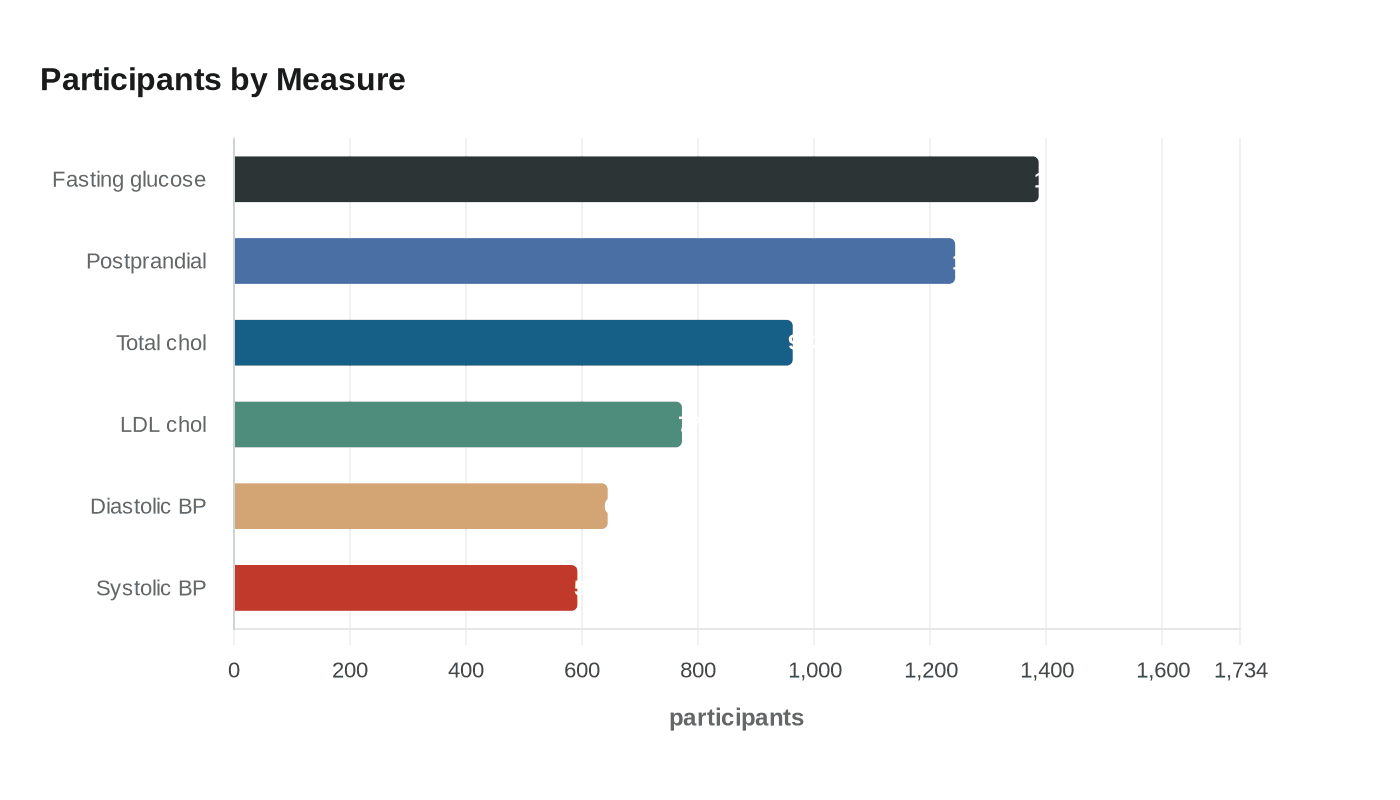
The pooled analyses were built around hard cardiometabolic measures, not lifestyle slogans. The review pulled together outcomes for diastolic blood pressure, with 644 participants, systolic blood pressure, with 592, fasting blood glucose, with 1,387, postprandial blood sugar, with 1,243, total cholesterol, with 963, and LDL cholesterol, with 772. In other words, this was a look at the numbers clinicians actually track when they are trying to manage risk, not just at how relaxed someone feels after class.
Where Hatha yoga appears to help most clearly
The strongest practical takeaway is that Hatha yoga seems most relevant as a complementary intervention for people already living with cardiometabolic risk. Across the trial pool, yoga training improved stress-related physiological responses, reduced the risk of hypertension, supported diabetes management and helped regulate lipid biomarkers associated with cardiovascular disease when compared with control conditions such as usual care or physical exercise.
Blood pressure
Blood pressure is one of the clearest places where the review found a signal. The pooled data covered 644 diastolic and 592 systolic observations, and the findings pointed toward lower hypertension risk in yoga groups. That does not mean yoga replaces medication or standard medical follow-up, but it does suggest that a regular Hatha practice can be part of a real blood-pressure plan, especially for people whose routines leave them sitting for most of the day.
Blood sugar
The glucose findings are equally important, particularly for people trying to keep type 2 diabetes in check or prevent a slide toward it. The review pooled fasting blood glucose across 1,387 participants and postprandial blood sugar across 1,243, and reported that yoga supported diabetes management. That is a meaningful distinction: the signal is about helping manage glucose, not about curing diabetes or flattening every spike on its own.
Lipids and cardiovascular risk
The lipid results also matter because heart disease risk often builds quietly through cholesterol patterns long before symptoms appear. The review pooled total cholesterol in 963 participants and LDL cholesterol in 772, and found that yoga helped regulate lipid biomarkers associated with cardiovascular disease. For readers balancing long work hours, stress, and too little movement, that is the kind of result that makes yoga feel less like a fringe recovery tool and more like a credible part of a prevention strategy.
What the review does not prove
The authors also flag the part of the story that often gets lost in social media claims: the evidence is promising, but it is not uniform. Study heterogeneity limited the precision of the pooled estimates, which means the trials differed enough in design, populations or comparison groups that the results cannot be treated as perfectly precise.
That limitation is the reality check. It means Hatha yoga looks useful, especially for cardiometabolic support, but it does not justify the broader claims that often follow yoga around online, such as one-practice-fixes-all promises for detox, chronic disease reversal or guaranteed longevity. The review supports a narrower and stronger claim: Hatha yoga is being studied as a feasible, low-cost complementary option for prevention and management in sedentary lifestyle-associated disease.
Why this matters now for the yoga community
The WHO’s physical-activity figures make the case for practicality. When inactivity is rising worldwide and projected to keep climbing, the most valuable interventions are the ones people can actually sustain. Hatha yoga fits that brief better than many more intense programs because it is accessible, adaptable and already familiar to a wide range of practitioners.
That does not make it magic. It does make it relevant. For someone trying to lower cardiometabolic risk, especially someone juggling a desk job, rising blood pressure or diabetes monitoring, the evidence now supports thinking of Hatha yoga as a legitimate part of the weekly routine, alongside medical care, movement and other behavior changes. The bigger message is simple: the wellness buzz is bigger than the data, but the data are strong enough to keep yoga in the prevention conversation.
This article was produced by Prism’s automated news system from verified source data, official records, and press releases, then run through automated quality and moderation checks before publishing. The system is built and supervised by the people who set the standards it runs under. Read our full AI policy.
Did this article answer your question?