Morning yoga boosts sleep, mood, and healthier choices, study finds
A Bengaluru trial found 6 a.m. yoga outperformed evening practice for sleep, energy, morningness and junk-food cuts, while both beat no yoga.
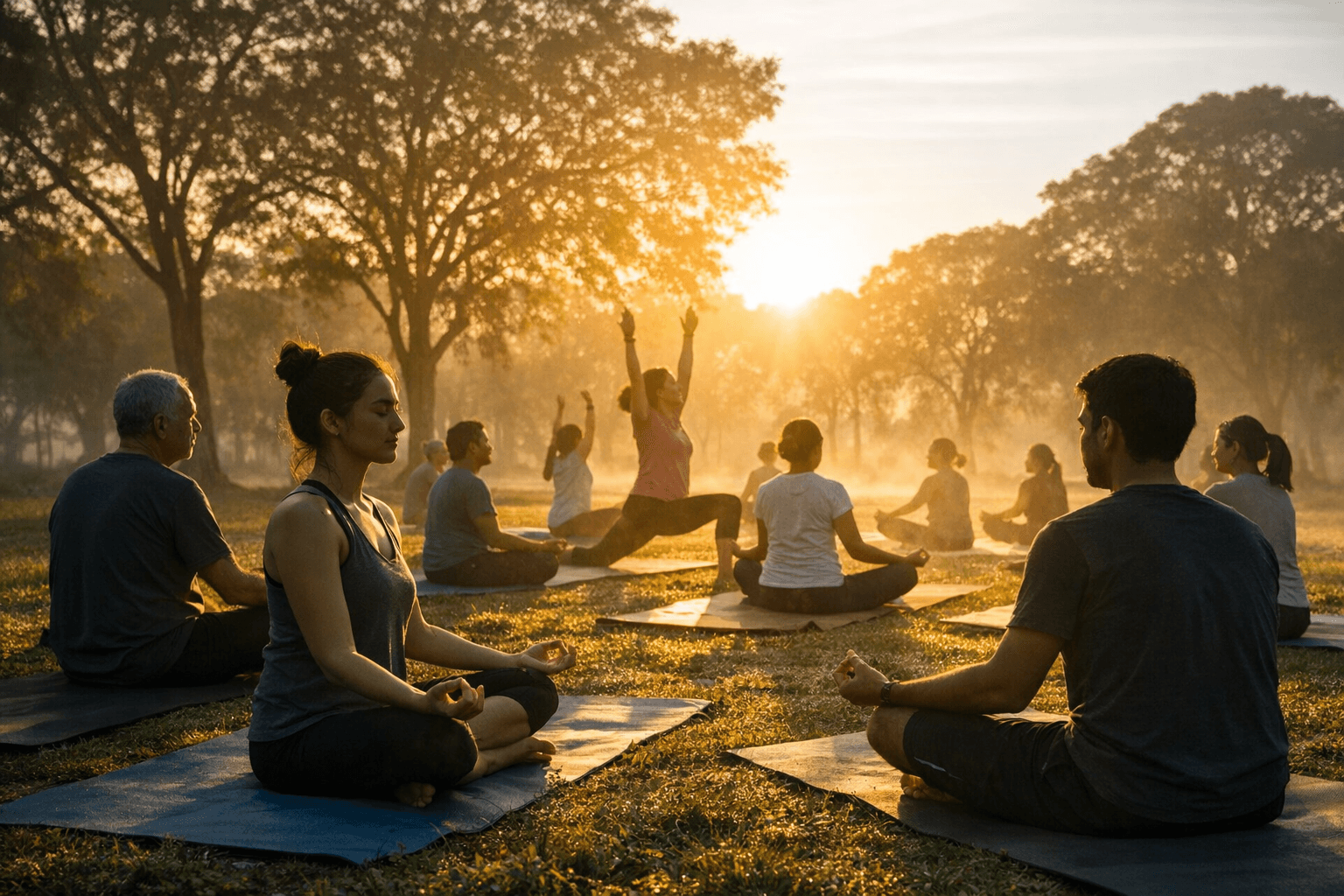
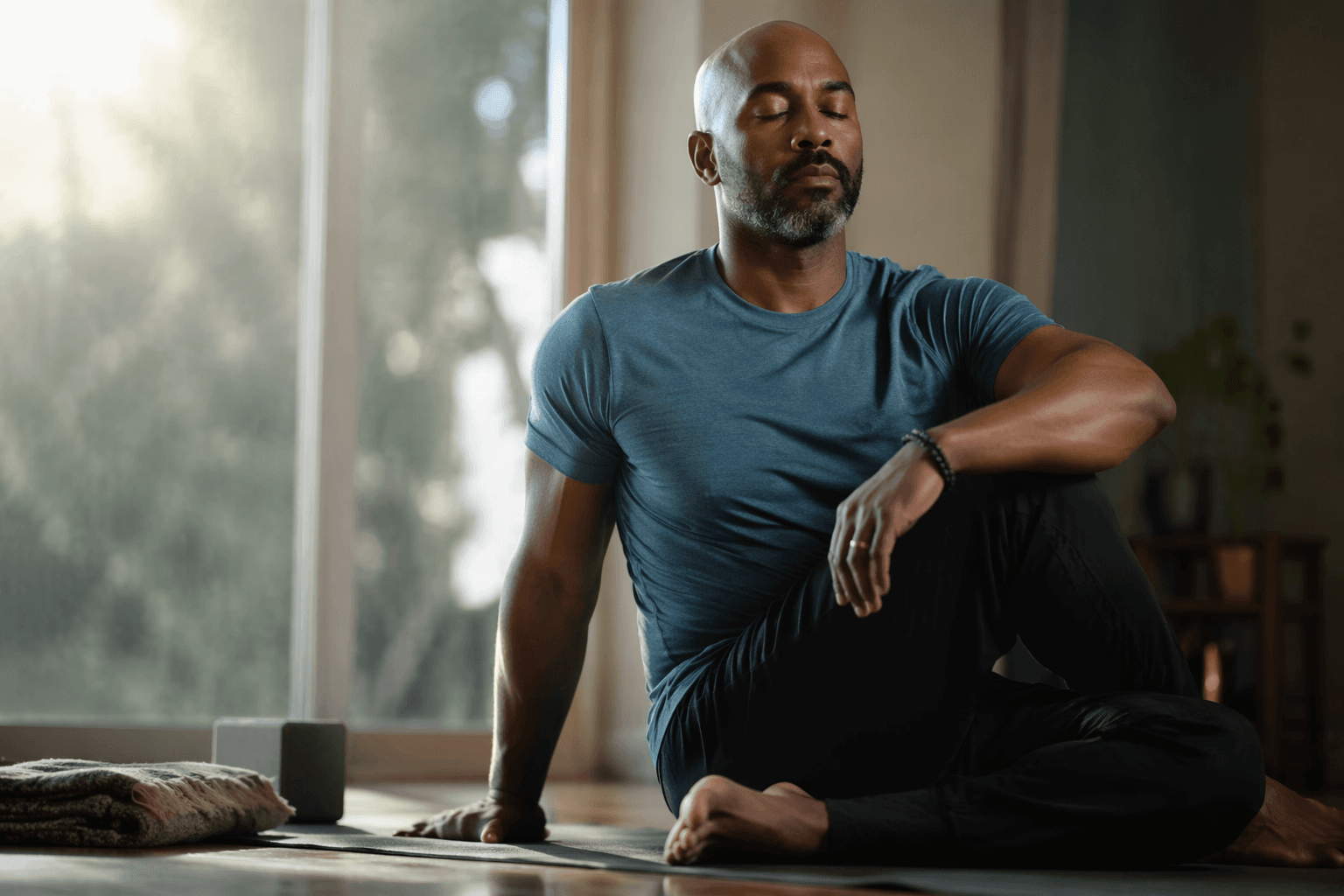
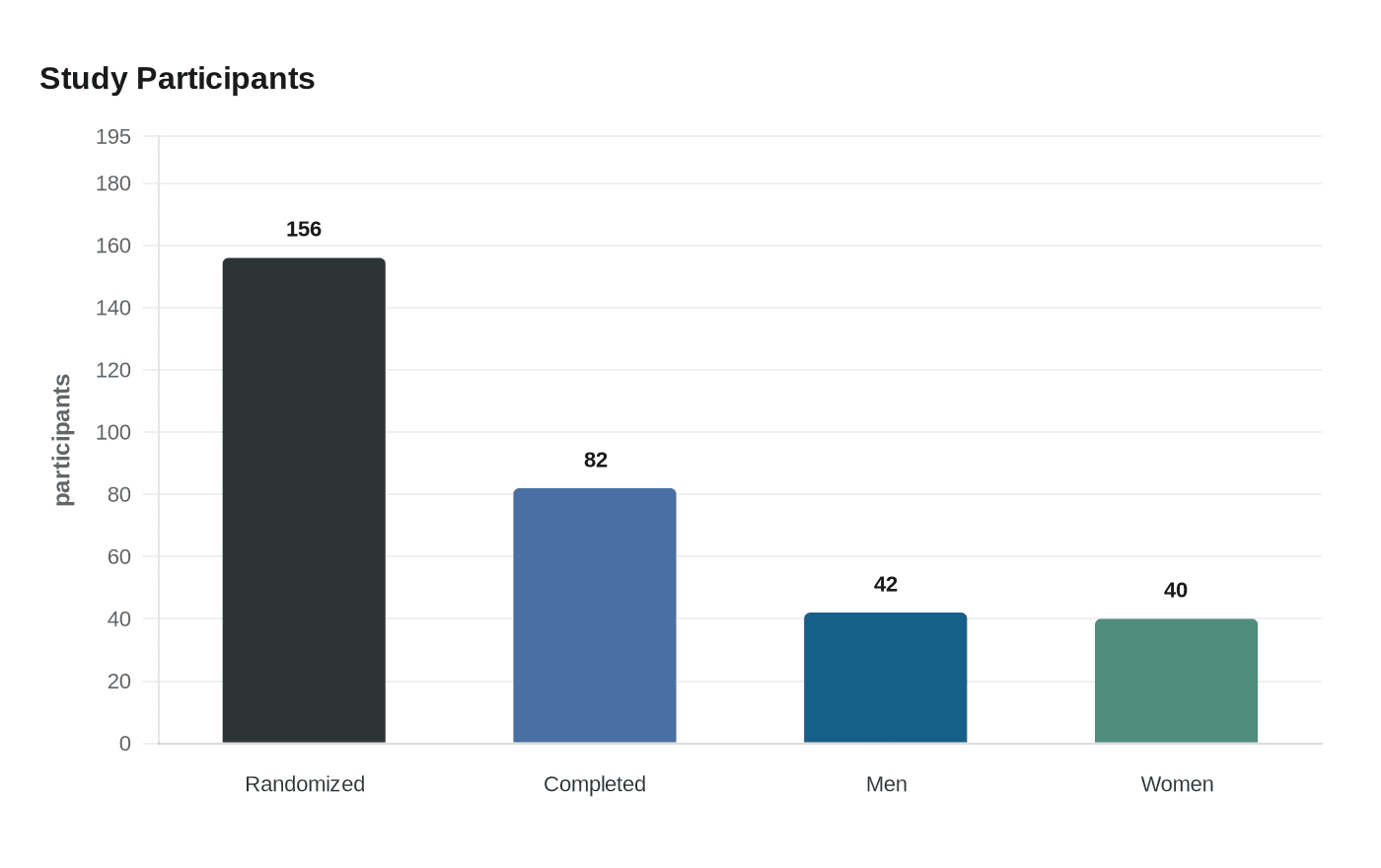
If you want yoga to do more than feel good in the moment, timing mattered. In a randomized trial of 156 postgraduate students in Bengaluru, the 6:00 a.m. to 7:00 a.m. group came out ahead of the 6:00 p.m. to 7:00 p.m. group on sleep, morning alertness, mood traits and diet, suggesting that circadian strategy may shape the payoff as much as the practice itself.
The three-arm study, run from May 2022 to March 2023 at a business school in Bengaluru, assigned students to morning yoga, evening yoga or a wait-list control. Eighty-two participants finished the four-week tele-yoga program, practicing one hour a day, five days a week. The completers had a mean age of 22.54 years, and the group was nearly evenly split, with 42 men and 40 women.
Both yoga groups beat the control arm on quality of life, psychological health, sleep and lifestyle measures. But the morning session delivered the clearest edge. Compared with controls, morning yoga significantly improved energy and restfulness, reduced sleep disturbances and increased morningness. It also raised sattva traits, a positive mental health measure in the Vedic Personality Inventory, and reduced junk food intake.
Evening yoga still had its own benefits, but they were narrower. The evening group reduced sadness and improved some well-being measures, yet it did not match the morning group on the sleep and lifestyle gains that stood out most strongly in the paper. On the study’s full set of outcomes, morning practice also outperformed evening practice on sleep disturbances, morningness, sattva and junk food intake, with reported significance levels ranging from p = 0.004 to p = 0.03.
The work was titled Dawn vs. Dusk: Yoga practice timing shapes sleep, mood and well-being in young adults and was published in the Journal of Ayurveda and Integrative Medicine. The author team included Sanjib Kumar Patra, Raghavendra Bhat, Manjunath N K, Apar Avinash Saoji and H. R. Nagendra, with affiliations spanning NIMHANS-Bengaluru, Swami Vivekananda Yoga Anusandhana Samsthana and the Department of Yoga at the Central University of Rajasthan in Rajasthan, India. For yoga practitioners watching the clock, the message was sharp: the mat can matter, but the hour may matter too.
This article was produced by Prism’s automated news system from verified source data, official records, and press releases, then run through automated quality and moderation checks before publishing. The system is built and supervised by the people who set the standards it runs under. Read our full AI policy.
Did this article answer your question?