Yoga Now Routine for Many Older Adults, Study Finds
A 16,144-person COSMOS survey found most older adults used complementary therapies, while doctors still lack clear data on how they are used.
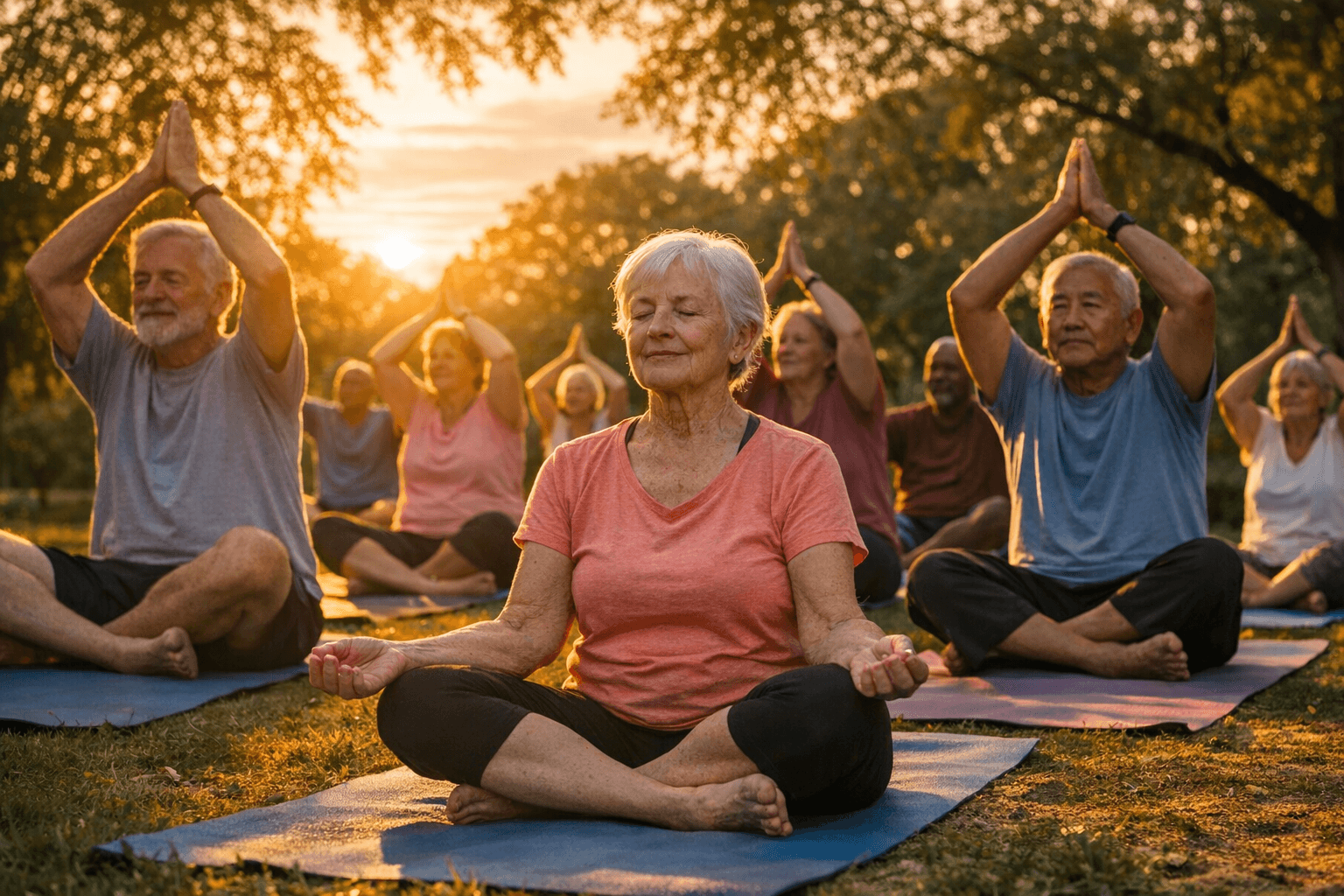
Yoga has become part of the regular wellness routine for many older adults, even as medicine still has only a partial picture of what it does for them. In a Mass General Brigham analysis of 16,144 people in the COSMOS trial, 58.8% said they used at least one complementary health approach in the past year and 76.4% said they had used one at some point in their lives.
The study, published in the American Journal of Medicine in April 2026, looked at six categories of complementary care: manual therapies, mind-body therapies, herbal products, acupuncture, spiritual practices and cannabis or psychedelics. Yoga sat inside that broader mind-body picture, a sign that the practice is now part of a much larger pattern of self-directed health management among older adults.
What the study did not measure is just as important. It did not ask why participants used these approaches, how often they used them, how intensely they used them or whether they found them effective. That leaves a clear gap between routine use and clinical knowledge, especially for a population that often uses yoga alongside conventional care.
Lead author Dennis Muñoz-Vergara said the work helped fill in what researchers previously did not know about the characteristics of older adults who use these therapies. The team also said the COSMOS analysis was one of the largest studies of complementary therapy use in this age group. Still, the researchers noted that COSMOS participants came from a supplement trial, so the sample likely skewed healthier, more engaged and more affluent than older adults across the United States.
The trend line points in the same direction. The study abstract said U.S. complementary health approach use rose 17.5% between 2002 and 2022. For yoga readers, that matters because the practice is no longer a boutique add-on at the margins of wellness culture. It is part of a mainstream set of behaviors older adults are already using to manage aging, stress and daily function.
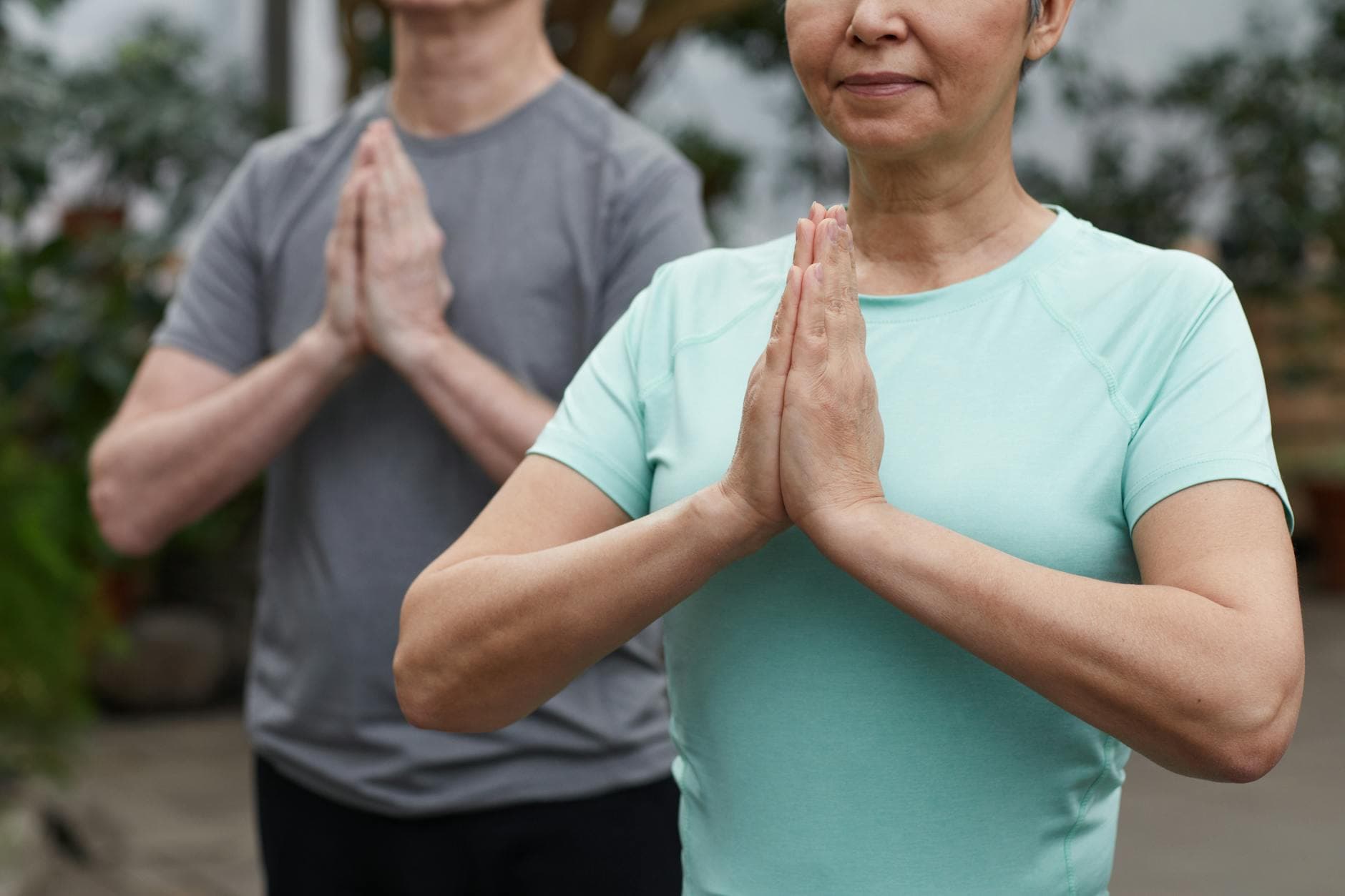
That helps explain why the evidence base around yoga keeps drawing attention. The National Center for Complementary and Integrative Health describes yoga as combining physical postures with breathing techniques and relaxation or meditation. A 2016 systematic review and meta-analysis found yoga-based exercise improved balance and physical mobility in people 60 and older, while a later review found effects on balance, gait and lower-limb strength were inconsistent in older women.
The public-health backdrop is striking. The Centers for Disease Control and Prevention says adults 65 and older need aerobic, muscle-strengthening and balance activity each week, and the American Medical Association reported in 2025 that fewer than 15% of adults 65 and older meet recommended amounts of aerobic and muscle-strengthening activity. In that context, yoga looks less like a niche trend and more like a default self-management tool for aging, even before medicine has fully caught up.
This article was produced by Prism’s automated news system from verified source data, official records, and press releases, then run through automated quality and moderation checks before publishing. The system is built and supervised by the people who set the standards it runs under. Read our full AI policy.
Did this article answer your question?