ICSE Adds Ayurveda and Yoga to Environmental Science Curriculum
CISCE put Ayurveda and yoga into Classes IX-X environmental science, turning them from assembly-time add-ons into classroom learning with national board reach.
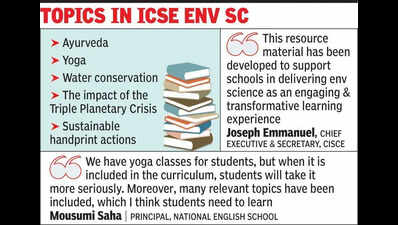
The Council for the Indian School Certificate Examinations has moved Ayurveda and yoga into the core of Class IX and X environmental science, and that is a bigger shift than a curriculum tweak. For students in CISCE schools, yoga is no longer just a cultural reference or an extracurricular badge of identity. It is now part of formal learning, wrapped together with health, ecology and traditional knowledge.
The council’s new resource material for ICSE Environmental Science, uploaded in April 2026, says it is aligned with the National Curriculum Framework for School Education 2023 and was developed to make the subject more engaging and transformative. Joseph Emmanuel, the council’s chief executive and secretary, said the resource was “thoughtfully developed to help schools and teachers deliver environmental science as an engaging and transformative learning experience.” That is the clearest signal yet that CISCE wants this material used as a teaching framework, not just a reference document sitting on a shelf.
What stands out in the syllabus is the way yoga is being taught. The material does not treat it as a set of poses. It places yoga alongside Ayurveda, medicinal plants, traditional crops such as millets, traditional rice varieties, spices, food and nutrition, health and wellness, water conservation, weather prediction and resource-use efficiency. The document frames those topics as part of the relationship between traditional wisdom and a sustainable economy, which pushes yoga into the same conversation as environmental awareness and critical thinking.
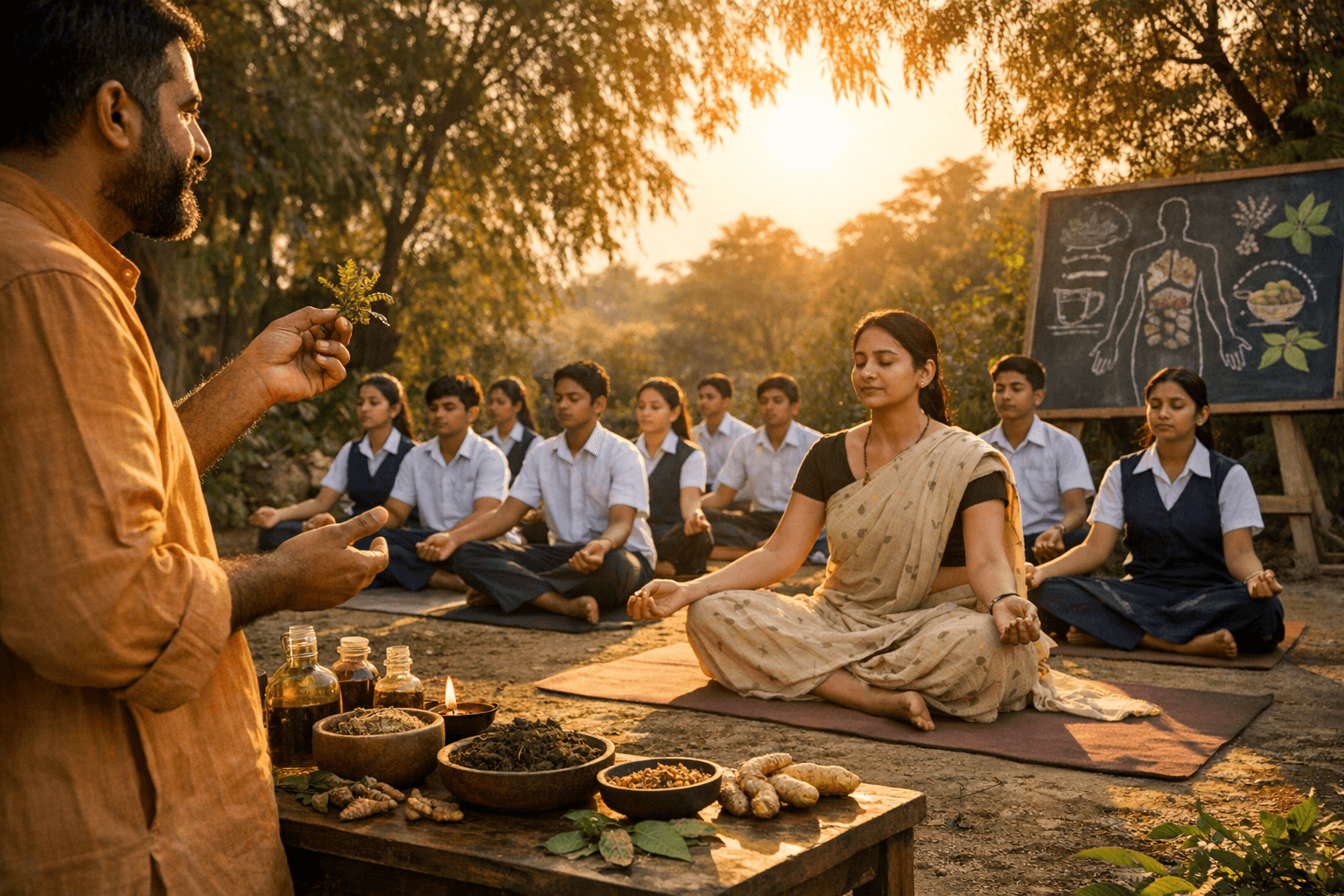
That direction tracks closely with the National Education Policy 2020, which says Indian Knowledge Systems, including tribal knowledge and indigenous and traditional ways of learning, should be included throughout the school curriculum wherever relevant, including yoga and medicine. CISCE’s own yoga syllabus material goes a step further, bringing in Patanjali and his contributions to yoga and Ayurveda. The message is plain: yoga is being formalized as an academic subject with textual, historical and practical dimensions, not just a wellness habit.
The change matters because CISCE is not a niche player. Established in 1958, the board says it has more than 2,600 affiliated schools in India and abroad. That gives this curriculum move a wide footprint, and it could shape how a large generation of students learns to think about yoga, not as a market category or a one-day celebration, but as part of education, public health and Indian intellectual tradition.
Know something we missed? Have a correction or additional information?
Submit a Tip