Power yoga poses that build core stability and endurance
Power yoga is not just a stretch class. These five poses turn it into a test of core control, balance, and endurance.

Power yoga is the part of the practice that makes your midsection earn its keep
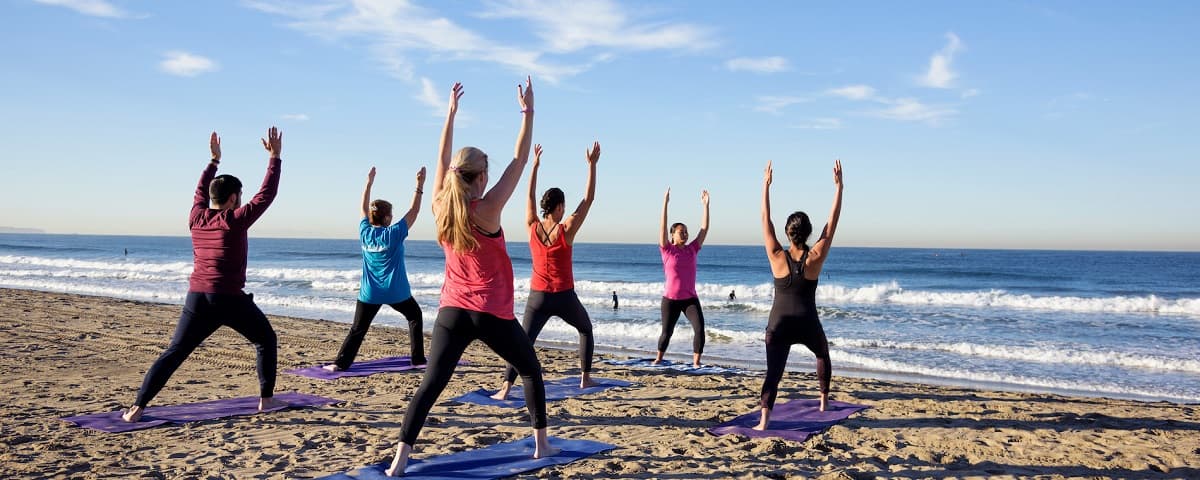
If you are choosing between yoga for strength and yoga for flexibility, power yoga sits much closer to training than stretching. NewsBytes frames it as a dynamic form that blends strength, flexibility, and endurance, and that is the right lens if you care about how a class feels when plank starts to shake and Warrior III stops being decorative.
The useful shift here is simple: core work in yoga is not about chasing a six-pack pose. It is about stabilizing the spine, controlling the pelvis, and holding shape under load. That is why the best power yoga sequences use poses that make you resist collapse, not just look long and lean.
Why plank is the anchor
Plank is the cleanest example of power yoga as functional strength. ACE Fitness describes the core as the muscles that stabilize and support the spine, and front plank is one of the most direct ways to ask those muscles to do their job. It targets the core as a whole, recruits multiple muscle groups at once, and needs no equipment, which is why it shows up in studios, living rooms, and rehab rooms alike.
The form cue that matters most is also the one people ignore: keep the body in a straight line and keep breathing. ACE warns that when the core gets tired, the back can dip or the hips can hike up, and that is where plank stops being a strength drill and starts becoming a low-back complaint. If you feel that sag or a pinch in the lumbar spine, stop and reset instead of muscling through.
That emphasis on technique is backed by newer work as well. A 2022 plank-technique study using 19 healthy volunteers found that an IMU-based system could classify acceptable versus aberrant plank technique with more than 86% accuracy. In plain English, plank form is consistent enough to measure, which is another way of saying that small alignment mistakes are real, visible, and worth correcting.
Boat pose asks for abdominal control, not momentum
Boat pose is where the practice turns from static bracing into sustained midsection work. The torso leans back, the legs lift, and balance gets harder fast. That position demands that the abdominal wall stay active while the hips and hip flexors help hold the shape, so it is less about collapsing into a V and more about staying organized under effort.
This is the pose where many beginners overreach. They round the back too aggressively, drop the chest, or keep yanking the shoulders up toward the ears. A better version is smaller and cleaner: keep the chest open, keep the spine long, and use the breath to hold the shape instead of trying to win the pose by sheer force.
Warrior III is the stability test people underestimate
Warrior III looks graceful when it is done well, but it is really a coordination and load-sharing drill. One leg reaches behind the body, the arms extend forward, and the standing side has to keep the entire system from tipping. That makes it a core pose as much as a balance pose, because the trunk has to stabilize while the limbs move away from center.
Yoga International’s guidance is practical and worth taking seriously: use a micro-bend rather than locking the standing knee, avoid hyperextension, and use a wall or blocks for support if the balance starts to break down. Those are not beginner cheats. They are the difference between building control and hanging on by the joints.
Side plank is where the obliques finally get a voice
A lot of core work overfeeds the front of the body and neglects lateral stability. Side plank fixes that. It shifts the demand to the obliques and the side body, which matters if you want a trunk that resists rotation and a pelvis that does not wobble every time you shift weight.
The evidence for side-bridge work is strong enough that it should make anyone who skips it reconsider. One electromyography study found that the rotational side-bridge produced 62.8% MVIC in the external oblique and 69% or more MVIC in the gluteus medius for some variations. Another study concluded that activation at or above 50% MVIC is needed for strengthening, and that side-bridge exercises can strengthen the hip, trunk, and abdominal muscles on the weightbearing side.
There is a second reason side plank belongs in a power yoga class: it challenges the trunk without the high lumbar compression associated with curls or trunk extension. If you want stronger side-body support without beating up your back, that matters.
Dolphin pose bridges upper-body support and abdominal endurance
Dolphin pose earns its place because it is not just an upper-body opener. It asks the shoulders and forearms to support weight while the abdominal muscles stay switched on to keep the torso from dumping forward. That combination makes it useful in a power yoga sequence, especially for students who want to build endurance without relying only on wrist-heavy planks.
What it trains most is the ability to hold tension through the whole front of the body while the upper body carries load. If plank is the straight-ahead test, dolphin is the angled one. It still demands core work, but the shape changes the stress enough to make it a smart complement rather than a duplicate.
What the research says about yoga and core strength beyond the class
The broader health case is solid. The National Center for Complementary and Integrative Health says yoga may improve balance and increase strength when practiced regularly. That lines up with intervention research, not just studio lore.
A 2021 study of 82 young women found that 10 weekly 90-minute beginner hatha yoga sessions improved flexibility, balance, and core muscle strength, with average energy expenditure of 195 kcal per class. A separate 2016 study found that 21 days of Isha Hatha yoga significantly improved core strength and balance in healthy volunteers. The takeaway is not that every class turns into a conditioning session overnight, but that repeated practice can change both how you move and how much work your trunk can actually handle.
How to test a power yoga class before you commit
If you are trying a power format for the first time, do not judge it by how sweaty you get alone. Judge it by whether the instructor gives you enough structure to keep plank, side plank, and Warrior III honest. A good class should make it obvious where your core gives out, but it should also give you room to modify before form falls apart.
A safe first test looks like this:
- Start with plank and watch for low-back sag or hip hiking.
- In Warrior III, keep a micro-bend in the standing knee and use a wall if needed.
- In side plank, drop the lower knee or take the support version if the shoulder or waist starts to wobble.
- In boat, shorten the lever by bending the knees before the spine rounds.
- In dolphin, keep the ribs from flaring and let the abs do their share of the work.
That is the real promise of power yoga: not just more flexibility, but a body that can hold its shape when the work gets messy. If the class leaves you with better control in plank, steadier balance in Warrior III, and less panic in your midsection, you did not just stretch. You trained.
This article was produced by Prism’s automated news system from verified source data, official records, and press releases, then run through automated quality and moderation checks before publishing. The system is built and supervised by the people who set the standards it runs under. Read our full AI policy.
Did this article answer your question?