UCLA study finds Kundalini yoga may help older women’s memory
UCLA’s study points to real promise for Kundalini yoga in older women at Alzheimer’s risk, but it does not prove a miracle reversal.
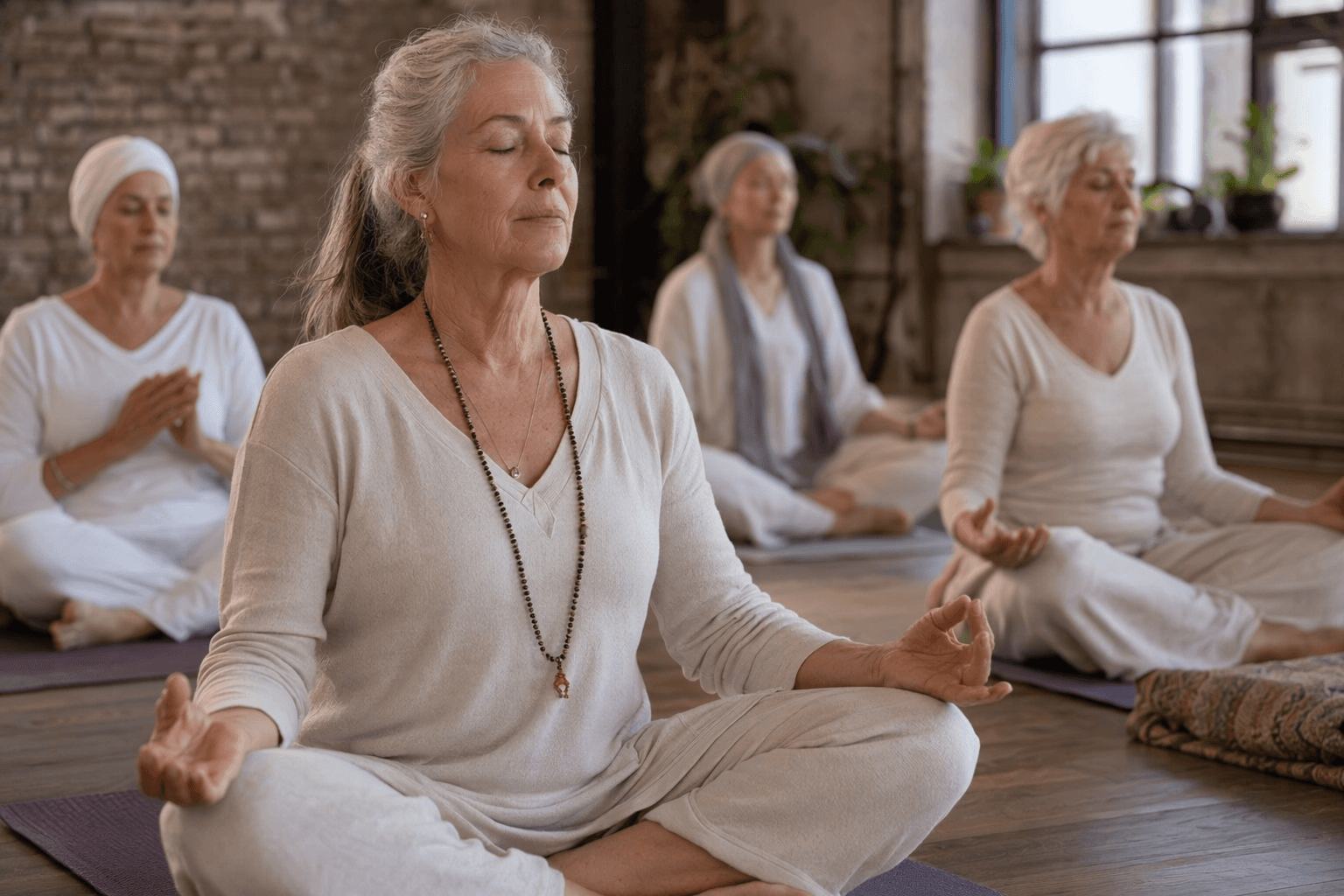
Kundalini yoga did not beat memory training by magic. It beat it the way a practical intervention should, with measurable changes in cognition, memory, and biological markers in older women who were already at elevated Alzheimer’s risk. The catch is just as important: this is early evidence, not proof that yoga reverses dementia.
What UCLA actually tested
The study did not look at random yoga fans chasing better flexibility. It focused on more than 60 postmenopausal women, all age 50 and older, recruited from a UCLA cardiology clinic because they already had self-reported memory issues and cerebrovascular risk factors. That matters, because the goal was not wellness theater. It was to see whether a structured mind-body practice could move the needle in a group that sits closer to the real-world Alzheimer’s risk conversation.
Participants were split evenly between two 12-week programs. One group did weekly Kundalini yoga with daily homework. The other group did weekly memory enhancement training developed by the UCLA Longevity Center, also with daily homework. Researchers then measured cognition, subjective memory, depression, anxiety, blood biomarkers tied to aging and inflammation, and MRI changes in a subset of participants.
That setup is the heart of the story. This was not yoga versus doing nothing. It was yoga versus an active comparison meant to sharpen memory and support brain health.
Why the study centered on older women
UCLA chose postmenopausal women for a reason: women have about twice the Alzheimer’s risk of men, and they make up almost two-thirds of Americans living with the disease. The Alzheimer’s Association puts the number of U.S. women age 65 and older living with Alzheimer’s at about 4.5 million. That makes women a key audience for any serious prevention or delay strategy, especially when the goal is to find something accessible before major decline sets in.
That framing also explains why the study matters to caregivers. In many families, the person paying attention to early memory slips is the same person trying to stay ahead of her own health risks. The UCLA team was looking at a group where prevention, not rescue, is the whole game.
What kind of yoga was used
This was Kundalini yoga, not a fast-flow vinyasa class and not a strength workout disguised as recovery. The intervention emphasized breathing, meditation, and mental visualization. That detail matters because it helps explain why the trial is part of the broader yoga-and-brain-health literature rather than a general exercise story.
If you are trying to translate the findings into practice, that distinction is the first thing to keep in mind. The study tested a highly structured, breath-led format with daily homework, not a casual drop-in class. It also means the results cannot be casually stretched to every style of yoga in every studio.
What changed, and where the signals showed up
UCLA reported that the yoga group showed benefits not seen in the memory-training group. Those included improvements in cognition and memory, plus changes in blood biomarkers linked to aging and inflammation. The research team also reported MRI changes in a subset, including restored neural pathways and less decline in brain matter.
That split between cognitive outcomes and biological outcomes is the key practical takeaway. Cognition and subjective memory are the outcomes most readers care about day to day: remembering names, keeping track of appointments, feeling less mentally foggy. The biomarker and MRI findings are more mechanistic. They hint at how the intervention might be working, but they are not the same thing as proving a disease has been stopped or reversed.
The research team was led by Helen Lavretsky of the UCLA Jane and Terry Semel Institute for Neuroscience and Human Behavior, with colleagues including Prabha Siddarth, Adrienne Grzenda, Lisa A. Kilpatrick, and Dharma S. Khalsa. The larger UCLA project sits inside a 15-year series comparing yoga with memory training as a way to reduce dementia risk factors.
How to read the “reversal” language
This is where the story needs a reality check. Saying the yoga group showed better outcomes than memory training is accurate. Saying the study proved Alzheimer’s reversal is not.
The strongest evidence here points to improvement in early or intermediate markers: memory performance, some cognitive measures, stress- and inflammation-related biomarkers, and MRI changes in a subset of participants. That is encouraging, especially in a population with subjective memory decline and vascular risk. But it is still a step removed from proving that yoga prevents Alzheimer’s disease, halts neurodegeneration for good, or erases the underlying pathology.
That caution is supported by the broader UCLA research stream. Earlier related studies found that Kundalini yoga may better target stress-related hippocampal connectivity, while memory training may better target sensory-integration subregions of the hippocampus. Another related randomized trial reported neuroprotective effects from yoga training compared with memory enhancement training, including help with preserving gray matter and limiting cognitive decline. Taken together, the pattern is promising, but it is still a pattern, not a cure.
What is most useful if you are weighing yoga against memory training
The practical choice here is not yoga versus medicine. It is whether a breath-led, mentally focused practice can be a worthwhile early intervention for women with modifiable Alzheimer’s risk factors. On this evidence, the answer is yes, with caveats.
- If you are considering yoga for brain health, look for a Kundalini-style practice that includes breathing, meditation, and visualization, not just a physical flow class.
- If you are comparing it with memory drills, remember that UCLA tested both with daily homework over 12 weeks, so consistency mattered as much as the class itself.
- If you are a caregiver, the most defensible promise is modest and practical: a structured practice may help support memory, mood, and some biological markers tied to brain aging.
- If you are chasing a headline that says yoga “reverses” Alzheimer’s, slow down. The study supports early benefit, not a finished verdict.
Kundalini yoga has now earned a serious place in the conversation for older women at risk, especially the ones who need something structured, low-barrier, and repeatable. The useful takeaway is not that a mat replaces every other tool. It is that a steady, breath-based practice may be worth adding before the memory slips get louder, while the evidence is still pointing toward prevention rather than rescue.
This article was produced by Prism’s automated news system from verified source data, official records, and press releases, then run through automated quality and moderation checks before publishing. The system is built and supervised by the people who set the standards it runs under. Read our full AI policy.
Did this article answer your question?