Yoga should match age and health, warns Bharatiya Yog Sansthan chief
Des Raj's warning is blunt: yoga only helps when the class fits your age, blood pressure, surgery history and other health risks.
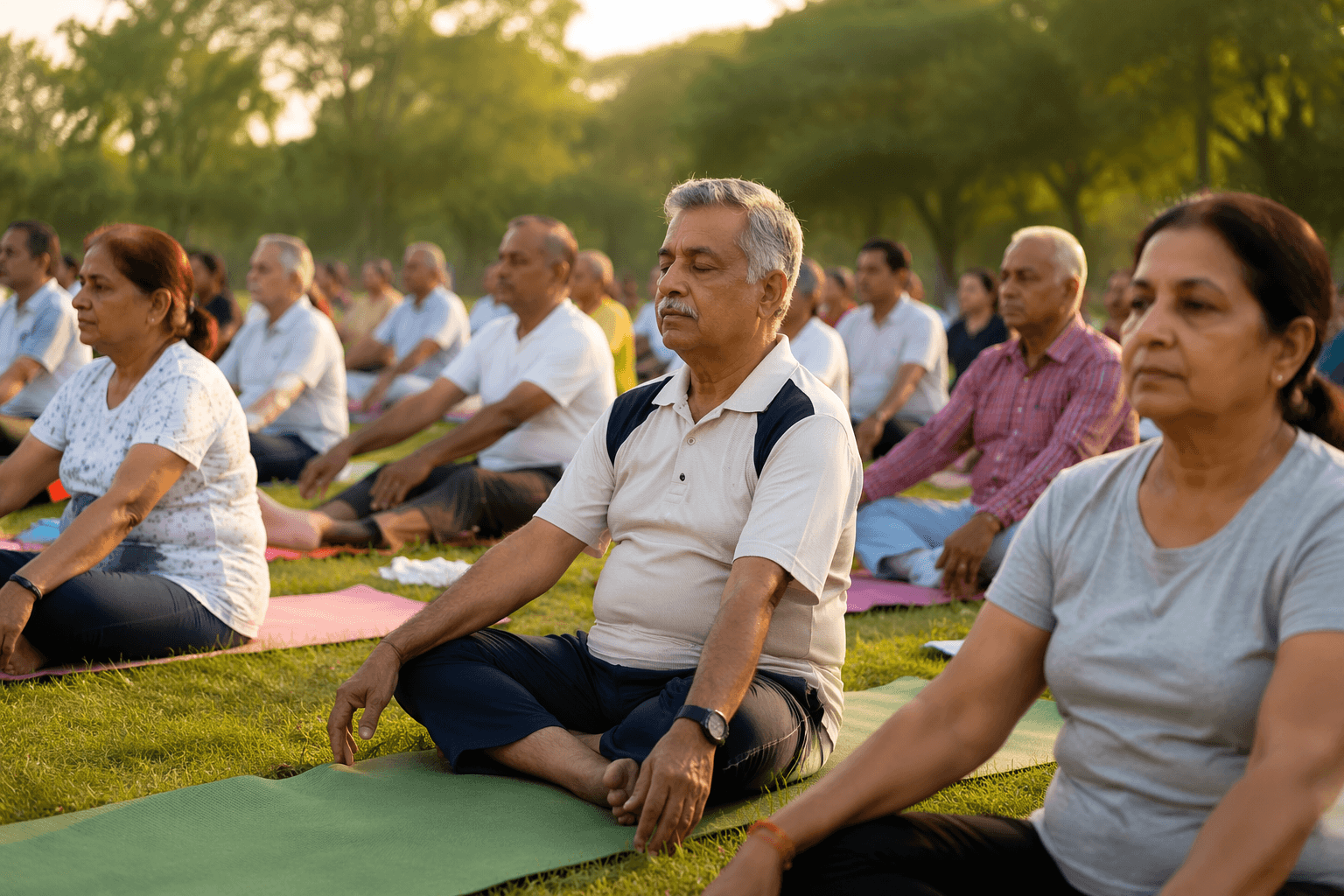
Yoga stops being useful fast when a class ignores who is in the room. In a DD News podcast, Bharatiya Yog Sansthan president Des Raj made the case plainly: practice should match age, health conditions and capability, not a one-size-fits-all script. That matters most for people with high blood pressure, recent surgery or chronic disease, where the wrong pace or pose can turn a wellness class into a bad bet.
What Des Raj is really warning against
This is not a call for softer yoga, it is a call for smarter teaching. Des Raj has been associated with Bharatiya Yog Sansthan since 1985, and the organisation says it was established in April 1987. Today it says it operates more than 4,500 centres across India and 61 centres abroad, so the way it frames safety and modification reaches a lot of classrooms.
That scale makes the message harder to ignore. Bharatiya Yog Sansthan has also pushed large public programmes, including 59th Yoga Day events and 2026 programming on yoga and health, which means its approach to instruction is shaping what a lot of new students hear when they walk into a session. If the cueing is vague, the risk spreads; if the cueing is specific, students learn how to practice without gambling with their bodies.
Why age and health status matter in the room
The World Health Organization’s 2025 Global Report on Hypertension says 1.4 billion people lived with hypertension in 2024, and just over one in five had it under control. The earlier WHO hypertension report said about 4 in 5 people with hypertension are not adequately treated, and WHO has warned that scaling up coverage could avert 76 million deaths between 2023 and 2050. That is the backdrop for every yoga teacher who thinks blood pressure is someone else’s problem.
WHO also identifies age over 65 and co-existing diseases such as diabetes or kidney disease as non-modifiable risk factors. In practice, that means the same flow can feel fine for one student and flatten another. A class that matches age and health will usually slow the transitions, offer steadier balance work, and give cleaner options for floor work and standing poses instead of assuming everybody can follow the same pace.
What personalization should look like for beginners
For beginners, personalization is not about making class easier in a lazy way. It is about reducing the number of decisions a new student has to make while also making the choices obvious. Good instruction tells a beginner what to do when the room gets busy, how to modify if a pose feels unstable, and when to stay with a simpler shape instead of chasing the group.
A teacher who truly personalizes a beginner class should be able to say, in plain language, where to start, what to skip, and how to come out of a pose safely. If the instruction is only “do what feels good,” that is not much of a plan. A beginner needs clearer guardrails: slower pace, room to pause, and permission to use props or stay upright when the floor work is too much on day one.
What seniors should listen for before taking a class
For older students, the question is not whether yoga is allowed, but whether the class respects balance, recovery and blood-pressure swings. WHO’s risk guidance makes age over 65 a real factor, so a class for seniors should not be sold as a generic flow with the same pace as a younger mixed-level group. Look for instructions that leave time between transitions and do not treat getting up and down from the mat as a throwaway movement.
Seniors should also hear specific options, not just encouragement. If the teacher can offer a chair, a wall, or an alternate way to hold a standing pose without embarrassment, that is a class built for actual bodies. If the room treats every modification as a confession, it is not matching instruction to age, it is just pretending everyone arrived with the same knees, lungs and balance.
What matters for hypertension, surgery and other chronic conditions
This is where Des Raj’s caution gets most practical. He warns against unsupervised practice for people with conditions like high blood pressure or recent surgeries, and that lines up with medical guidance that says high blood pressure can increase the risk of complications during an operation and affect recovery afterwards. If you are dealing with hypertension, the class should know it, and the teacher should be able to explain why certain movements are being softened or skipped.
The evidence on yoga and blood pressure is encouraging, but it is not a free pass. A 2025 medical review says yoga can produce clinically relevant reductions in blood pressure in people with hypertension, while also noting that awareness remains limited among the public and health professionals. The cleanest reading is simple: yoga can help, but as an adjunct, not a substitute for medical care, especially when comorbidities or medication are in the picture.
Questions worth asking before you join
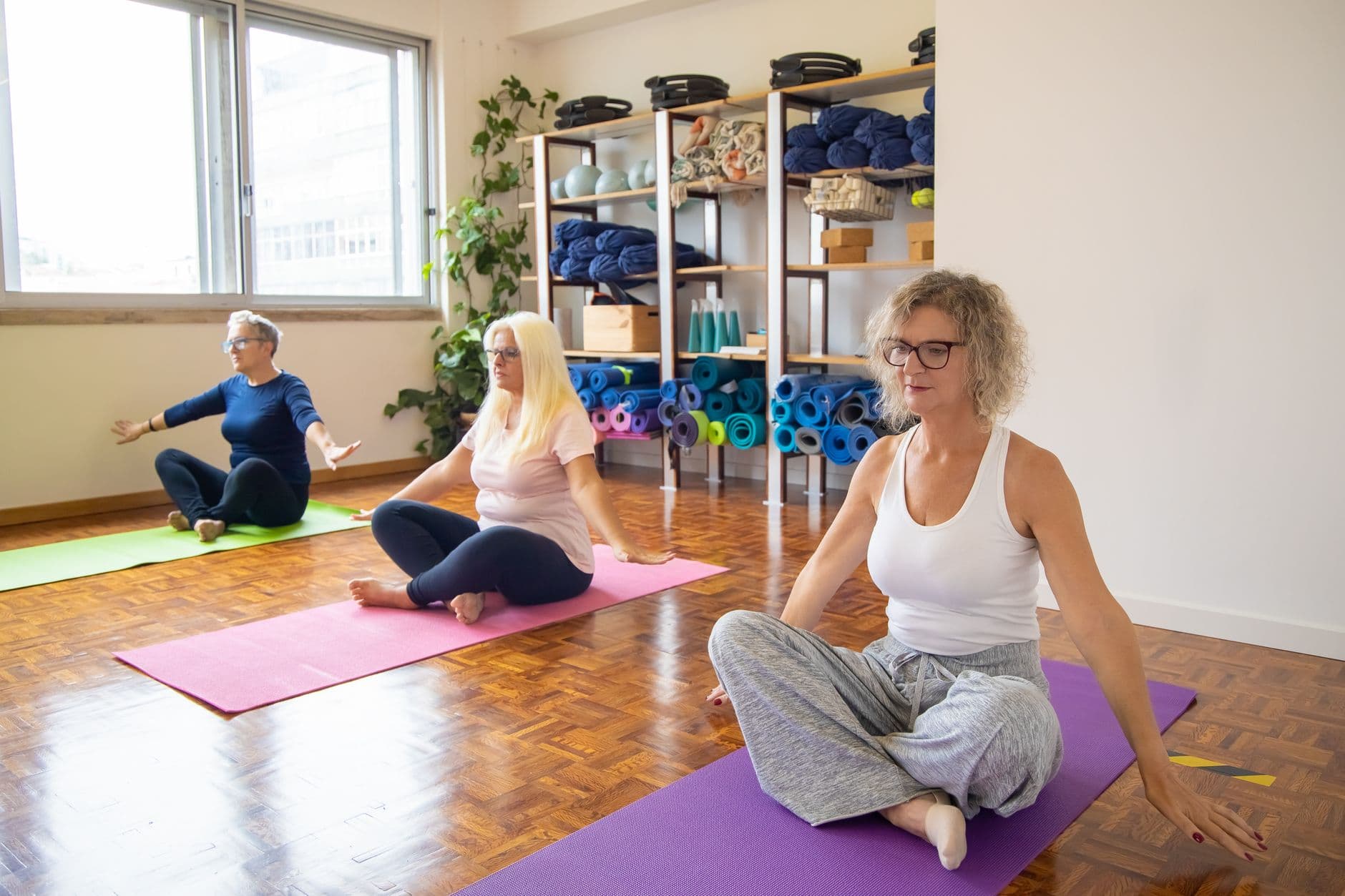
A good class should be able to answer these without hesitation:
- How do you modify for high blood pressure, diabetes, kidney disease or recent surgery?
- Can I use a chair, wall or blocks without falling behind?
- What should I tell you before class if I take medication or have had a procedure?
- If a pose is uncomfortable, what is the safer option instead?
If those answers are vague, the class is not really personalized, no matter how calm the playlist sounds. Des Raj’s point is bigger than technique: yoga works best when the teacher sees the student in front of them, not the pose in the handbook. That is the standard worth carrying into the next room you practice in.
This article was produced by Prism’s automated news system from verified source data, official records, and press releases, then run through automated quality and moderation checks before publishing. The system is built and supervised by the people who set the standards it runs under. Read our full AI policy.
Did this article answer your question?