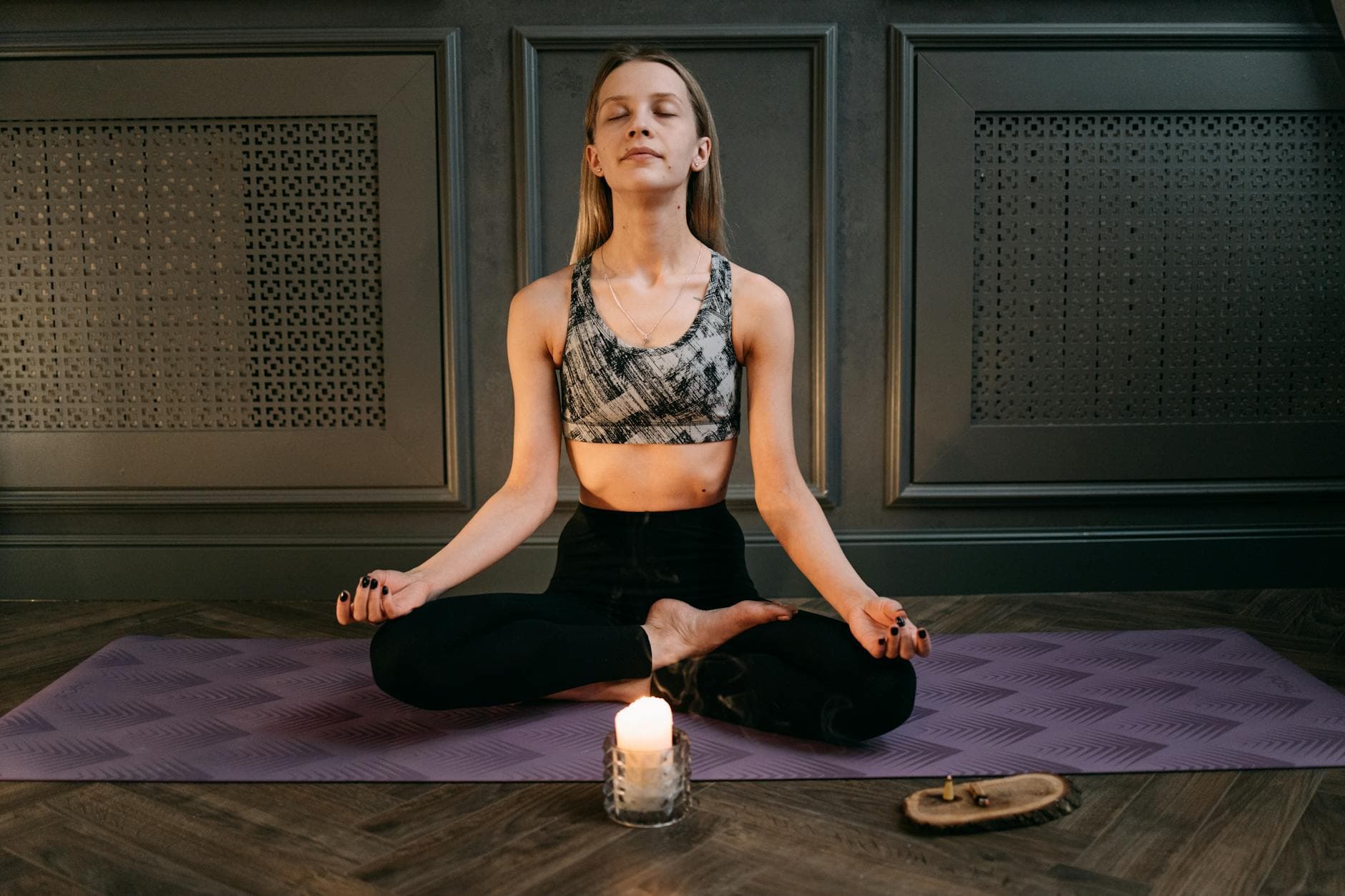
Yoga teachers rethink do what feels good cueing in class
“Do what feels good” can sound kind, but in class it can quietly keep students out of the work they actually need.
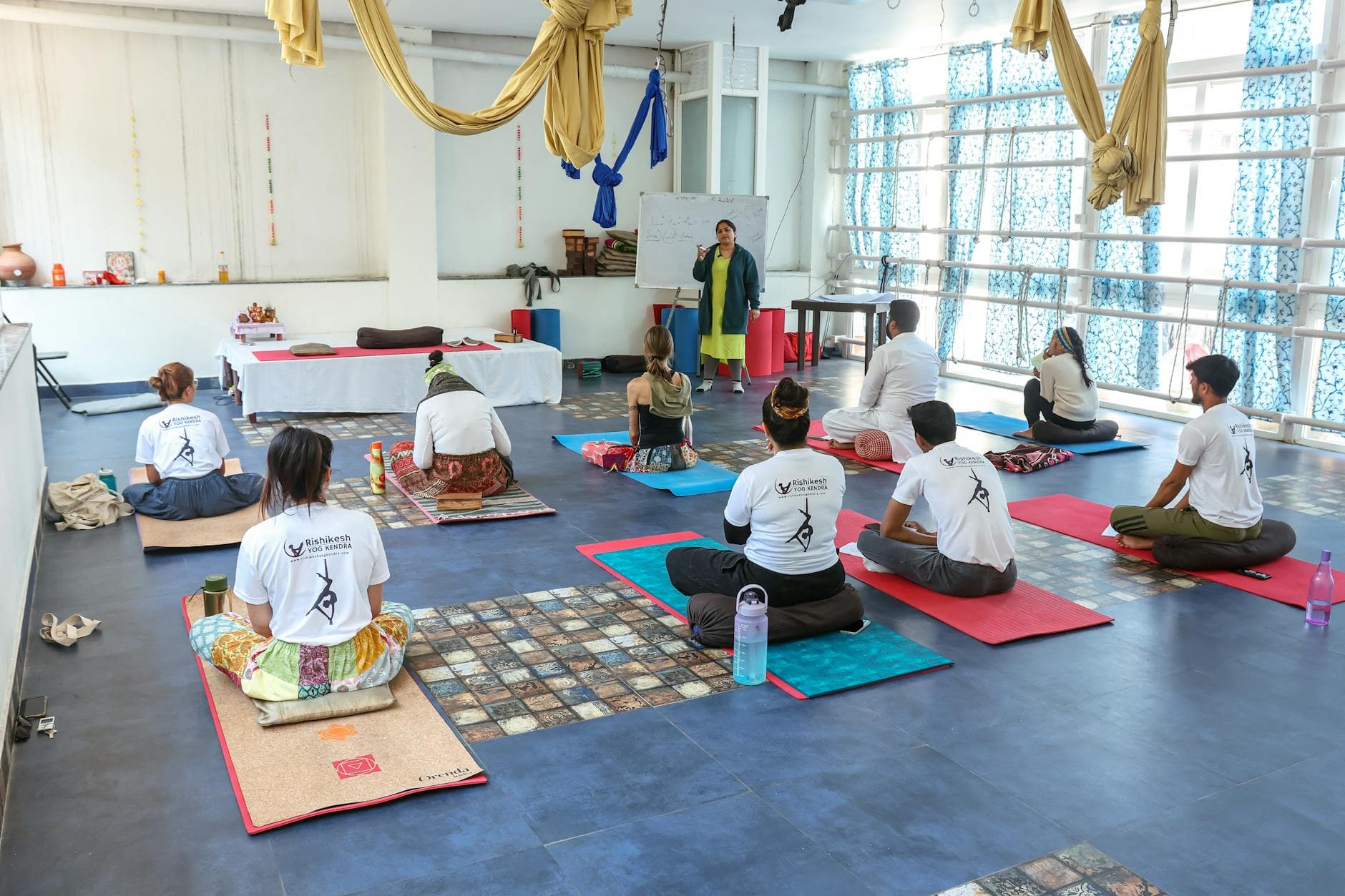
Why this cue is getting rethought
The problem with “do what feels good” is that it sounds generous right up until it becomes a shortcut. In a room full of different bodies, that phrase can feel like permission, but it can also give students an easy out, especially when the more useful choice is the one that asks for effort, refinement, or a little discomfort.
Yoga Journal’s recent teaching reflection lands in a very practical place: the author says they used the cue because it seemed inclusive, then noticed it had started to function as a fallback when they were not sure what else to say. That shift matters because it shows how a phrase can move from thoughtful to vague without anybody intending harm.
The personal detail that sharpens the argument is the author’s recovery from a back injury. When you are rehabbing, what feels good in the moment is often the thing that keeps you inside familiar patterns instead of moving you toward strengthening or healing. That is the trap this piece names plainly: comfort is not always the same thing as usefulness.
Why it sounds inclusive, and why it can still limit people
At its best, “do what feels good” is trying to avoid a one-size-fits-all class. It signals that students can make choices, respect pain, and work from their own edge rather than from the teacher’s ego. That instinct is worth keeping.
But broad language can flatten the actual job of teaching. If the cue is all students hear, they may interpret it as permission to stay with whatever is easiest, most familiar, or least revealing. In a vinyasa class, that can mean collapsing into the version of a pose that asks nothing of them, even when a more specific option would build awareness, mobility, or strength.
This is why the cue can become counterproductive in a room with mixed needs. The beginner who is anxious, the student returning from injury, and the regular who uses class to coast all hear the same phrase, but they need very different guidance. Precision is what turns a class from friendly background movement into actual teaching.
What to say instead when you want choice without vagueness
If you want students to keep agency, name the choice and the reason for it. The goal is not to boss people around, it is to make the next decision clearer.
- “Choose the variation that lets you stay stable and attentive.”
Try language like this:
- “If you have room, explore a little more range here, but keep the shape clean.”
- “Stay with the version that helps you feel the work, not just the one that disappears.”
- “If your back is tender, keep the movement smaller and prioritize length over depth.”
Those cues do more than sound nice. They tell students what to notice, what to protect, and what the pose is actually training. That is the difference between encouraging autonomy and leaving people to improvise without enough information.
What this looks like in a real class
Picture a student who is coming back after a back injury. If you say “do what feels good,” they may choose the most comfortable version of every shape, which often means avoiding the very engagement that helps them rebuild confidence and support. A more useful cue would point them toward a manageable dose of challenge, something like staying in a smaller range, keeping the spine long, or choosing a version that wakes up the work without aggravating symptoms.
The same issue shows up with stronger, experienced students. They may use the vague cue to stay in the familiar groove, especially if the class is moving quickly and the teacher is not offering much detail. Specific instruction gives those students somewhere to go: a clearer line of action, a reason to stay present, and a reason not to tune out.
Yoga Journal’s broader language work reinforces that point. In another teaching-language piece, the publication argues that words can help students feel they belong, or make them feel excluded. That is the real stakes level here. Cueing is not just about sounding welcoming; it is about creating the conditions for learning.
Why this matters now
Yoga is not a niche corner of wellness anymore. The Yoga Alliance and Yoga Journal 2016 Yoga in America Study reported more than 36 million U.S. practitioners, up from 20.4 million in 2012, with annual spending reaching $16 billion on classes, clothing, equipment, and accessories. The same study found that 34% of Americans said they were somewhat or very likely to practice yoga in the next 12 months, which was more than 80 million people.
The CDC’s 2022 National Health Interview Survey data shows how mainstream the practice has become. The report found that 16.9% of U.S. adults practiced yoga in the past 12 months, with the highest participation among women, adults ages 18 to 44, Asian adults, and higher-income households. Among adults who practiced yoga, 80.0% did it to restore overall health, 57.4% incorporated meditation, and 28.8% used yoga to treat or manage pain.
That mix of motivations explains why vague cueing is not enough. People are arriving with stress, injuries, pain, and specific goals, not just a desire to move. A class built around “whatever feels good” may sound permissive, but it does not always serve the student who is trying to heal, focus, or change a pattern.
A better teaching habit to build this week
The simplest fix is to replace the reflex with a question: what do I want this cue to do? If the answer is “give space,” say that clearly. If the answer is “invite exploration,” name the exploration. If the answer is “help students avoid flaring up an injury,” say that too.
That is the heart of the shift Yoga Journal is pointing toward. Inclusive teaching is not about removing guidance, it is about giving the right kind of guidance at the right moment. In practice, that means retiring the lazy version of “do what feels good” and replacing it with language that helps students stay honest about comfort, challenge, and the work the pose is actually asking for.
Know something we missed? Have a correction or additional information?
Submit a Tip