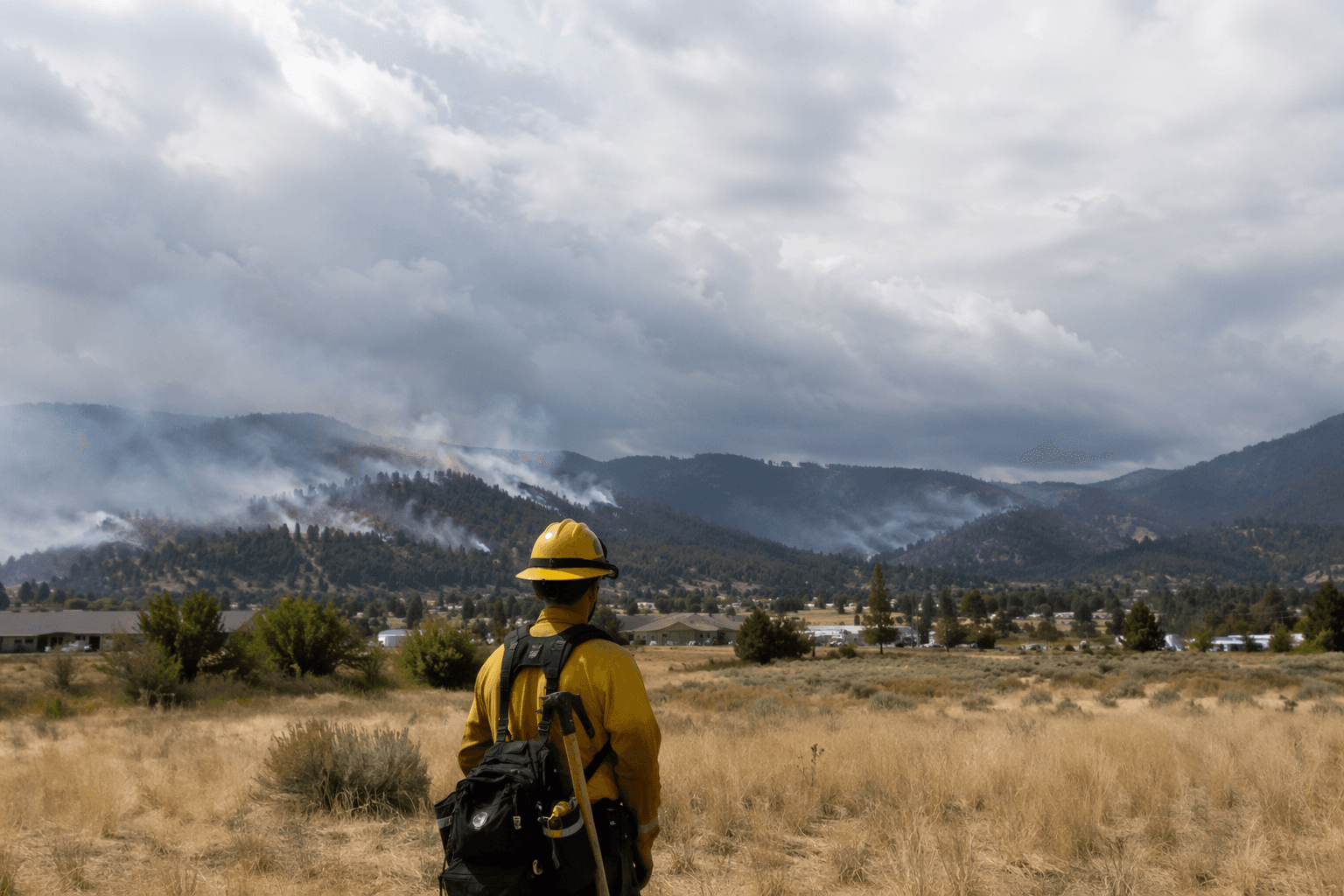
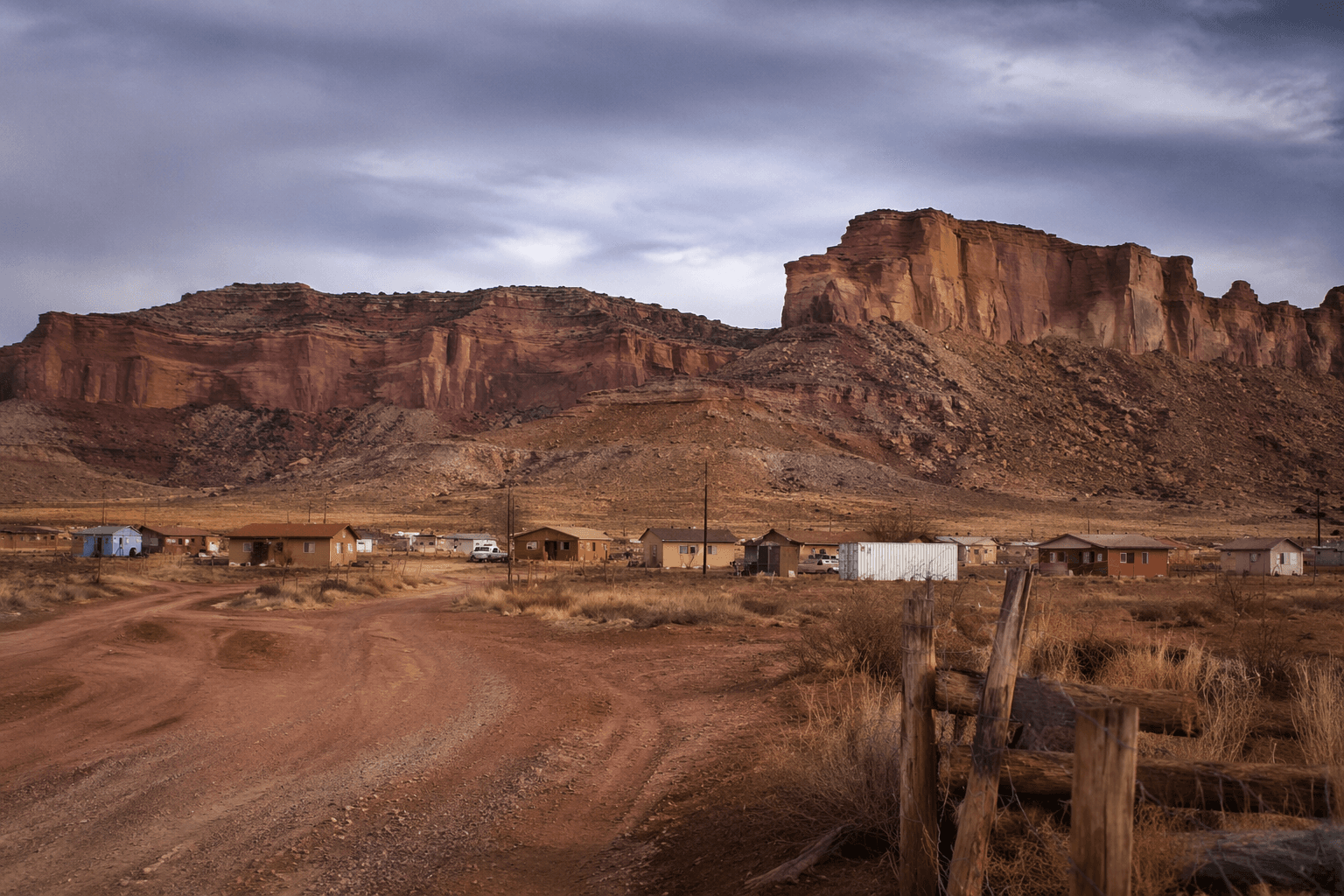
Tó Hajiileehé Residents Say Delayed Police Response Leaves Communities at Risk
Tó Hajiileehé families say slow, inconsistent police response has driven some to consider "leaving Gallup" and they demand concrete timelines and more officers to protect remote neighborhoods.
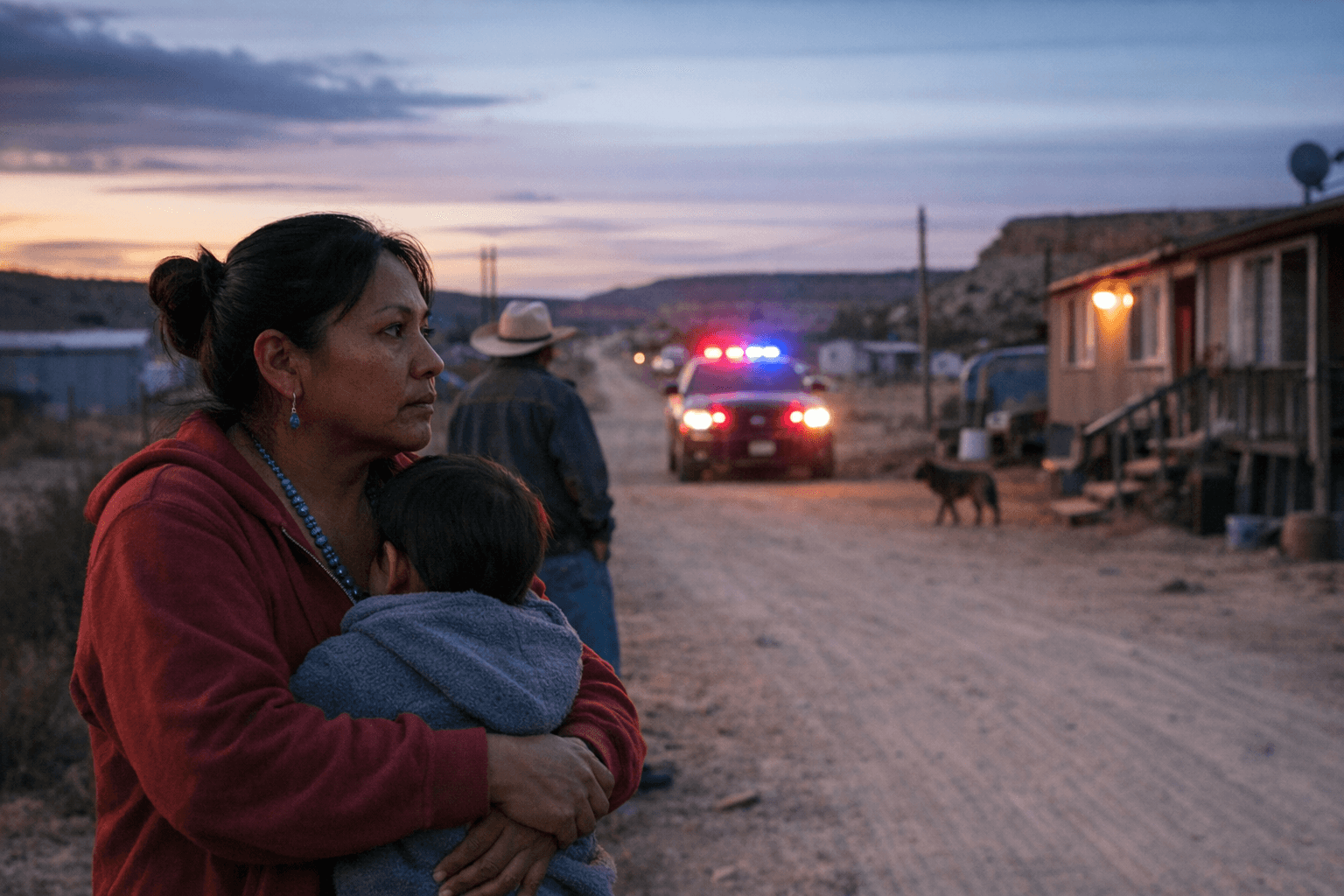
Delayed law-enforcement responses have residents of Tó Hajiileehé warning that families are at daily risk from violent incidents and prolonged searches, with some community members saying they are "leaving Gallup" if response times do not improve. Neighbors at a Friday-evening school meeting said slow or inconsistent arrival of officers has amplified fear after recent critical incidents and left relatives waiting for definitive action.
The meeting on April 9, 2026 brought federal, state and tribal officials to a local school where a resident identified only as Castillo addressed the gathering, describing episodes that residents say were worsened by delayed dispatch and limited on-scene resources. Attendees raised a missing-teen episode that briefly drew the community’s attention: the youth was later found, but residents said the initially slow response exposed gaps in how remote calls are triaged and routed.
The risk environment has been punctuated by a March 6, 2026 attack on responding officers: federal prosecutors say Russell Secatero, 29, shot and injured two Navajo Nation Police Department officers during a response to reports of gunfire near a To’hajiilee residence, and the U.S. Attorney’s Office for the District of New Mexico announced federal charges. Local media and law enforcement accounts show New Mexico State Police and other agencies were involved in the aftermath, underscoring the stakes community members described at the school meeting.
Policy makers have already begun to frame responses: U.S. Rep. Gabe Vasquez convened a To’hajiilee safety forum on April 6, 2026 where staffing shortages and long emergency response times were discussed, and he highlighted two legislative priorities, the Parity for Tribal Law Enforcement Act and the Indian Programs Advance Appropriations Act. That forum cited a national tribal public safety and justice appropriation of $570 million for the fiscal year, described as a $14.5 million increase over the prior year.
Institutional fixes exist on paper but remain operational questions: a formal law-enforcement agreement with the Arizona Department of Public Safety defines cooperative powers and aims for "orderly and effective" enforcement across the Arizona portion of the Navajo Nation, and the compact language includes provisions described as "mutual aid law enforcement certification." Navajo Nation Council public-review documents from Jan. 16 and Feb. 2, 2026 show recent movement toward Arizona mutual-aid frameworks and intergovernmental agreements intended to clarify cross-jurisdiction response.
Staffing shortfalls help explain persistent delays: a June 3, 2021 assessment found the Navajo Nation Police Department needed 775 officers while having "less than 200" on the force at that time, and consultants recommended an initial staffing target of 500, including 300 patrol officers. Residents and officials at the April gatherings pressed for specific fixes: better dispatch coordination, more locally assigned sworn officers, improved radio and cellular coverage, and measurable timelines and commitments rather than reassurances.
For Apache County communities from Chinle to St. Johns, Eagar and Springerville, the Tó Hajiileehé testimony is a warning about overlapping jurisdictional "plumbing" and responder capacity; the Apache County Sheriff’s Office notes jurisdictional complexity where Navajo Nation boundaries overlap county responsibility. Community leaders say next steps should include formal after-action reviews, requests for additional federal and state resources, and binding mutual-aid protocols with enforceable staffing and response-time targets to ensure residents are not left waiting for help.
This article was produced by Prism’s automated news system from verified source data, official records, and press releases, then run through automated quality and moderation checks before publishing. The system is built and supervised by the people who set the standards it runs under. Read our full AI policy.
Did this article answer your question?