Theravada monks' 2,300-mile Walk for Peace draws thousands
Theravada Buddhist monks have been walking across the U.S. South in a meditative Walk for Peace, drawing large crowds and social media attention.
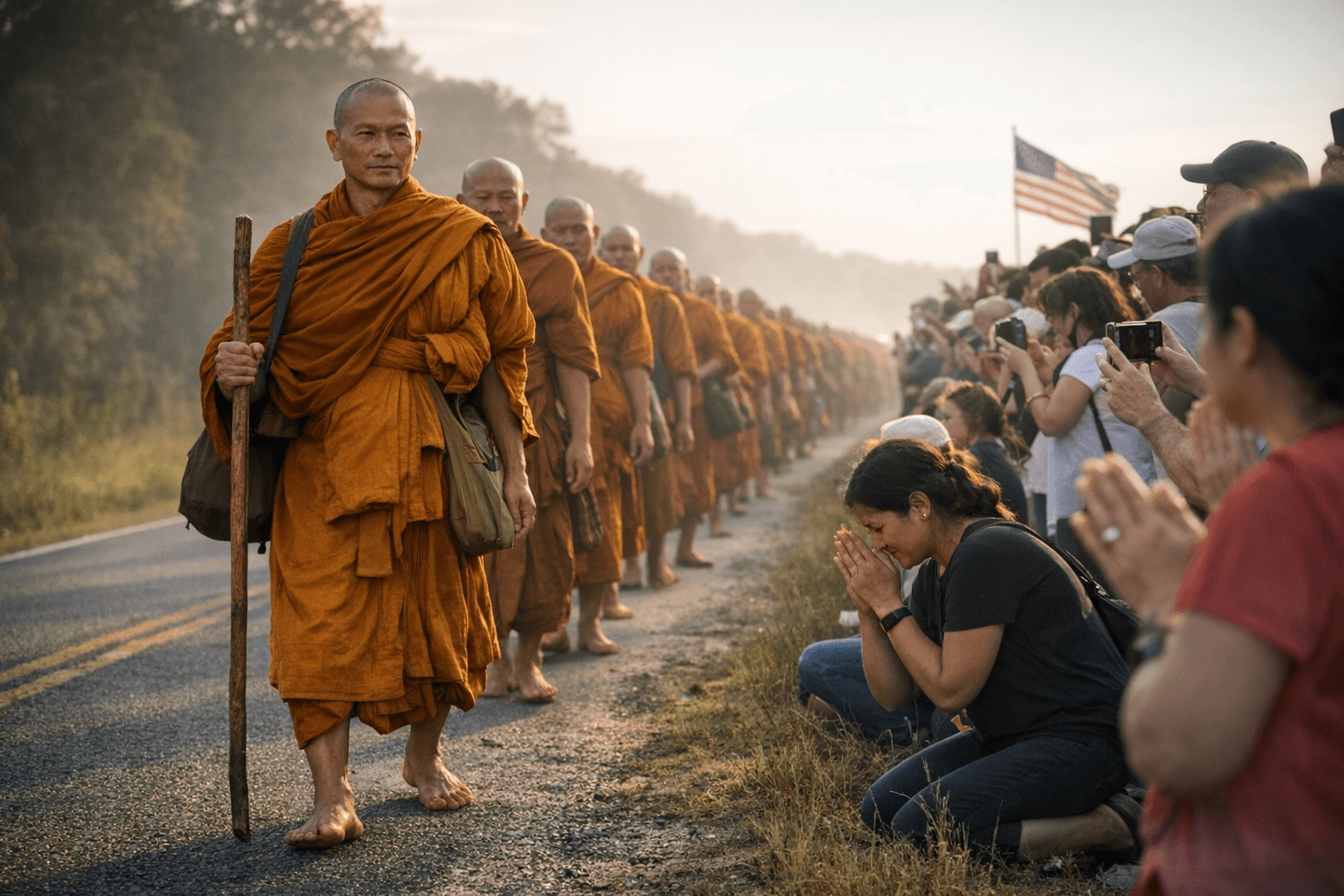
A group of Theravada Buddhist monks and their rescue dog, Aloka, have been walking an unfolding 2,300-mile Walk for Peace across the U.S. South, framing the pilgrimage as a public meditation practice rather than proselytizing. The walk began Oct. 26, 2025 in Texas and is scheduled to conclude in mid-February in Washington, D.C., and it has already drawn tens of thousands of engagements at stops where communities join for chanting, walking and sitting practice.
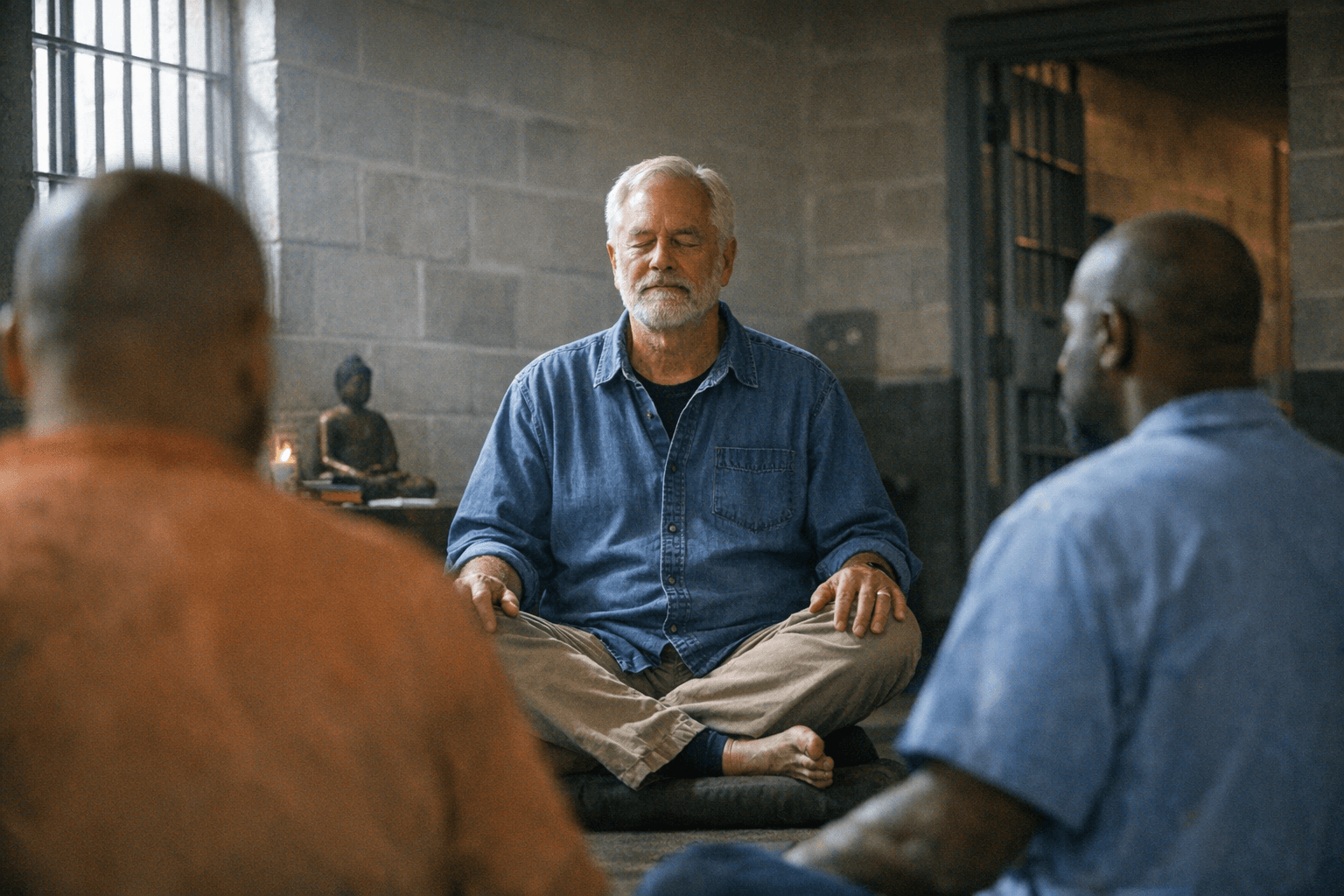
The monks teach and practise Vipassana, with a steady emphasis on observing breath and bodily sensations to witness impermanence and the roots of suffering. At public stops they lead Dharma talks, including sessions titled "Mindfulness is the Source of Happiness", followed by group sitting and walking practice. Those elements have made the trek equal parts pilgrimage and community clinic for practical mindfulness: people arrive anxious, distracted, or curious and leave with a simple breath exercise or a renewed sitting routine.
On-the-ground reporting shows the walk is not without physical strain. Monks have sustained injuries en route and several have done portions of the trek barefoot, signaling a sacrificial element that has resonated with attendees. Social media has amplified the spectacle and the pedagogy, turning neighborhood park gatherings into events that sometimes draw thousands. The visibility has also helped surface a civic aim: the group is seeking formal recognition of Vesak, the Buddha’s birth and enlightenment, as a day of reflection.
For local meditators and groups, the walk has practical value beyond spectacle. It has offered drop-in access to guided sitting practice, accessible introductions to Vipassana technique, and tangible examples of carrying practice into public life. Community organizers have seen new interest in weekly sitting groups and neighborhood walking meditation, and individuals report starting shorter daily sits inspired by the monks’ approach. The combination of chanting, short talks, and shared practice makes participation a low-friction way to test mindfulness commitments without a long retreat.
The walk’s communal tone, nonproselytizing, discipline-forward, and visibly compassionate, accompanied by Aloka, has helped normalize public expressions of contemplative practice in towns that had few formal Buddhist centers. That normalization, organizers hope, will translate into more local offerings and official recognition for contemplative holidays.
The takeaway? Step by step practice can reshape a community’s rhythm. If you want to connect, check local stop schedules, show up for a short sitting or walking practice, and try the breath-work they teach. Our two cents? Take the single breath they invite you to watch; you might find a lasting anchor for the next step.
Know something we missed? Have a correction or additional information?
Submit a Tip