Bruce Edwards says CrossFit set the standard, returns to build more
Bruce Edwards returns as CEO with a familiar pitch: CrossFit already set the standard, but its next test is whether that standard can still grow.
Bruce Edwards is coming back to CrossFit with a message that reaches well beyond a routine leadership change. His case is that the company does not need to rediscover itself so much as prove that the model it built still has room to expand, still deserves to be judged as the standard, and still matters to the people who train under it every day.
A return built on lived experience
Edwards is not stepping in as an outsider trying to decode a brand from the outside. CrossFit says he has been part of the community since its earliest days, and his own account of the methodology begins with personal change: he says it helped reshape his health and outlook when he was overweight and dealing with poor blood values. That matters because his return is grounded in experience, not branding language.
CrossFit says Edwards’ first official day as CEO is May 4, 2026, and that he has seen the organization from nearly every angle, including early adopter, longtime athlete, affiliate owner, coach, and executive. The company also says he served as chief operating officer from 2013 to 2019, a stretch that put him inside a period of major worldwide growth in affiliation and participation. In other words, Edwards is not arriving to learn the ecosystem. He is coming back to steer it.
Why he frames CrossFit as the standard
The heart of Edwards’ argument is bigger than one job. He says CrossFit is not just one option in a crowded fitness market, but the standard other approaches are measured against. He goes a step further in framing the methodology as the thing that built the industry, not merely influenced it.
That view rests on the company’s own definition of the method: constantly varied functional movement executed at high intensity, paired with sound nutrition. CrossFit says the goal is increased work capacity across broad time and modal domains, which is a technical way of saying the system is designed to make people more capable in more settings, not just better at one isolated test. Edwards’ point is that the combination of movement, intensity, coaching, and community has held up for decades because it produces durable results.

What not done means in practice
Edwards’ strongest message is that he is not returning to figure out what CrossFit is. He is returning to work on what it can continue to be. That distinction is important because it suggests continuity with the core methodology while leaving room for growth in how the brand is taught, explained, and distributed.
In practical terms, that means the next chapter will be judged less by nostalgia than by execution. Affiliates need to feel supported, coaches need clearer ways to teach the method, and participation has to keep expanding beyond the already committed base. If CrossFit wants to matter as more than a memory of its most disruptive years, it has to show that its standards can still travel into new communities without losing what made them powerful.
The trust test for affiliates and athletes
The company’s own language points toward a broader challenge: becoming more accessible, more widely understood, and more influential in health and performance. That is a mission statement, but it is also a test. A brand that helped define modern functional fitness now has to prove it can rebuild trust in places where skepticism has grown and keep current affiliates invested in the system.
That question is especially sharp because CrossFit says it has been delivering life-changing results for over 20 years through daily workouts, articles, videos, health tips, podcasts, and more. The promise has always been bigger than the Games floor. For Edwards, the challenge is making sure that promise still feels tangible to the affiliate owner, the coach scaling a class, and the athlete deciding whether CrossFit still belongs in their fitness life.
The Games remain the sport’s measuring stick
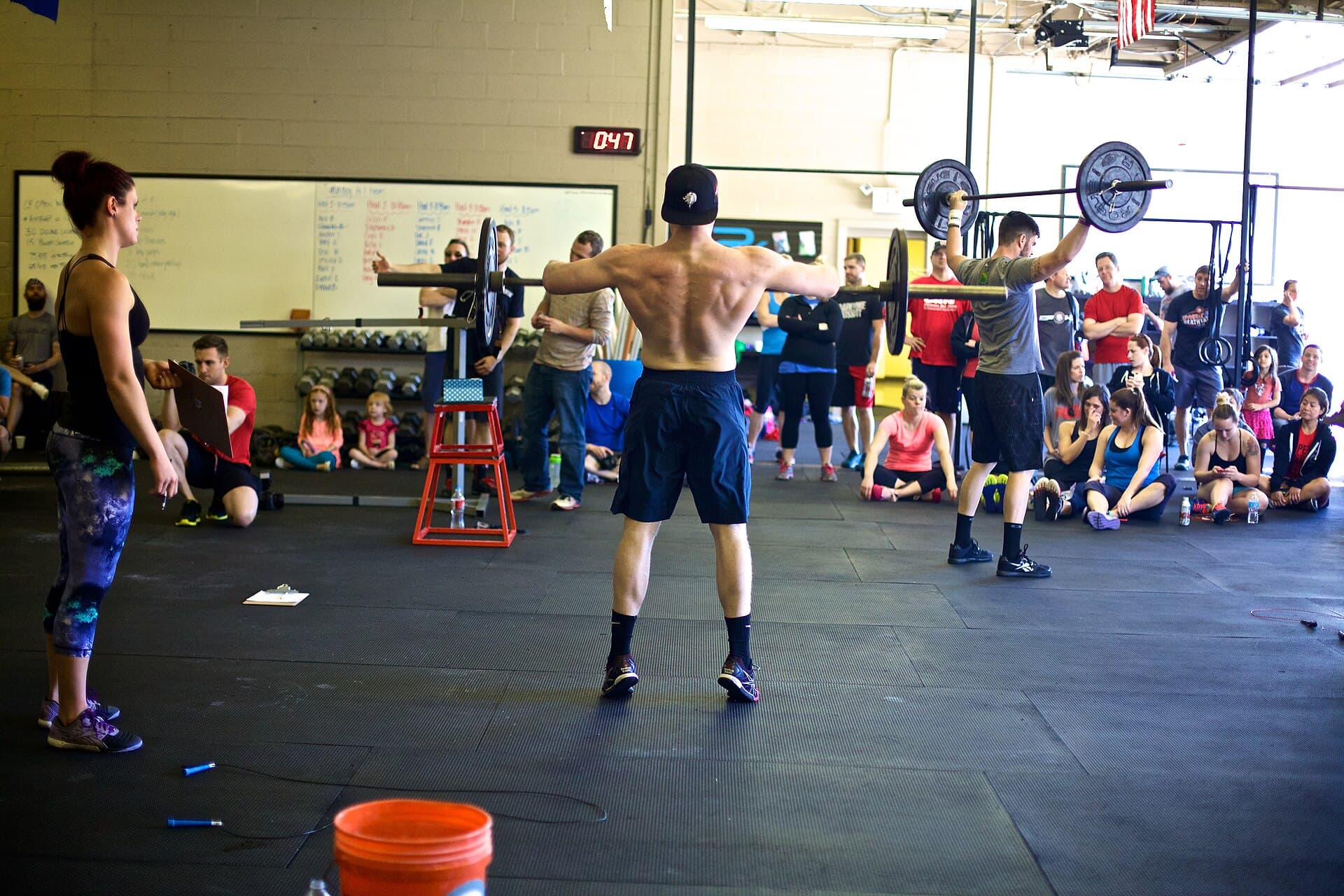
CrossFit’s competition side gives the brand its loudest public stage, and Edwards inherits that as part of the same long-term story. The CrossFit Games began in 2007, and CrossFit says they have evolved each year into a more comprehensive test of fitness. That evolution has helped define CrossFit as both a training method and a sport, with the Games serving as proof that the idea can be stress-tested at the highest level.
The 2026 calendar gives that storyline a visible next checkpoint. CrossFit has announced the 2026 CrossFit Owners and Coaches Conference for July 22-23 in San Jose, followed by the 2026 CrossFit Games from July 24-26 at SAP Center in San Jose. Those dates turn Edwards’ return into more than a personnel move. They create a runway where the company can show whether its coaching, its affiliates, and its sport all still point in the same direction.
A leadership change inside a wider transition
Edwards is also taking over at a moment when CrossFit is managing corporate change, not just athletic ambition. CrossFit said in 2024 that Berkshire Partners invested in the company in 2020 and that it was seeking a new owner for its next phase of growth. That context matters because a CEO search, an ownership transition, and a brand identity question are all intersecting at once.
So the real question is not whether Edwards knows CrossFit. He clearly does. The question is whether the company can turn its legacy into reach, its methodology into broader understanding, and its hard-won credibility into another growth phase. For a brand that helped define modern fitness, the next chapter is about proving that the standard it set can still be the one people build around.
Know something we missed? Have a correction or additional information?
Submit a Tip