CrossFit Level 1 teaches coaching, leadership, and empathy beyond basics
The Level 1 is less a checkbox than a coaching laboratory: it rewires how you see movement, speak to athletes, and lead a room.

The Level 1 is where coaching starts getting real
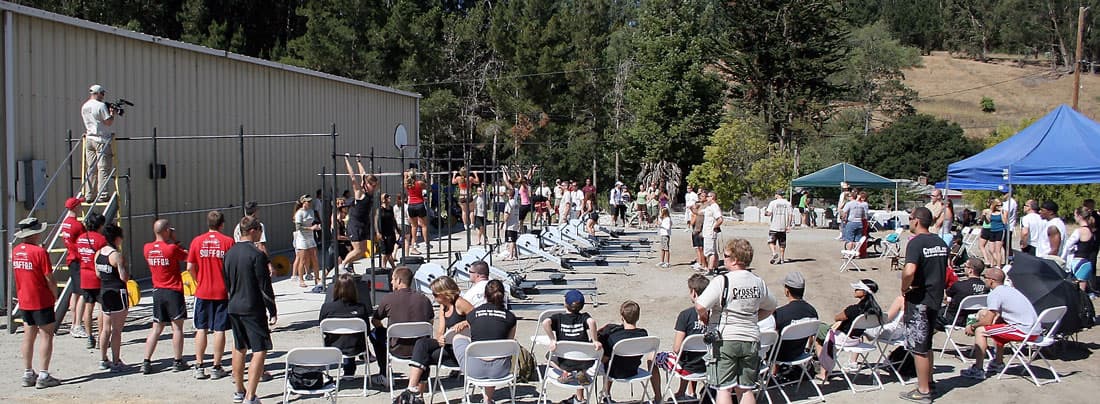
The CrossFit Level 1 Certificate Course is not just a box to check on the way to a credential. It is a two-day reset for the way you see movement, hear coaching cues, and understand what good leadership looks like when the room is moving fast. CrossFit says the course brings beginners, athletes, and aspiring coaches into the same space for classroom instruction, small-group training sessions, and coach-led workouts, and that mix is exactly why it hits harder than people expect.
The surface lesson is obvious enough: you learn the methodology, the foundational movements, programming, and nutrition strategies that sit under the CrossFit model. But the deeper lesson is harder to copy from a manual. By the time the course is over, plenty of people stop looking at a squat, deadlift, or pull-up as just a rep and start seeing errors, patterns, and coaching opportunities. That shift is the real product.
What the course actually teaches
CrossFit frames the Level 1 around a clear classroom curriculum. Participants are taught CrossFit’s concepts and methodology, its foundational movements, programming to optimize training results, and nutrition strategies to support fitness. That matters because the course is not built as a trivia test about the brand. It is built to give you a framework for making athletes better.
The company also says the Level 1 is the entry point to its broader credentialing system, which tells you how central this weekend really is. Since 2008, more than 300,000 athletes have taken the course, a number that makes one thing plain: this is not a niche seminar for future staffers only. It is one of the main ways CrossFit teaches its method at scale.
That scale is also why the basics matter. If you only memorize terms, you miss the point. The course is designed to make you understand why movement quality, coaching priorities, and method all connect. In practice, that means the Level 1 is less about collecting facts and more about building a coach’s eye.
The hidden value is in the room, not just the slides
The most useful part of the Level 1 often happens between the formal lessons. That is where participants watch seminar staff manage a room full of athletes at different skill levels, spot who is struggling in the back, and change a cue when the first explanation does not land. That live correction work is not decorative. It is the core of how good coaching actually functions under pressure.
This is where the Level 1 stops feeling like a weekend course and starts feeling like a field study. You see how one explanation reaches one athlete and misses another. You see how a coach can stay firm without becoming theatrical. You see how the same movement can require different language depending on who is in front of you.
That is why the course is so valuable for aspiring coaches. You are not just learning what to say. You are learning when to say it, how to read the room, and how to adjust without losing authority. That is the gap between knowing the basics and leading a class.
CrossFit’s coaching model is built on six criteria
CrossFit’s own framework makes the teaching side even more specific. The company identifies six criteria of effective training: teaching, seeing, correcting, group management, presence and attitude, and demonstration. That list is doing a lot of work, and it explains why the Level 1 is not just about exercise selection.
The first three criteria, teaching, seeing, and correcting, define the coach’s technical eye. You need to know what correct movement looks like, identify where an athlete is breaking down, and deliver a correction that actually changes the rep. The last three, group management, presence and attitude, and demonstration, tell you that coaching is also performance, leadership, and room control.
That blend is what surprises people. They come in expecting instruction on movements and methodology. They leave having watched a staff member run a class with a standard that is demanding but not humiliating. The result is a style of leadership that pushes hard while keeping athletes engaged in getting better.
The Red Shirts show how standards and respect coexist
CrossFit Seminar Staff, nicknamed the “Red Shirts,” are the people who make that model tangible. CrossFit says these trainers are specially recruited, selected, and developed for exceptionalism in the hard and soft skills of coaching. That phrase matters because it draws a line between physical knowledge and interpersonal skill. You need both.
The instructor requirements back that up. CrossFit says Level 1 instructors must have passed the Level 1 test, hold a current Level 2 credential, and have worked at or owned a licensed CrossFit affiliate for at least one year. In other words, the people teaching the course are expected to have real coaching experience, not just classroom familiarity.
That is part of why the seminar environment lands the way it does. The staff hold the line on good movement, but they do it in a way that keeps people inside the process rather than shaming them out of it. For anyone hoping to coach, that is a bigger lesson than any lecture slide.
Why the training guide still matters
The Level 1 Training Guide gives the course a deeper backbone than its two-day format suggests. CrossFit says the guide is a collection of CrossFit Journal articles written since 2002, primarily by founder Greg Glassman. That history matters because it shows the course is not an isolated product. It is built on a long-running body of thinking about training, movement, and methodology.
That lineage helps explain why the course can feel so concentrated. It is not trying to reinvent the wheel each weekend. It is translating a long-developed coaching philosophy into a format people can absorb, test, and apply. For a participant, that means the weekend is not the end of the education. It is the doorway into the system.
The test changed, and that matters too
CrossFit says that effective April 1, 2025, the Level 1 test is administered online after the course instead of on-site at the end of day two. That is a meaningful procedural change because it separates the learning experience from the immediate pressure of a same-weekend exam.
The shift does not reduce the importance of the course. If anything, it reinforces the idea that the real value lives in the teaching, the observation, and the coaching reps you watch and practice across the two days. The test is still part of the process, but it is no longer the defining moment of the weekend.
CrossFit also offers an Online Level 1 for people who want introductory instruction without traveling. That expands access, but it does not replace the in-person version. The flagship experience remains the live course, where coaching is not just explained but demonstrated in front of you.
Why this course changes more than credentials
The strongest argument for the Level 1 is that it reshapes how you think about helping other people get better. It teaches communication, empathy, and correction under pressure without calling them soft skills in the dismissive sense. In a CrossFit room, those skills are the job.
That is the reality check for aspiring coaches. The Level 1 is not merely a weekend credential. It is a crash course in seeing movement faults earlier, cueing more precisely, and leading with a standard that is firm, respectful, and repeatable. If CrossFit is serious about teaching people to move better, this is where that lesson begins, and why it still matters.
This article was produced by Prism’s automated news system from verified source data, official records, and press releases, then run through automated quality and moderation checks before publishing. The system is built and supervised by the people who set the standards it runs under. Read our full AI policy.
Did this article answer your question?