Google expands links and creator attribution in AI Overviews
Google added inline links, creator names and subscription labels to AI Overviews, a change that could shift clicks and attribution in Search.

Google began rolling out five changes to AI Overviews and AI Mode on May 6, 2026, and the update lands squarely in the middle of a problem agencies have been trying to measure for a year: how much traffic, credit and conversion value gets trapped inside Google’s own answer layer. Hema Budaraju, Google’s vice president of product management for Search, said the goal is to help people find relevant websites, deep insights and original content from across the web.
The changes are practical, not cosmetic. Google is adding suggested angles at the end of many AI responses, a move meant to surface unique articles or deeper analyses on different facets of a topic. It is also making news subscriptions easier to reach, so readers can get to content they already trust faster. Publishers that want those subscription links to appear in AI Mode and AI Overviews have to fill out a Google form.
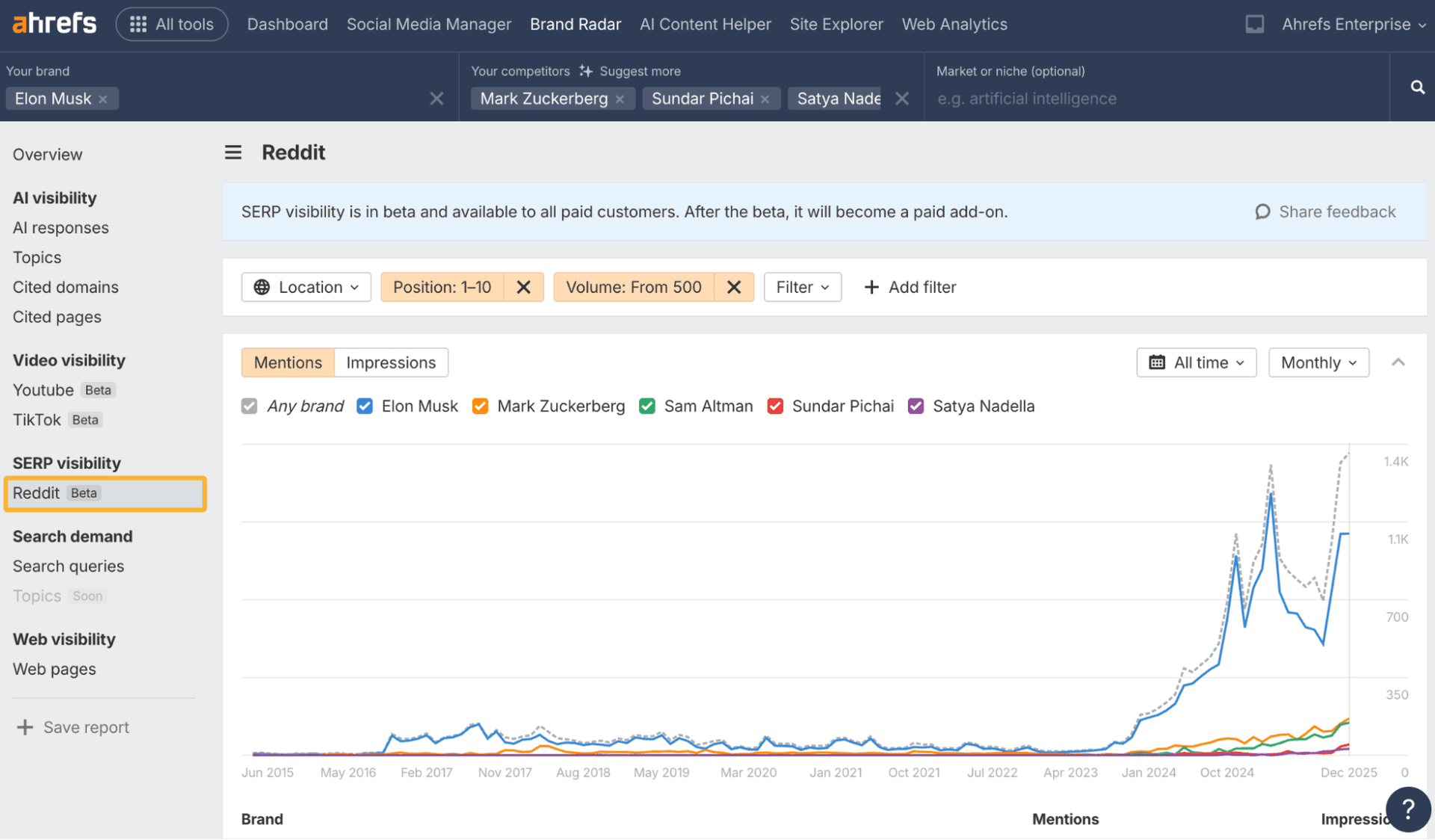
Google is also widening creator attribution for social and community sources. Instead of only showing a site name, the product now shows the creator name, handle and community name, a small shift with bigger implications for authority signals. For agencies, that matters because attribution is becoming more granular. If a Reddit post, a creator thread or a niche community write-up can be labeled more explicitly, then brand monitoring has to look beyond domain-level visibility and into who is actually being surfaced.
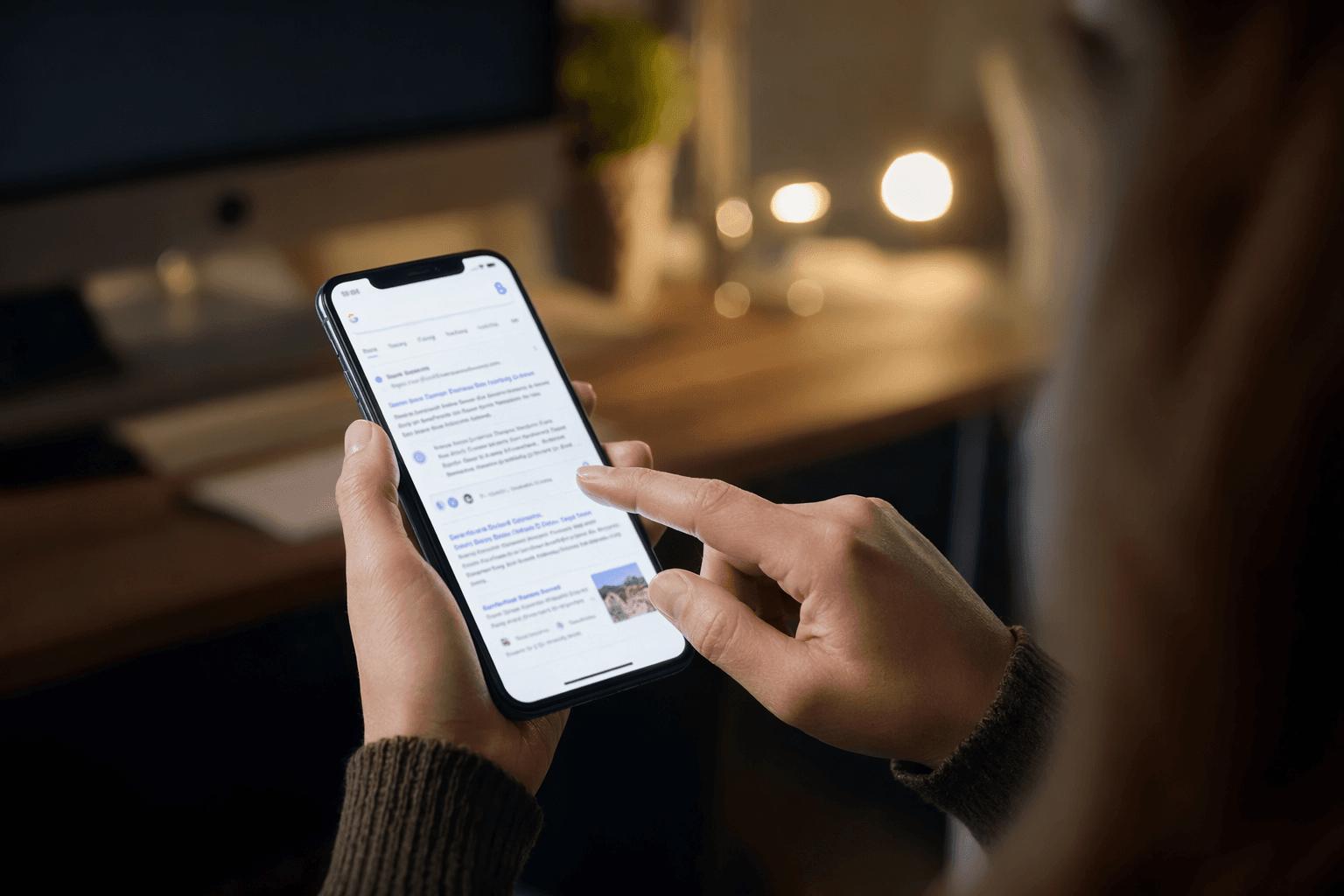
The other two changes push harder toward clickable discovery. Google is placing more links directly beside the relevant text inside AI responses, and on desktop it is adding hover previews for inline links. The company even gave a concrete example of the new “where to go next” behavior with municipal green space research, pointing to a possible stream restoration case study in Seoul and a report on New York’s High Line. In other words, Google is trying to keep users in the AI response while making the exit ramps more obvious.
That shift is happening even as Google keeps warning that AI Overviews are experimental and can make mistakes. Google Search Help says users can switch to the Web filter to see only text-based links without AI Overviews. The product is already big enough to matter, though: Google said AI Overviews reached everyone in the United States in May 2024, expanded to more than 100 countries and territories later that year, and covered more than 200 countries and territories and more than 40 languages by May 2025. Google also said the feature was one of its most successful Search launches of the past decade.

For agencies, the reporting brief just got sharper. Track CTR by query class, watch assisted conversions where a page earns visibility but not the last click, and separate citation frequency from actual traffic delivered. Pew Research Center found in July 2025 that people were less likely to click result links when an AI summary appeared, which is exactly why these new links, labels and creator signals matter so much. Google is not backing away from AI answers. It is making them more link-rich, and the winners will be the pages with clear structure, recognizable authorship and topic depth that Google can confidently expose.
This article was produced by Prism’s automated news system from verified source data, official records, and press releases, then run through automated quality and moderation checks before publishing. The system is built and supervised by the people who set the standards it runs under. Read our full AI policy.
Did this article answer your question?