ChatGPT search turns into an AI discovery channel for brands
ChatGPT is turning into a discovery layer, not just a chatbot. For brands, the fight is now for citations, product cards, and recommendation slots.
From conversational assistant to discovery engine
ChatGPT started as a conversational assistant in November 2022, but OpenAI has steadily turned it into something much closer to a search-and-shopping surface. The big shift is not a single secret ranking tweak; it is a stack of product changes, including web search with linked sources, shopping research, agent mode, structured commerce, and now ads layered beneath some answers.

Search now rewards being cited, not just being correct
The first meaningful change is simple: ChatGPT search now answers with links to relevant web sources, and OpenAI says the feature is available to Free, Plus, Team, Edu, and Enterprise users, including logged-out Free users. That alone changes the game for brands, because visibility is no longer only about being mentioned in a response. It is about being one of the sources ChatGPT pulls into the answer in the first place.
There is also a more technical layer here that matters for anyone trying to influence discovery. OpenAI says search can rewrite a prompt into targeted queries, and it can use memory or location context to make the query more useful. In practice, that means the system is not doing keyword matching the way old-school SEO tools would expect. It is shaping the question before it goes hunting for an answer.
Local intent and shopping intent are now first-class
The second shift is location awareness. OpenAI’s help center says ChatGPT search can produce location-based results and restaurant results, and its documentation shows that a query can be rewritten using an inferred location, such as turning a general restaurant request into a city-specific search. For local brands, that is a real visibility lever, because proximity and relevance can now affect whether you appear at all.
The third shift is shopping research, launched on November 24, 2025. OpenAI describes it as a personalized buyer’s-guide experience that asks clarifying questions, researches deeply across the internet, reviews quality sources, and builds on past conversations and memory to help users decide. That is a much higher-intent environment than a generic Q&A box, and it gives brands a new way to surface in product comparisons rather than just search results.
Product discovery is separate from ads
The fourth shift is the one a lot of marketers will get wrong if they are careless. OpenAI says product results in ChatGPT are selected independently, are not ads, and are not influenced by partnerships. Those results can include product options, imagery, details, and links to merchant sites, which means the visibility prize is recommendation placement, not a sponsored slot dressed up as advice.
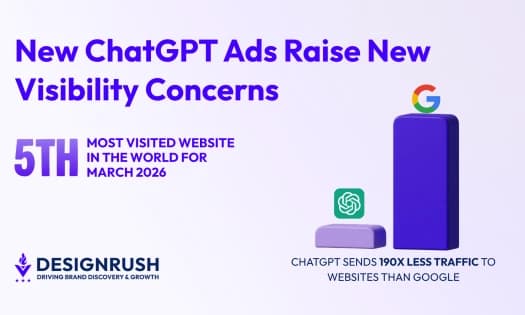
That separation matters because OpenAI has also started testing ads in ChatGPT. On May 7, 2026, the company said ads were being expanded beyond the U.S. and that they would be clearly labeled and separated from the organic answer. OpenAI also said the ads pilot began with logged-in adult users on the Free and Go tiers, while Plus, Pro, Business, Enterprise, and Education users would not see ads. This is monetization, not recommendation ranking, and brands should not confuse the two.
Agent mode pushes ChatGPT closer to action
The fifth shift is agent mode. OpenAI launched ChatGPT agent on July 17, 2025, describing it as a tool that thinks and acts to complete tasks like research and bookings using its own computer. OpenAI says it can research across public websites, work with uploaded files, and carry out actions such as filling out forms and editing spreadsheets, while asking permission before consequential steps.
For discovery, that matters because the funnel is getting shorter. If ChatGPT can research, compare, and act, then the brand that is easiest to understand, verify, and transact with has an edge. This is where clean product pages, straightforward merchant info, and friction-free checkout paths start to matter more than polished copy alone.
ACP is the plumbing brands actually need
The sixth shift is the Agentic Commerce Protocol. OpenAI says ACP is an open standard that serves as the connective layer between merchants and ChatGPT users, and that it lets ChatGPT ingest structured catalog data, understand merchant inventory, and surface relevant products in context. OpenAI’s March 24, 2026 update also says the protocol now supports richer product discovery, including side-by-side comparisons and more visually immersive shopping.
This is the least glamorous part of the story, and probably the most important. If you sell products, the winning move is not trying to outwrite the model. It is making sure catalog feeds, variants, pricing, and inventory are structured well enough for ChatGPT to understand them and trust them. That is the kind of optimization that can actually change recommendation visibility.
Scale makes the channel worth measuring
The seventh shift is scale. OpenAI said in September 2025 that more than 700 million people use ChatGPT each week for everyday tasks, including finding products they love. Once a product has that kind of reach, AI visibility stops being a curiosity and starts looking like a channel that can be tracked, tested, and optimized.
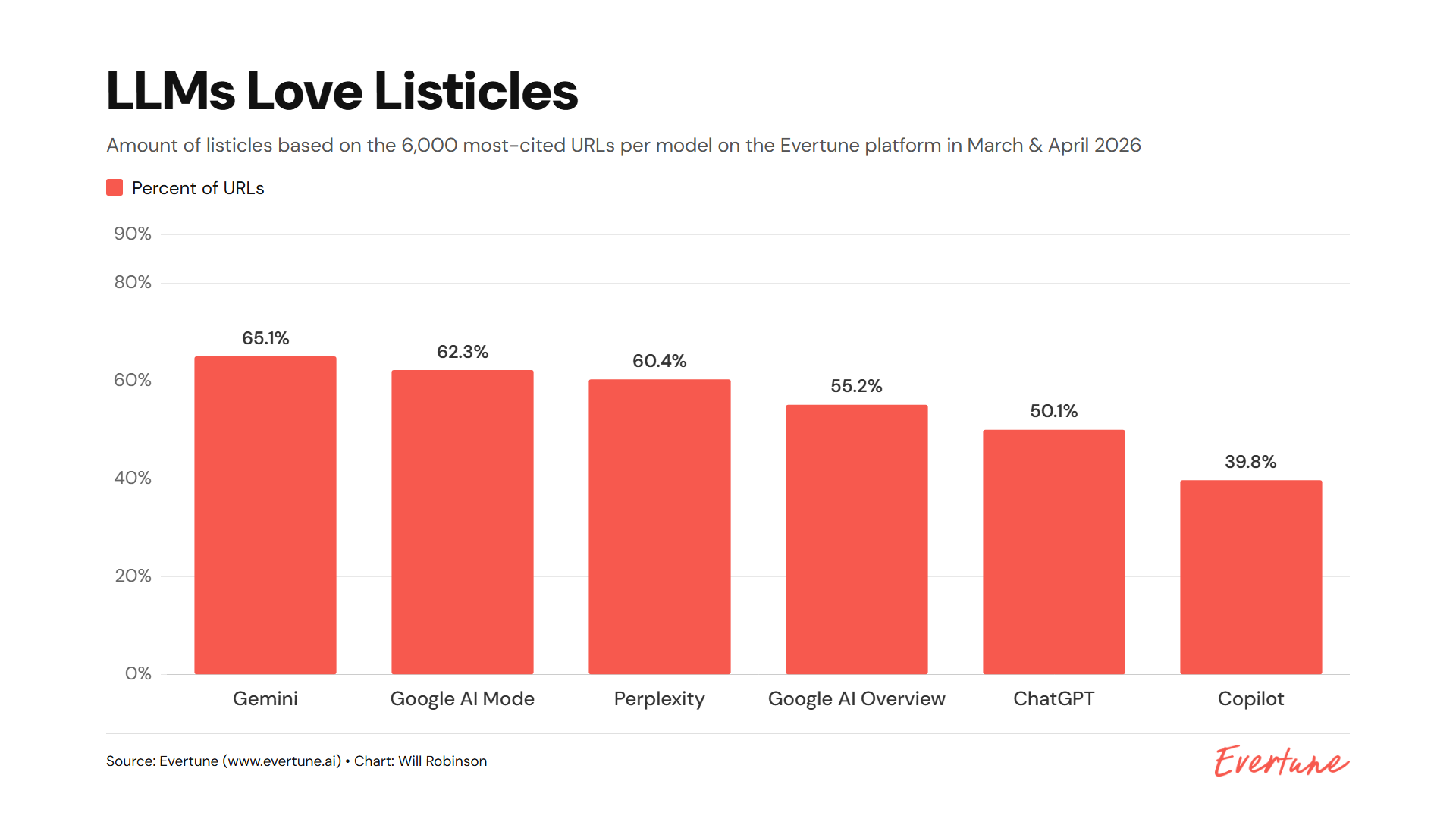
That is why visibility tools are starting to appear. Ahrefs now offers a checker that tracks brand visibility across ChatGPT, Perplexity, Gemini, Copilot, and Google AI Overviews, and BlueJar’s 2026 coverage shows how teams are already monitoring AI citations and mentions across ChatGPT, Perplexity, Google AI Overviews, and Claude. The tooling is still immature, but the direction is obvious: brands are being measured where users ask the question, not just where they land after a click.
The signal versus the guru noise
The eighth and final shift is the one worth keeping your head about. The real signal is not that ChatGPT has some mysterious, static algorithm that can be reverse-engineered once and beaten forever. The real signal is that OpenAI is building a search, shopping, agent, and commerce stack where citations, structured product data, location context, and merchant inventory all influence what users see.
That is the part brands should act on now. If you want better visibility inside ChatGPT, focus on the inputs the platform actually exposes: strong source-worthy content, structured product data, fresh inventory, local relevance, and merchant readiness. The hype says to chase algorithm magic; the evidence says to build for the discovery system OpenAI is plainly constructing.
Know something we missed? Have a correction or additional information?
Submit a Tip